

Unhelpfully, there is no best time of year to travel to Tanzania.
There are better times to see the thunder of hooves charging across the endless plains of the Serengeti – often the dry seasons are when Lake Natron is particularly martian (bright red) – and it’s not a good idea to plan a beach holiday during the Maskia (long rains).
The answer of the question depends on prices, availability, what you plan to do and where you plan to go. A key factor is also the weather, and when you go will depend on whether you’ll see biblical thunderstorms or blisteringly hot sun and sweltering humidity.
We’ve put this post together to provide as much information as we can, for the most popular attractions, and when the best time to visit them.
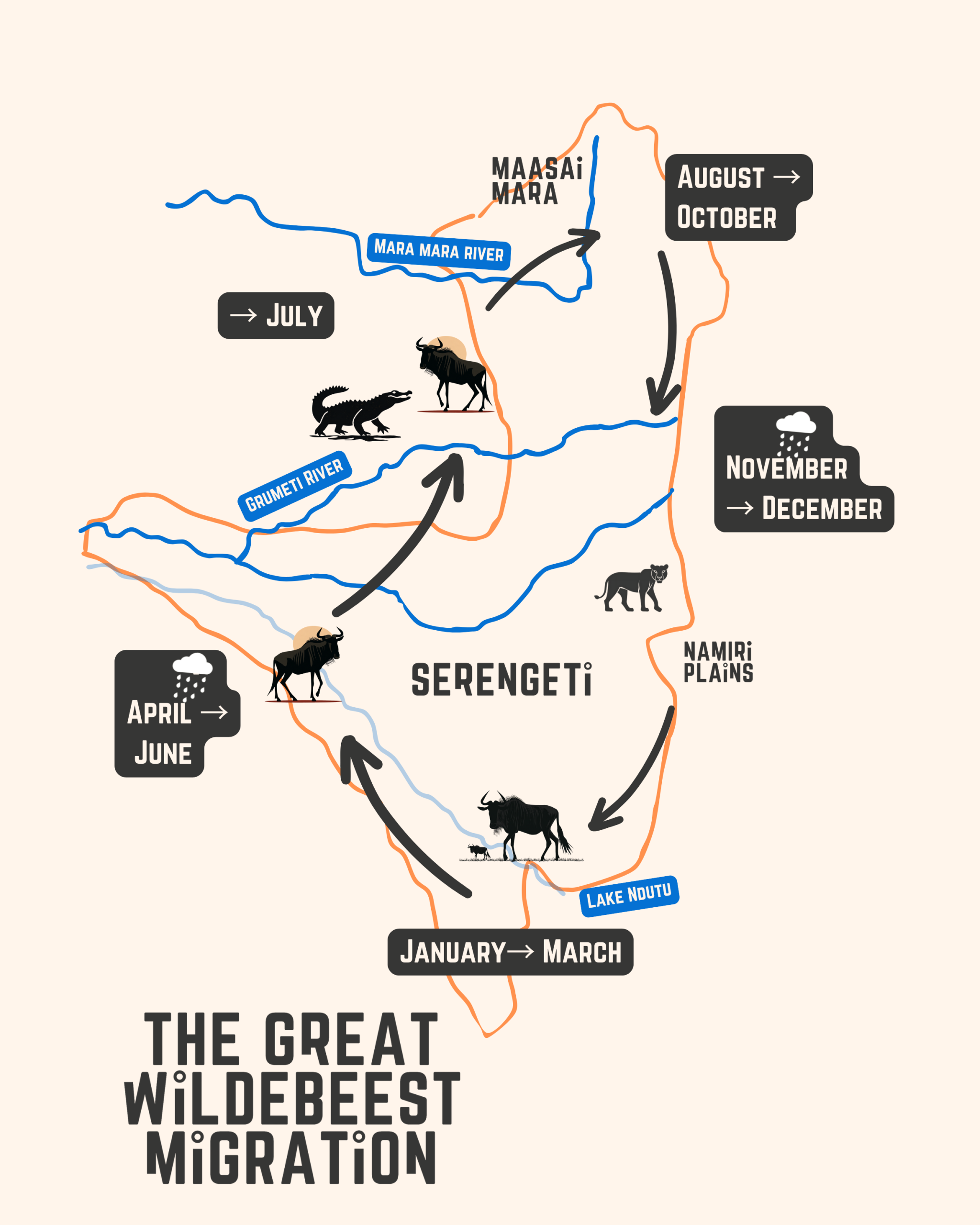
Best time to see the Great Wildebeest Migration.
In the North, the main attraction is the Great Wildebeest Migration, which crosses the Serengeti and southern Kenya over the course of the year.
Ultimately, what is widely considered the best time to see the migration is during the famous Grumeti and Mara River crossings; these take place between June and July, but as late as September. There is, however, a significant drawback to travelling at this time of year: traffic. It can be extremely busy to be on Safari at this time of year, which increases prices and makes the Serengeti look a little like a car park at points.
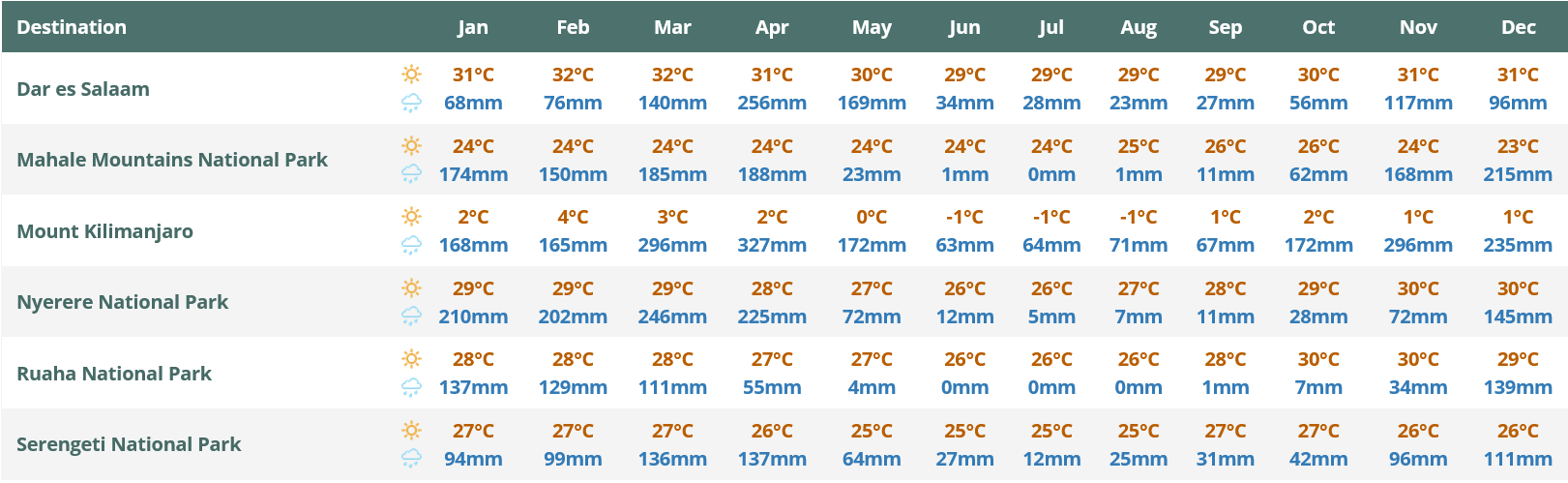
The long rains season are during March, April and May, and the short rains are between November and December; these are both times of the year we suggest avoiding travelling as it can get wet and muddy!
Many of the guides suggest the best time to see the Great Wildebeest Migration is between January and March, when the herds are calving (giving birth to their young). This is a quieter time of year, but may co-inside with holiday traffic.
When are the Rains?
Tanzania has two rainy seasons: Vuli & Maskia.
Vuli is the Swahili name for the “short rains”, which is also known as the “green season”- this usually lasts between November and December.
This time of year is much quieter and often more affordable; the drawback being that there is a chance of rain showers. It’s a fantastic time to watch the migration pass over the Namiri Plains, where cheetahs are known to roam; however, with it comes the risk of rain, mud and the chance of getting stuck.
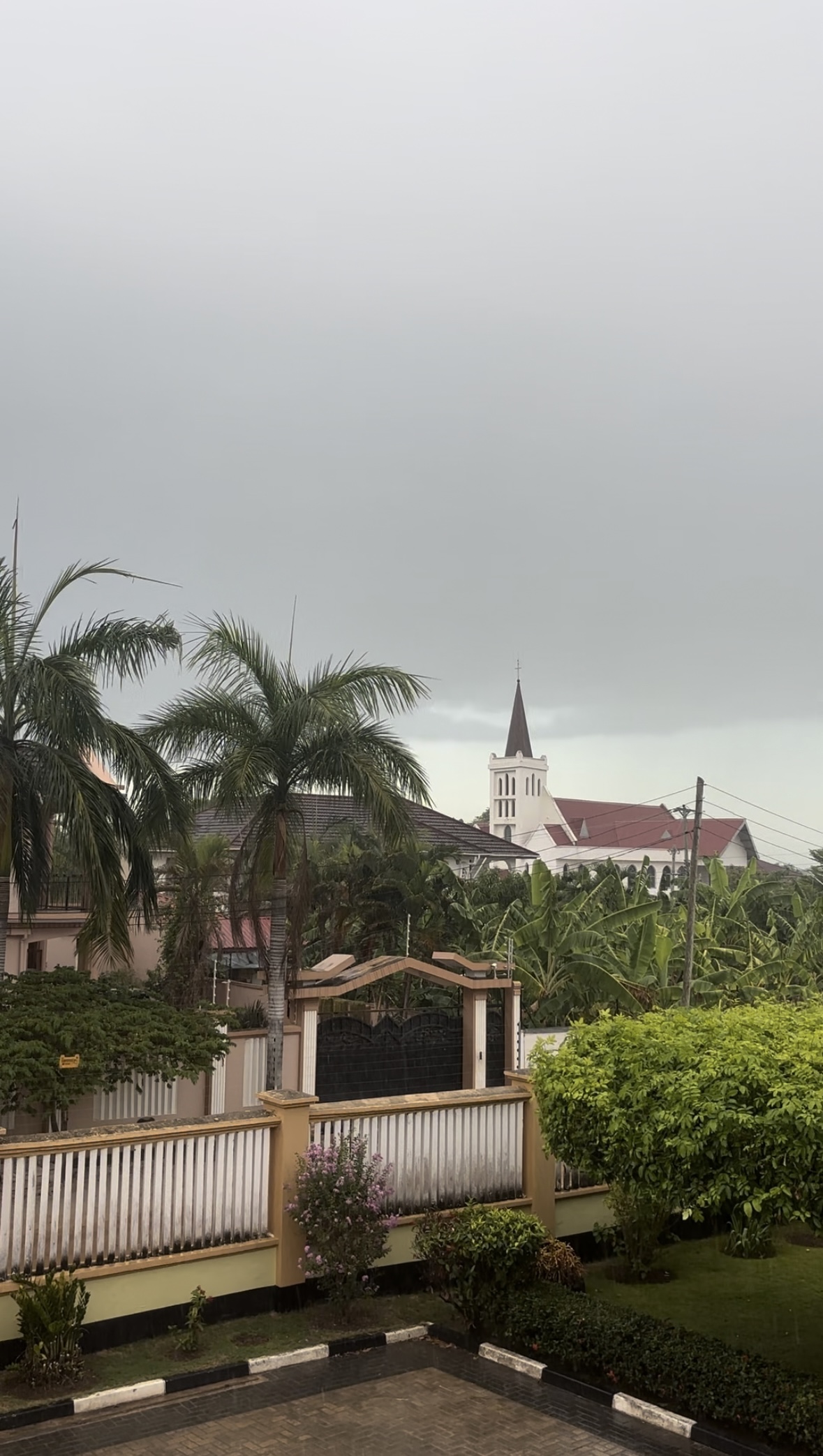
Maskia, is the Swahili name for the “long rains”, usually making landfall between mid-March, April and May. It’s widely suggested to avoid travelling to Tanzania during the storms. It’s fantastic to listen to the thunderous sound of rain pounding the tin roof, and lightning flashing across the endless dark skies, but you’ll find it too wet and miserable to enjoy your stay. Even a trip to Dar Es Salaam, or Zanzibar, can be spoiled, despite often being warmer. The migration has just welcomed new calves and is peacefully grazing in the western Serengeti, before heading towards the climactic Grumeti and Mara river crossings.
When is the best time to visit Zanzibar, Dar Es Salaam & the Swahili Coast?
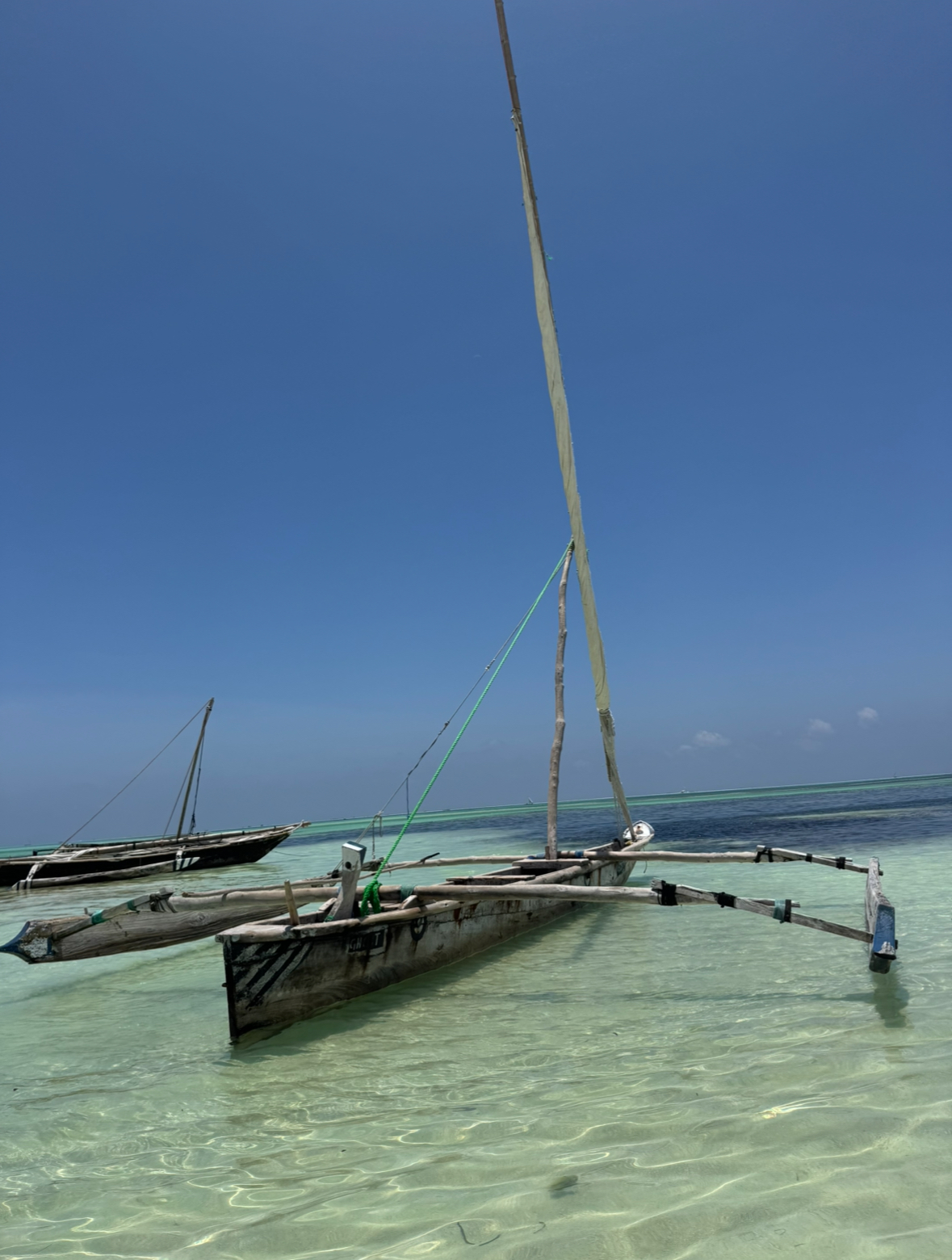
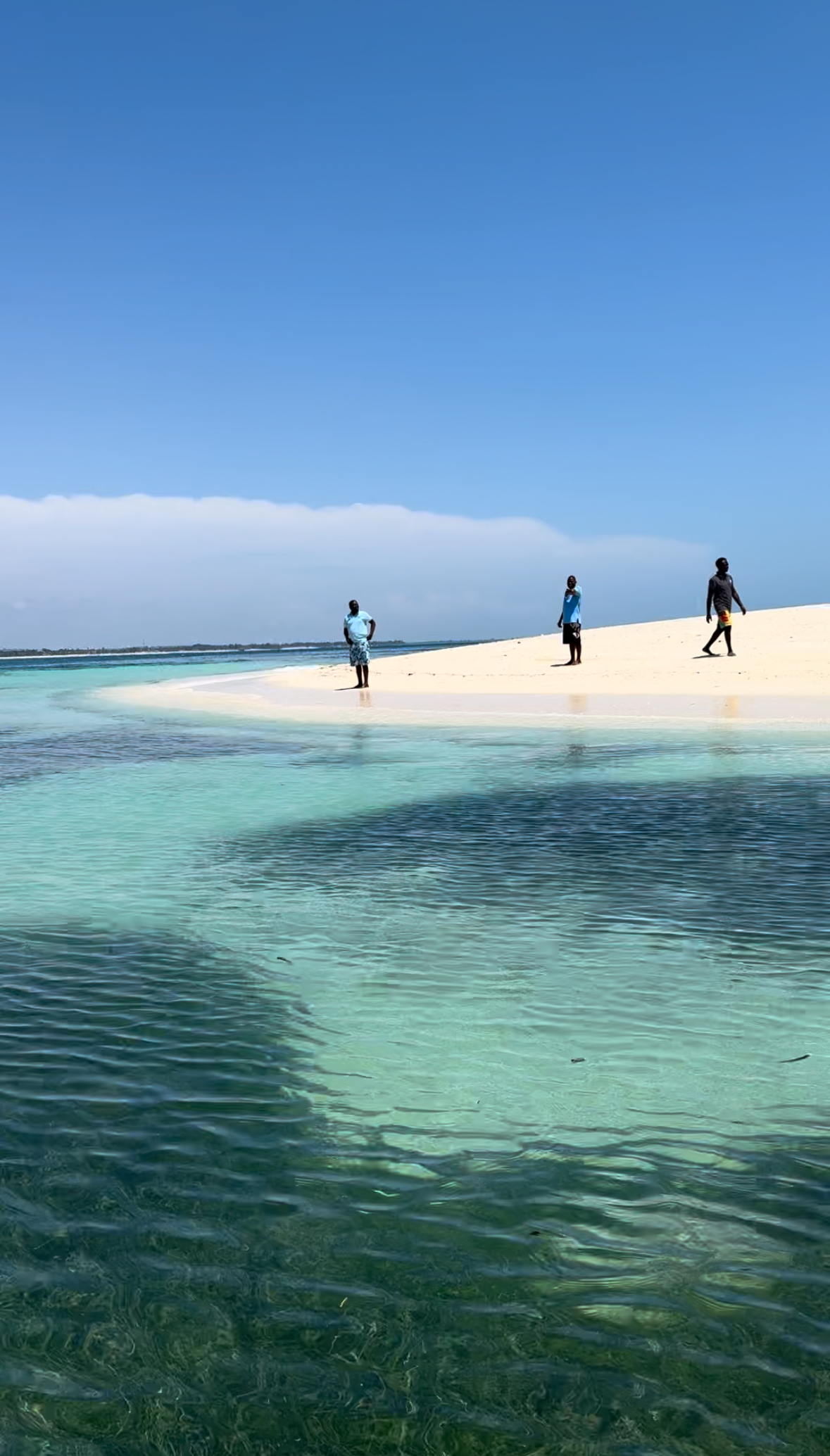
The coastal regions of Tanzania are much warmer and sunnier than Northern Tanzania. Often blessed with beautiful sunshine for 10 months of the year, and rarely dips below 25 degrees, even in the heart of the Tanzanian winter. With highs of 35 to 40 degrees, it’s easy to see why much of the cost is considered some of the finest in Africa.
The best time to travel is often considered to be between September and October, or February to March; this is the sweet spot between the blistering white-hot days in December and January, and the rains in mid to late March.

 English