

If you are in the north of Tanzania for just one day – or even a couple of hours – there is simply one place you must go; the Ngorongoro Crater.
Aside from being one of the most dramatic, beautiful, and interesting landscapes, the crater walls enclose a self-sustaining ecosystem which provides game viewing opportunities like nowhere else in East Africa. If you’re in Tanzania to see the big 5, hippos bathing in their mud baths, and flocks of flamingos gliding over crocodile-infested water, the crater is an unmissable stop on your itinerary.
The crater is the crowning jewel of the surrounding UNESCO-listed Conservation Area, noted for its exceptional natural beauty, biodiversity and ecological significance.
So, this post aims to share what is most interesting, some history and what wildlife you should expect to see while exploring the crater floor and highlands.
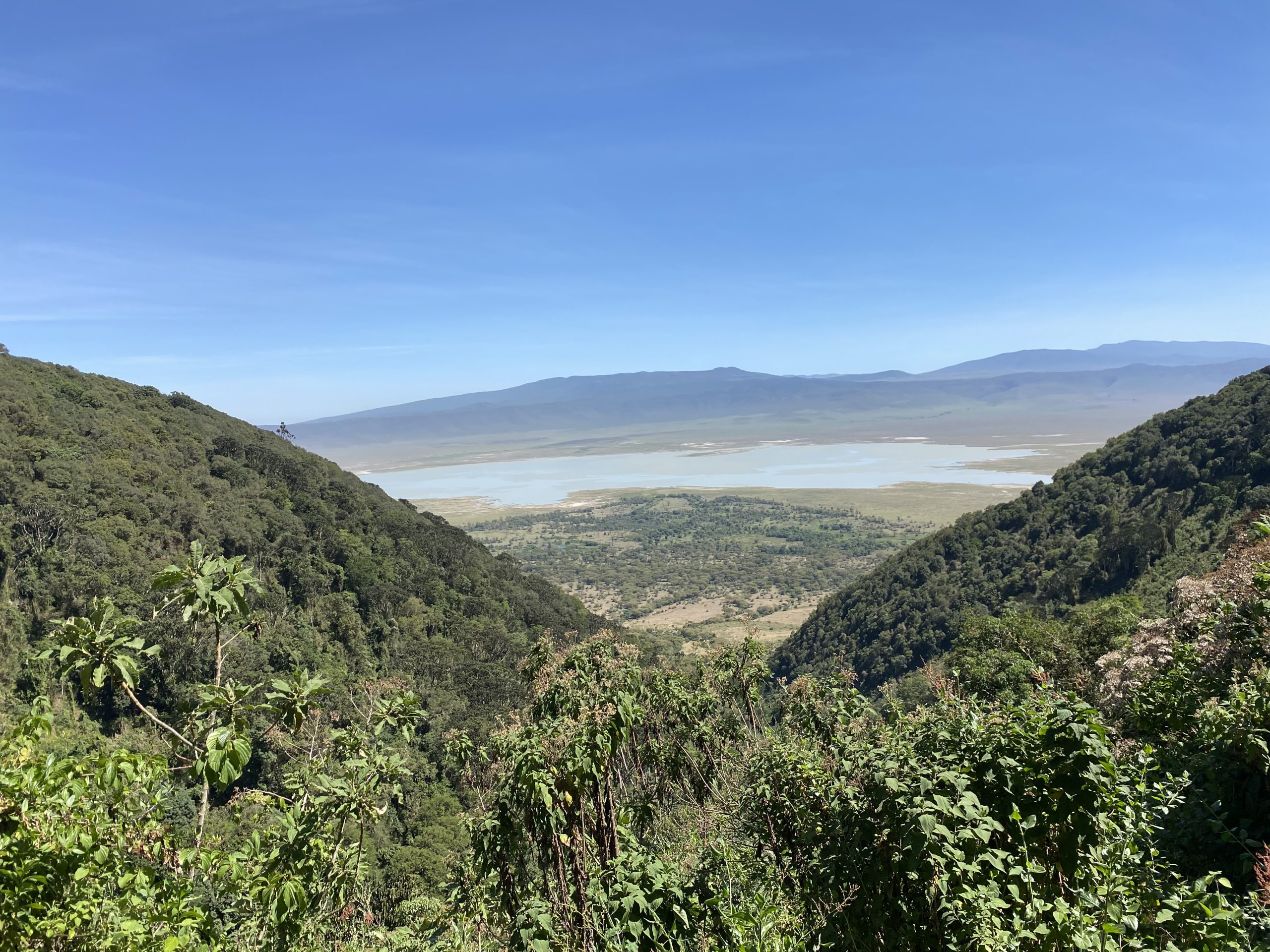
More About the Ngorongoro Crater
The Ngorongoro Crater is often wrongly given the title of the world’s largest volcanic caldera, but it is simply the largest in Africa. What it loses in size, it gains in beauty and ecological significance.
The crater floor sits 610m below the crater highlands and is estimated to be 20km across, and covers an area of 260 square kilometres; this unique landscape is estimated to have been created during a volcanic eruption estimated between 2-3 million years ago. What stood above the crater all that time ago was a volcano similar in size to Mount Kilimanjaro, which collapsed inward, creating a bowl [source], surrounded by mountainous highlands; an event cataclysmic in proportions.
Today, the crater is home to over 25,000 animals, and a unique ecosystem has developed there over thousands of years. The steep highland walls have prevented many animals from entering – but also from leaving. The lion population, for example, suffers from significant inbreeding [source], and there are no giraffes in the crater.
To all who visit the crater, they see how very different the landscape and climate is compared to the other surrounding national parks; it is significantly colder, green and lush; not too dissimilar to spring on the rolling hills of England.
The floor is a rocky snowglobe of diverse habitats, like grasslands, sludgy swamps, rivers, water pools and dense lowland and highland woodlands. It makes the crater a themepark of wildlife, which makes it one of the most accessible places to view the famous safari animals up close.
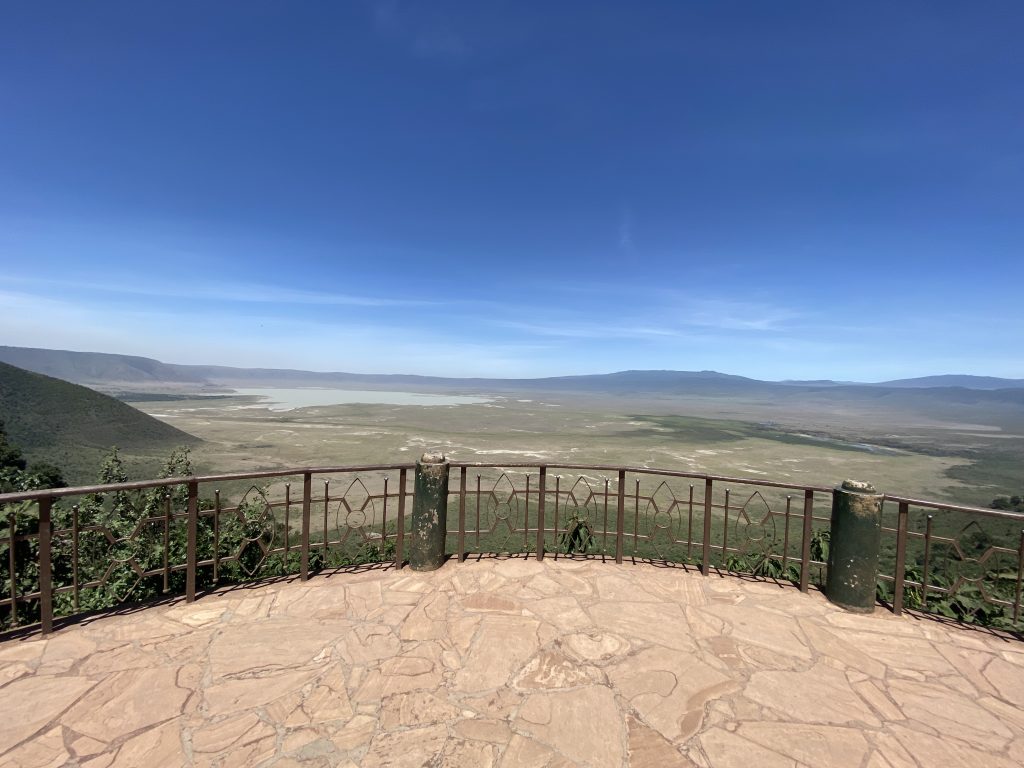
History of the Crater
Let’s start from the beginning? The question is, what do we call the beginning: the first humans of the Olduvai Gorge, or the very formation of the earth’s crust?
The very first documented humanoid history was found in the form of a fossil, found at the Olduvai Gorge, where a number of hominid species were found to have lived in the area roughly 1.75 million years ago [source]. These are some of the oldest dated examples of our early ancestors.
The lands from then on, were likely occupied by pastoral populations, and later by hunter-gatherer people such as the Cushitic Iraqw people around 2000 years ago. In the 1700s, the Iraqw are documented to have been joined by the Hadzabe and Datoga tribes, who still call Lake Eyasi home, and were later driven from their land by the nomadic warriors of the Maasai in the 1800s.
The majority of documented history in the area came with the exploration of Europeans in 1892, when Oscar Baumann, a German explorer, cartographer and ethnographer, first documented the crater. We know a great deal about life in the crater during the early 1900’s thanks to Adolph and Friedrich Siedentopf, two brothers who farmed within the crater highlands until World War 1, after leasing the land from the German East Africa. Their lives in the crater highlands, battles with the British, Maasai and Wildebeest make a fascinating tale of toughness and resiliance; today, the remains for their farm have faired less well and exists in ruins.
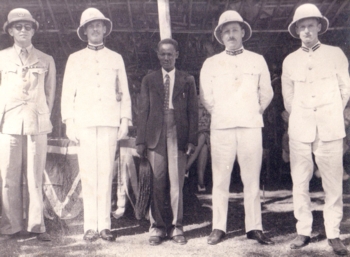
As World War 1 came to a close, the German colonies were taken over by the British, who, in 1921, began to establish multiple game preservation ordinances to protect the ecosystem and wildlife from hunting – the Ngorongoro Crater was protected in 1930. Despite there being Land Ordinance legislation, which put the land rights of the nomadic indigenous populations in the hands of the Governor, the tribes retained their rights until the 1950’s.
The crater became a UNESCO World Heritage site in 1979, the original citation put the natural and cultural significance of the landscapes, to promote and regulate tourism, which is still going strong today.
Despite much work to protect the animals of the Ngorongoro Crater Conservation Area’s wildlife, until 2021, the Maasai and local pastoral communities are still fighting for their rights to access here. This is a dispute still raging today.
The Climate in the Crater
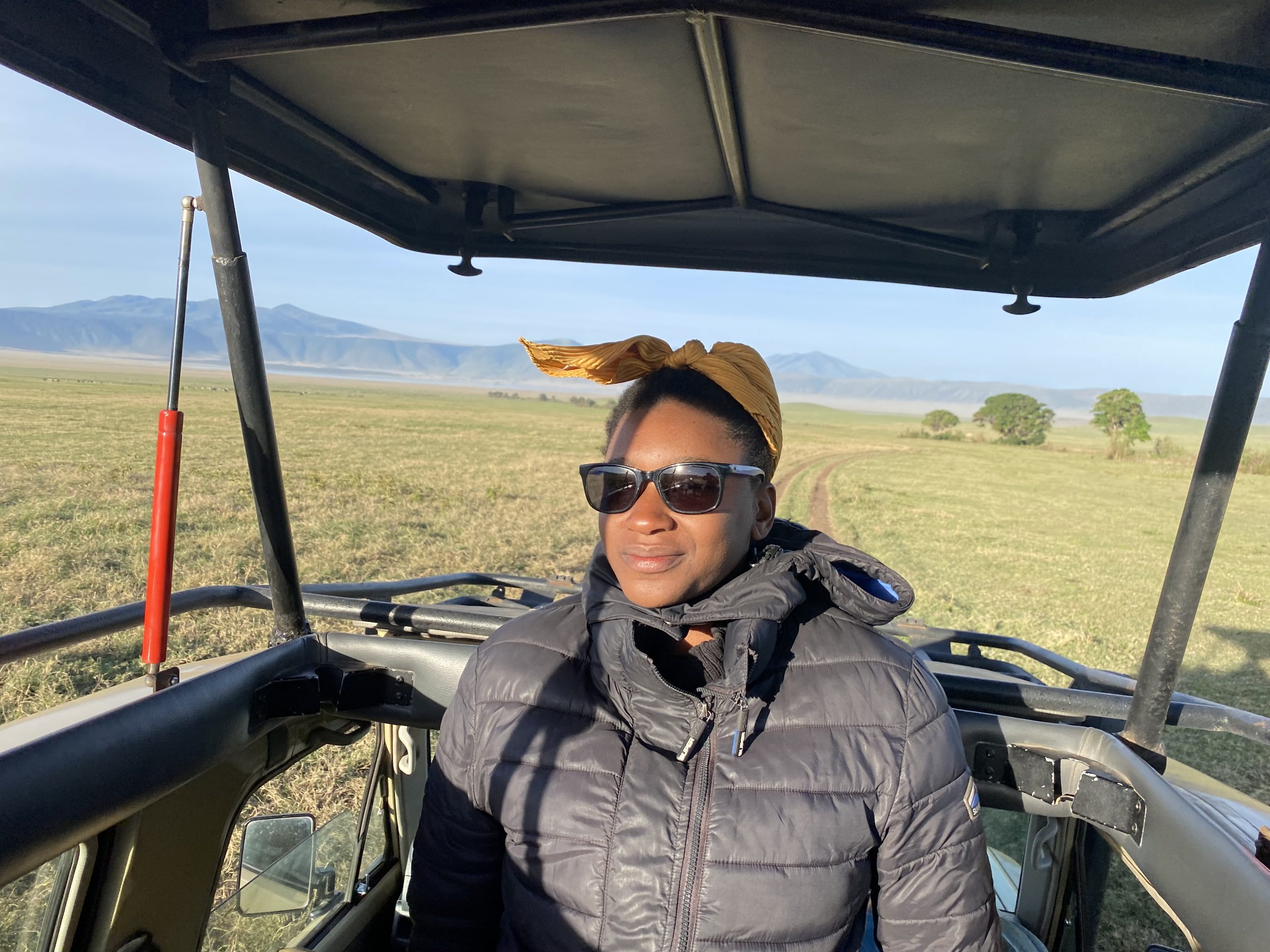
This is an important side note, simply because the crater highlands often catch visitors out – it can get cold! The days are usually warm and sunny, with temperatures ranging between 20-25 degrees. In the morning and evenings, temperatures can drop as far as 10 – 12 degrees, which, if you don’t have the correct clothing, can be very cold indeed.
Animals in the Ngorongoro Crater
To pin down all of the animals in the crater is an almost impossible task – the landscapes are teeming with wildlife, insects, birds, fish and reptiles. A vibrant ecosystem of predators, prey, scavengers and everything in between.
The only notable exception is that there are no giraffes in the crater; this is because they have been excluded by the high surrounding landscapes, but you’re not too far away from herds of them in the Serengeti or Tarangire National Parks.
Before we give an exhaustive list, there are a few worthy mentions that are often overlooked. The Marabou Stolk being one.
Expect to see Lions hunting Buffalo, Zebra and Wildebeest dancing together, Hienas stalking the action and – if you’re really lucky – a flash of a jaguar’s spots or the elusive rhino with its armed entourage of park rangers.

 English