

Where does the Migration Take Place?
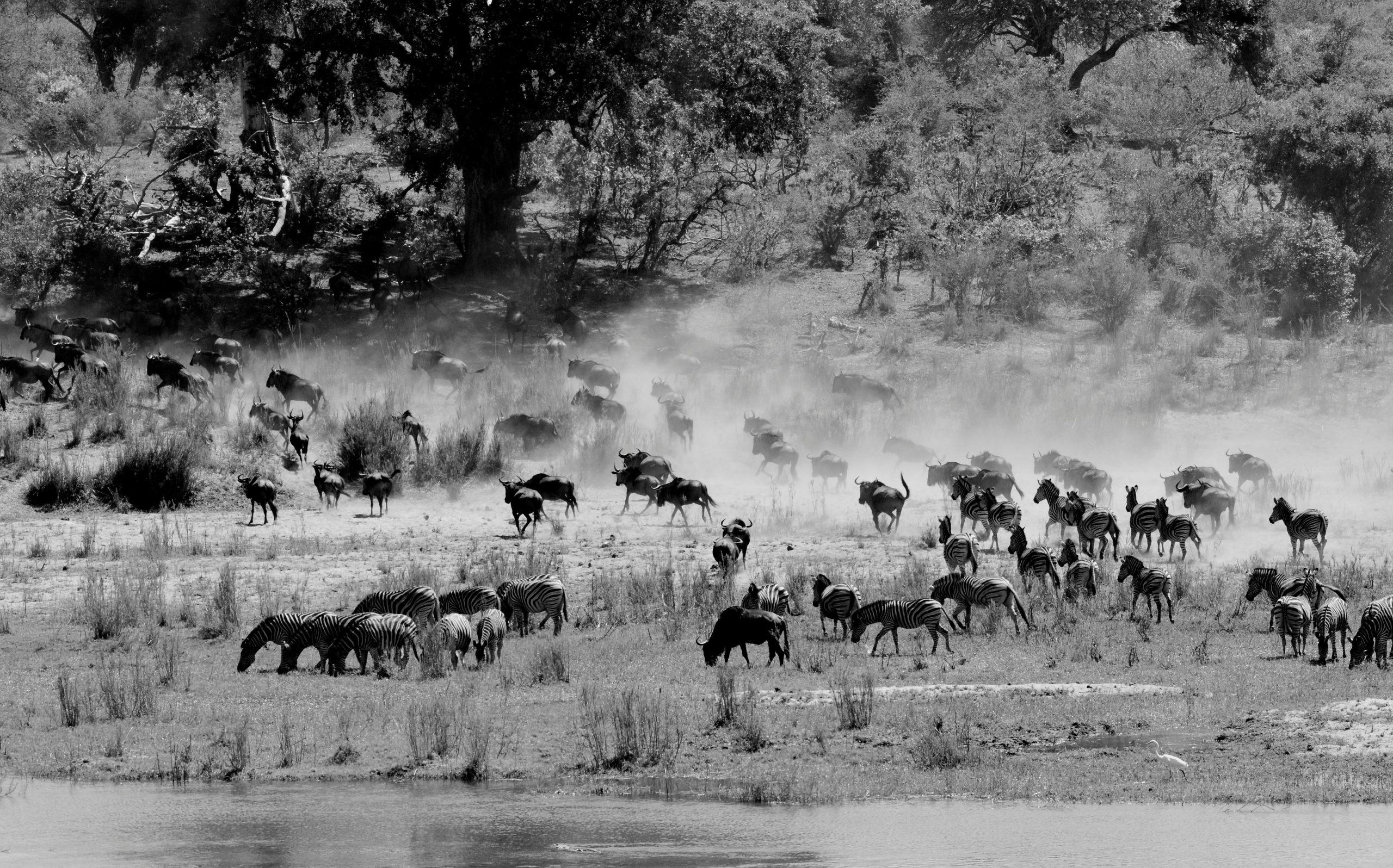
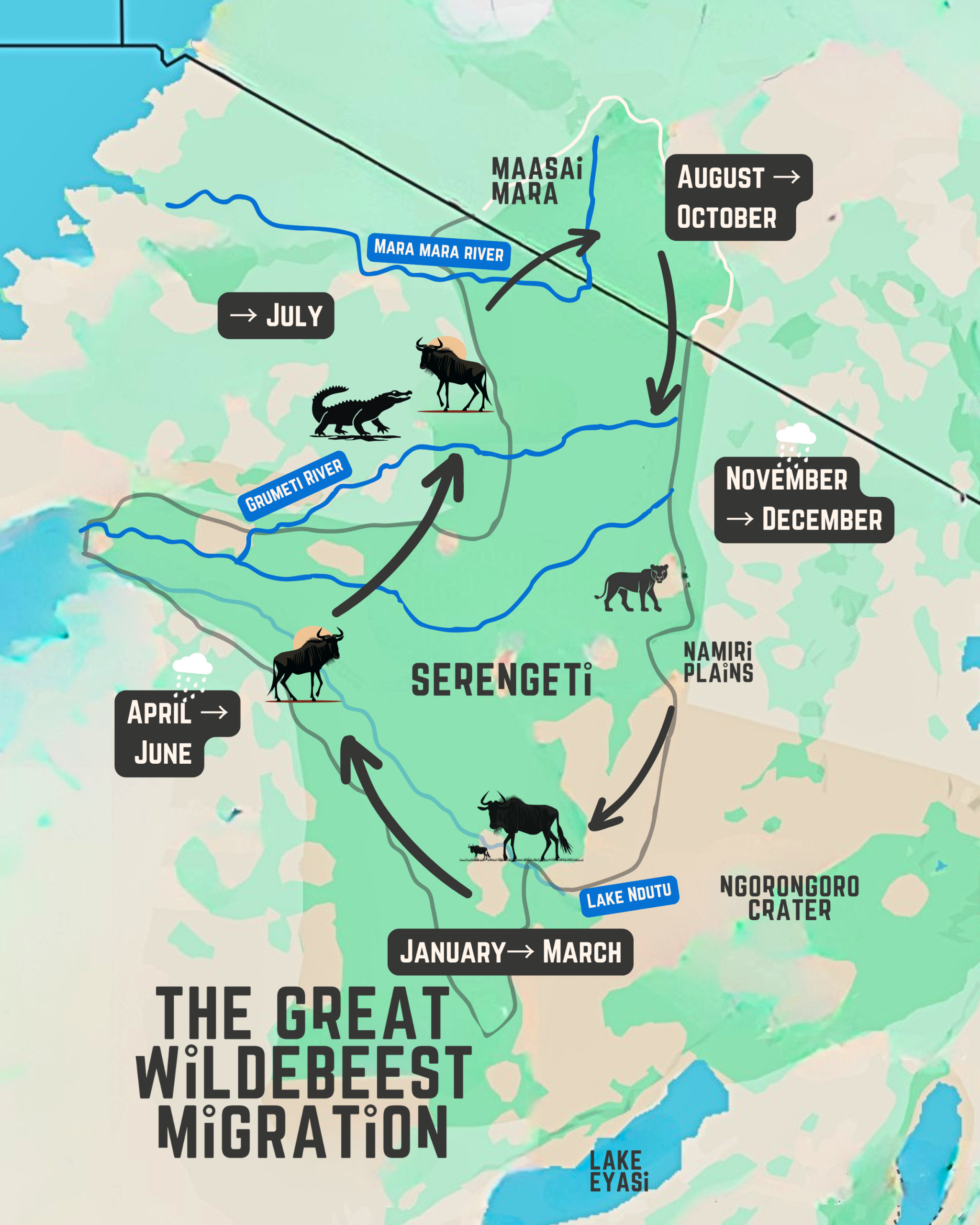
The Great Wildebeest Migration takes place within the Serengeti-Mara ecosystem, in Northern Tanzania and Southern Kenya. The herd forms naturally and slowly migrates around in a circular route, annually to follow the rains in search of nutritious green grass and water.
Usually, the herd can be found in the Ngorongoro Crater and south of the Serengeti from January through to March, moving northwards into the west Serengeti from April to June, the Northern Serengeti and Maasai Mara for August to October, and heading south through the Eastern Serengeti between November and December.
The most famous section is the Mara River crossing, which takes place between July and September. The significant drawback of travelling at this time is that it will be an extremely busy time of the year to be on Safari.
Every year, the herd can cover over 800km, crossing 4 major rivers, in a march that is as old as recorded time.
Which Animals take Part?
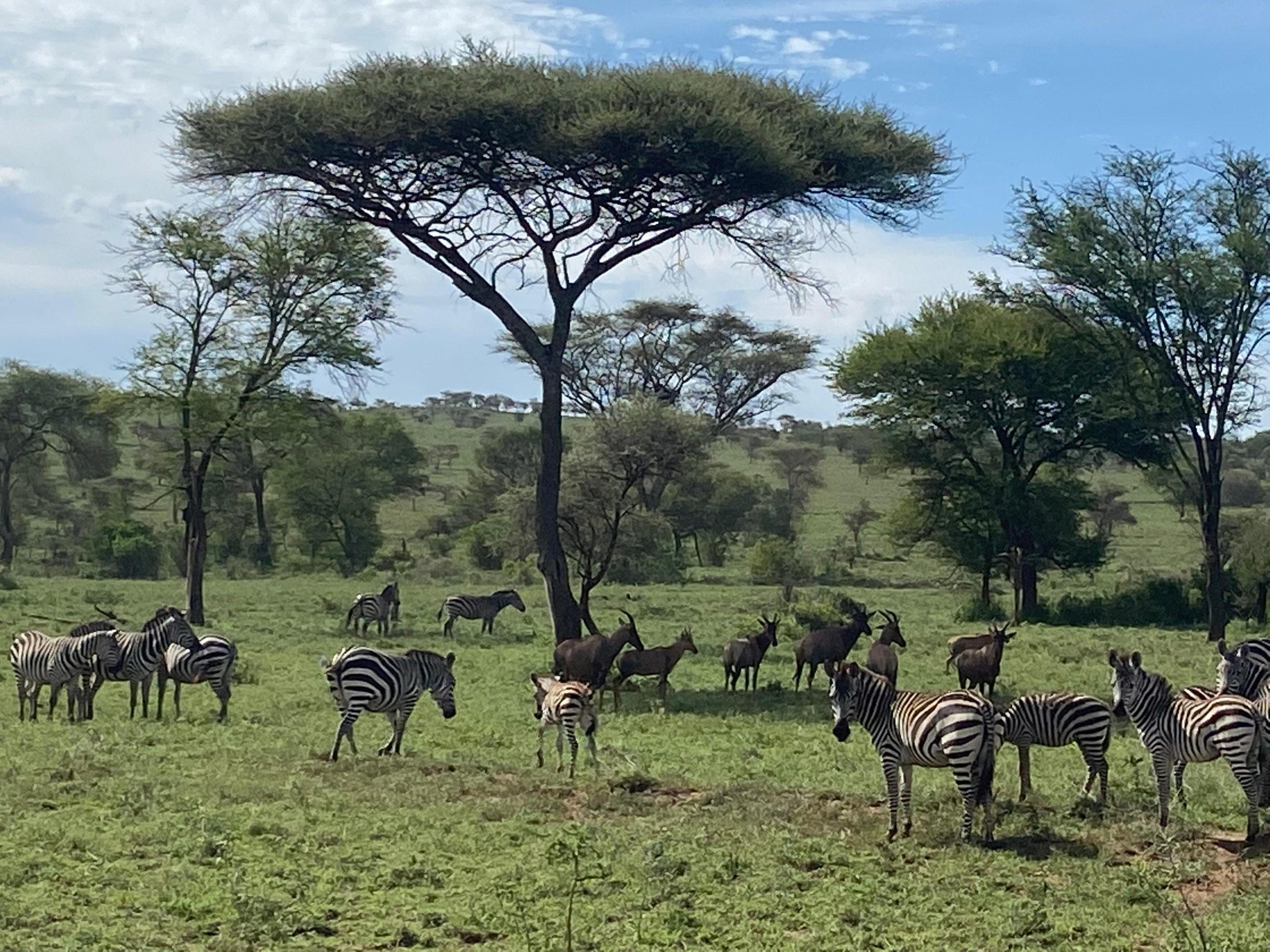
The animals that take part can be separated into three classes: Herbivores and grazers, Carnivores and Predators, and other Safari animals.
Herbivores (Grazers)
The group of herbivores can also be separated into three groups: one which eats the tallest grass, those who eat the medium-height grass and those that graze until the green is almost completely gone – at which point, the herd migrates to more nutritious grounds (the grass in the Serengeti is high in protein and calcium – thanks to the calcium rich volcanic dust from the still active volcano, Ol Doinyo Lengai, ). Here are the herbivore species and their Swahili names:
- Nyumbu: Wildebeest
- Pundamila: Zebra
- Paa: Gazelles (Thompson & Grant)
- Pofu: Eland
- Swala: Impala
- Nyamera: Topi Antelope
Carnivores (Predators)
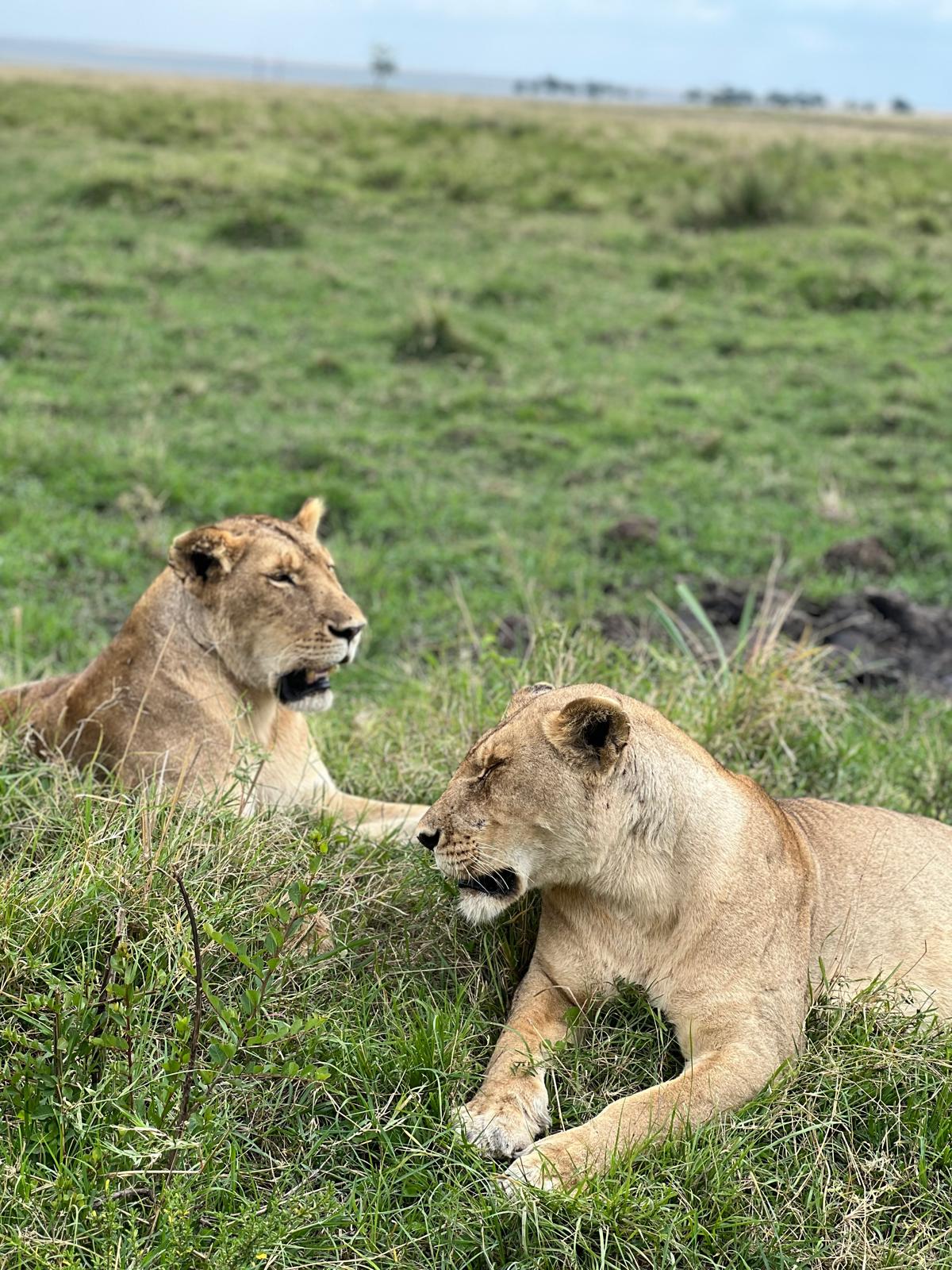
With great numbers of Wildebeest, buck and small mammals, obviously, it presents as a wonderful opportunity to hungry predators. These predators come in all shapes and sizes; some relentlessly stalk the herd, others are devious opportunists, and some lie in wait, submerged in the treacherous waters of some of the great Serengeti rivers. Here are the carnivore species and their KiSwahili names.
- Simba: Lions
- Chui: Leopards
- Duma: Cheetah
- Mamba: Crocodile
- Fisi: Hyena
- Mbwa: Wild Dogs
- Kwera: Vultures
- Ndege (Other birds, eagles)
- Mbweha: Jackels
Other Animals
As the migration wanders around the Serengeti, it invariably interacts with many other famous animals living in the Serengeti. While they may not directly take part in the migration itself, they can often be seen alongside – or among – the endless formations of wildebeest. Here are the species and their KiSwahili names:
- Tembo: Elephants
- Twiga: Giraffee
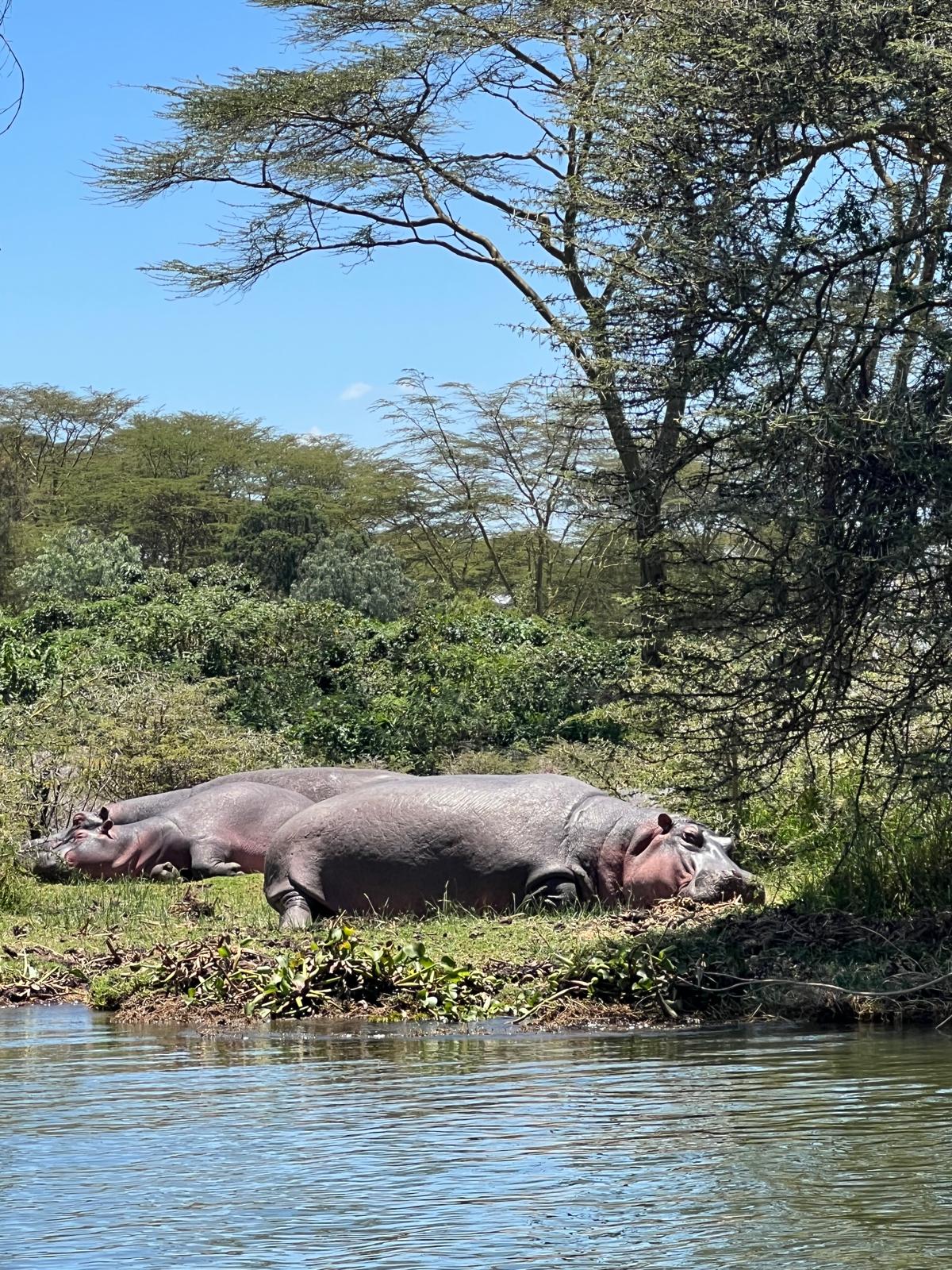
- Kiboko: Hippo
- Nyati: Cape Buffalo
How Many Wildebeest migrate each year?
As of 2025, this is a contentious topic. It seems that the figures quoted by many tour operators are not quite as accurate as they seem, with numbers ranging between 1.3million and 1.7million wildebeest, 500,000 zebra, antelope and Gazelles.
It seems that, more acurately, the figures are closer to 600,000, with the highest estimates of 533,137 individuals over 4,047 km2 in 2023. Satalites and AI technology has been leveraged to accuraltey calculate amost the exact numbers, so, while not entirely conculive, it’s closer to an accurate number.
When is the best time to see the Migration?
For many travellers, being able to see the great migration at the right time is a source of anxiety. Where it will be, what is happening, and will it be like I’ve seen on TV? The answer is: “it’s possible”.
The migration is a spectacle that is accessible all year round, but there may be specific highlights you’re looking forward to seeing.
The Great Migration in January and April
The calving season for the Wildebeest is between February and March, while the herd is in the south of the Serengeti – passing by the Ngorongoro Crater, Lake Ndutu, across the Mbalageti River and towards the Masawa Game Reserve. As March turns to April, the herd moves towards fresher grasslands in the central regions of the Serengeti, where the herds’ numbers will swell with thousands of zebra, antelope, bucks and gazelles.
The Great Migration in May and July
Over the course of May, the wildebeest enter their mating season, which is notable for head-to-head battles between male wildebeest, asserting their place on the mating hierarchy. At this point, the Migration can be found peacefully grazing together, as they slowly move towards the great Grumeti River.
May is considered a ‘low season’ by many of the exclusive camps, so it’s a good opportunity for lower numbers of tourists, and therefore, slightly better value for money. March, April and May are also part of the Vuli, the small rains, so bring a waterproof!
The Great Migration in June and July
As the rains subside, the Serengeti enters the dry season. As the seasons change, the Wildebeest rest in the Western Serengeti, on the southern banks of the mighty Grumeti River. This is the lesser of the great river crossings made famous by the BBC’s Planet Earth 2006 documentary series.
While less treacherous than the Mara river crossing, yet to come, the Grumeti river is dangerously crocodile-infested and a stomach-wrenching spectacle to watch.
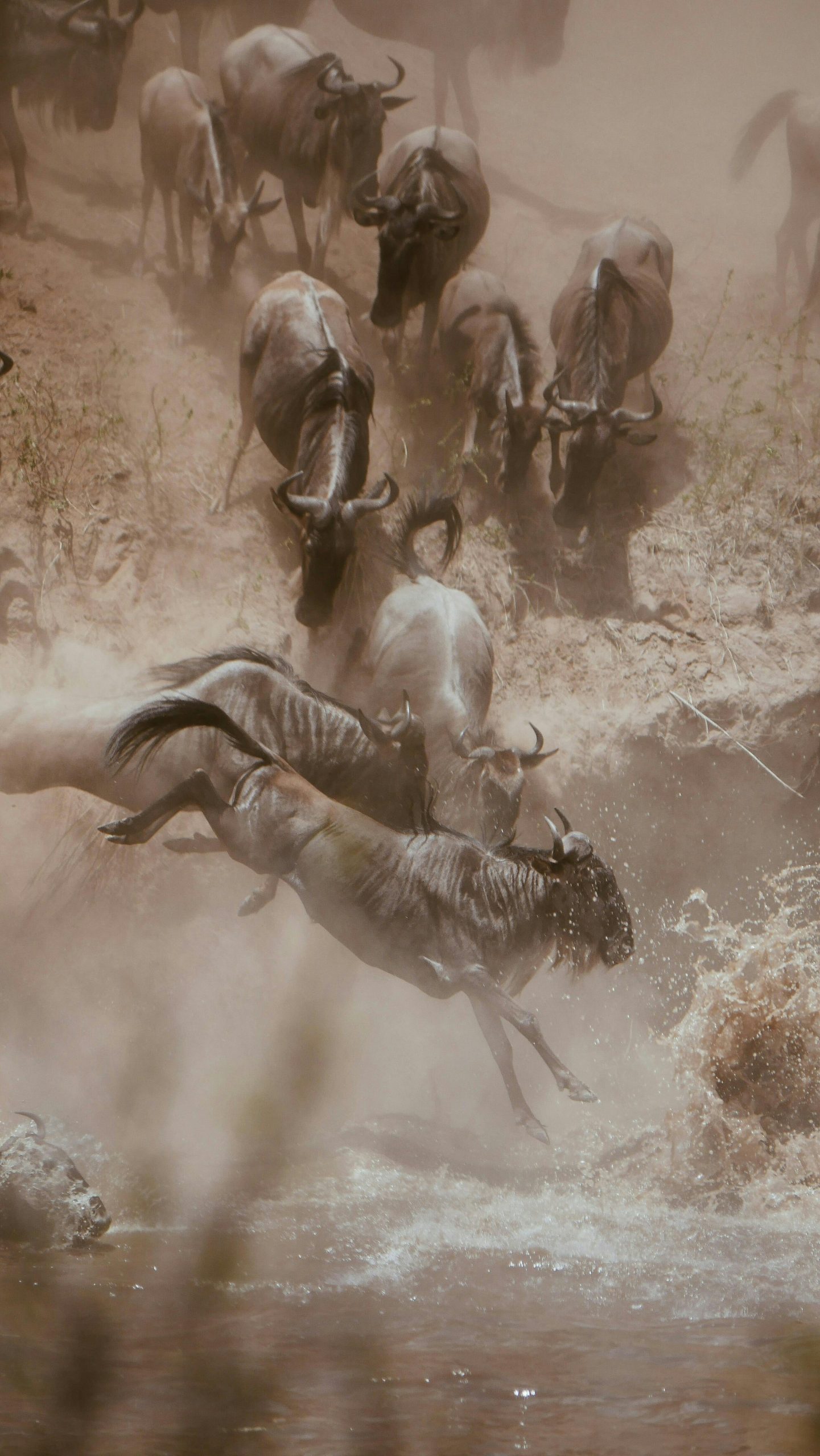
As the first days of June pass by, the herd continues north towards what many consider the highlight for observers of The Great Wildebeest Migration: the Mara River crossing. Hundreds of thousands of individuals make the terrifying crossing where crocodiles are waiting to snap at the hooves of skipping beest. The high season usually begins in July, but this depends entirely on the movements of the herd.
Those lucky enough to have escaped the ancient jagged tooth jaws of the Nile crocodile’s head further north, towards late July.
The Great Migration in August and October
With the fresh memories of lucky escapes and lost friends, from the first Mara River crossing, the herd crosses county lines into the Kenyan Maasai Mara. August represents the heat of the chaos, with almost daily crossings of the Mara and Talek rivers, which are teeming with predators, of both river and land.
This is the most deadly run of the Migration; individuals can be caught by rising tides and surging water, caught by crocodiles and stalked by lions on land. Thousands are killed, yet the lives of the herd are sacrificed to sustain the lives of an impressive array of predatory animals and opportunistic scavengers alike.
As September turns to October, the herd’s move east moves southwards, returning to the border with Tanzania.
The Great Migration in November and December
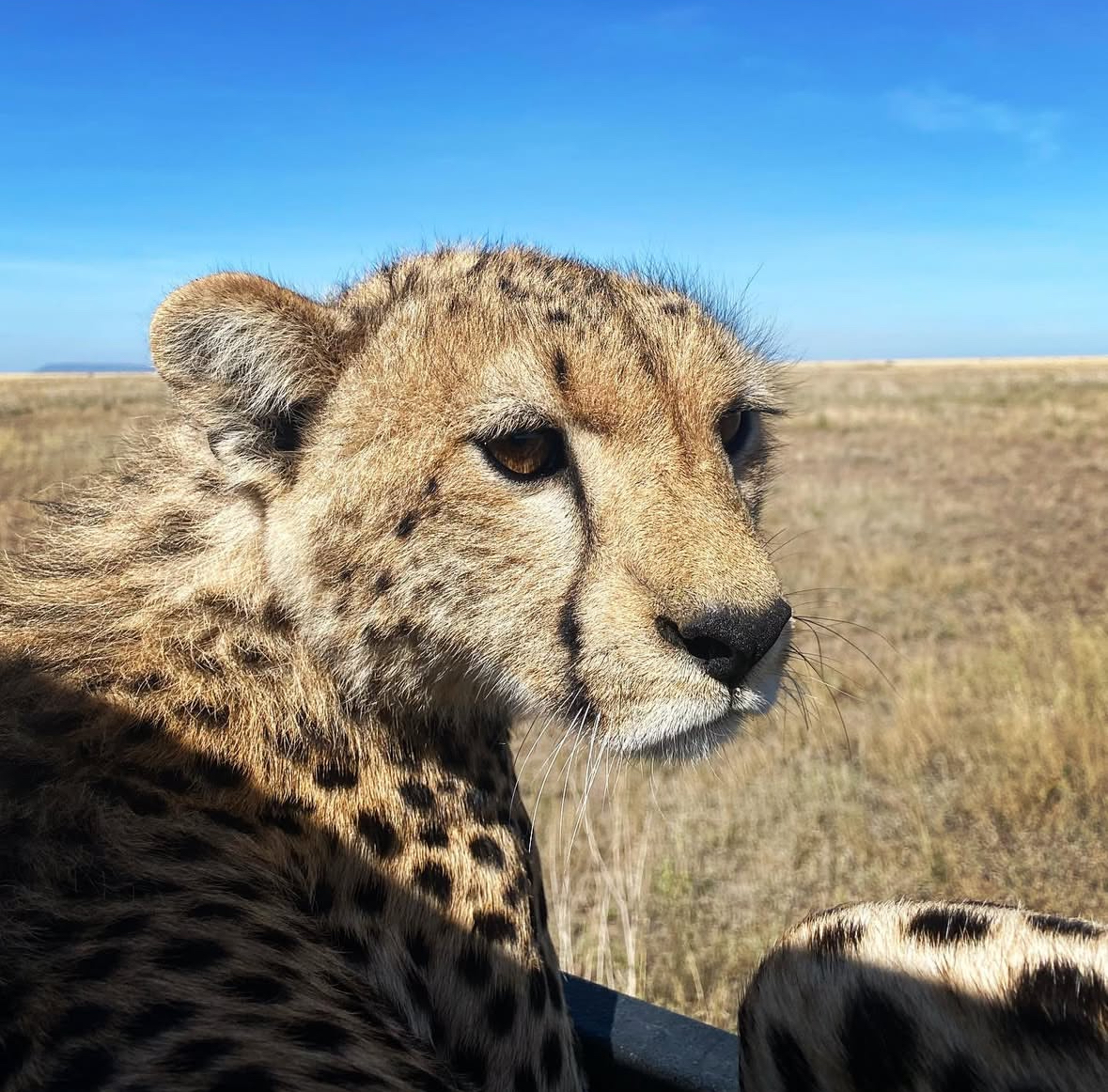
The treturous, soggy, chaos of the river crossings, marches ceaselessly onto endless savannahs framed by golden horizons. As October becomes November, the migration endures the coming Vuli, the short rains. The migrations make their way south again, passing the Namiri Plains, famous for it’s cheetah population.
Over the past year, while the herd has endured stalking from predators, river crossings and over 800kms of travel, the rain and sun have ensured grasslands in the south are recovered, ready to be eaten once more. Into December, the migration works its way past the Ngorongoro Crater, and the calving season begins, as does the cycle.

 English