

The vast majority of visitors who travel to Tanzania have their sights set on the animals, wildlife and nature. After all, it is what the country is most famous for. Tanzania is one of the few countries in the world that has fully preserved ecosystems and national parks, which are home to the iconic “big 5”.
So, what are the big 5?
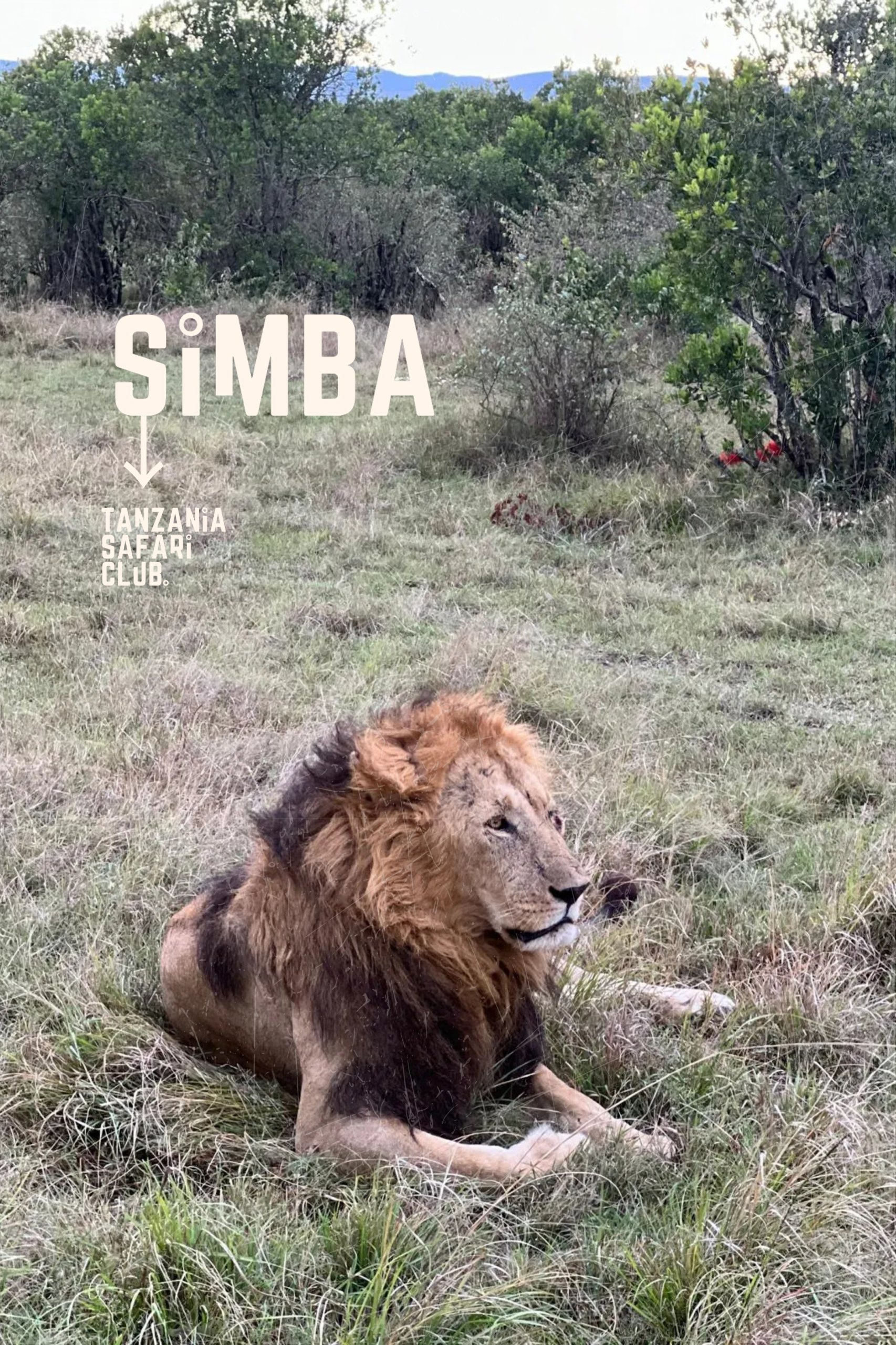
The Lion (Simba)
The Lion is the apex predator of East Africa.
Tanzania has the largest population of Lions in the whole of Africa, between 40% and 50% of the world’s remaining lion population. There are between 14,000-15,000 (some sources suggest closer to 16,000) individuals spanning across the Serengeti, Tarangire, Ngorongoro reserve area and the rest of Tanzania.
While Tanzania remains a stronghold for the mighty lion, conservation has become difficult due to human conflict, climate change and the arrival of tourism.
The Swahili word for Lion is the easiest to remember, as it is SIMBA. Once you arrive in the Serengeti, it’s easy to see where much of the inspiration for the Lion King came from.
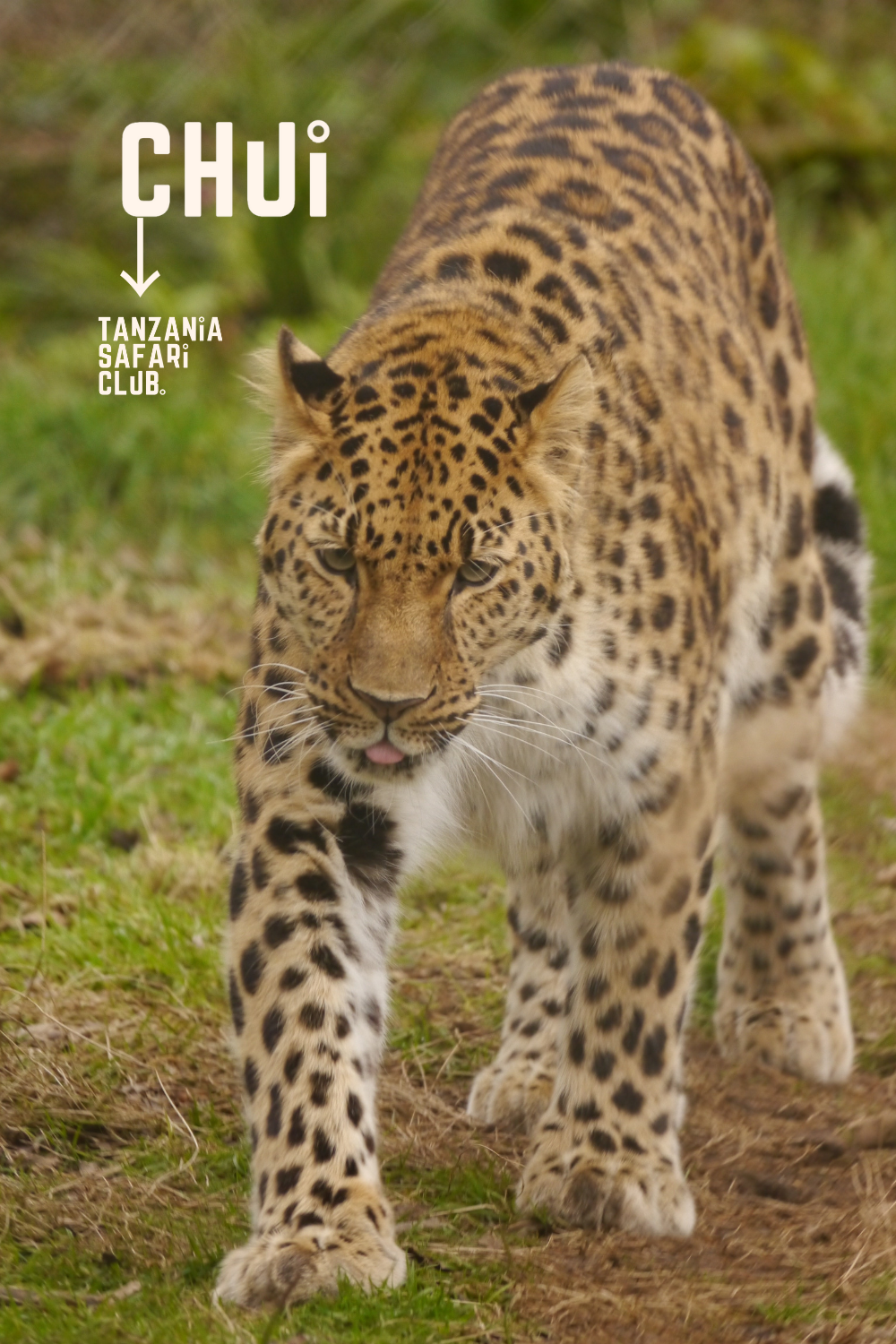
The Leopard (Chui)
The Leopard and Cheetah (Duma) look very similar, but with two major differences: one being the tear marks under the Cheetah’s eyes, and the other is that a Cheetah is friendly, while the Leopard is often not. It would be a mistake to get close to one of these majestic cats.
Fortunately, Tanzania a healthy population of Leopards, roughly 24,000. That makes Tanzania home to the largest population in Africa. Despite the large population, the Leopard is elusive, and one of the big 5 that is the hardest to spot.
For the best opportunity to see the Leopard, it’s best to go to Tarangire, Serengeti or Ruaha national parks according to Oxford University – or the Ngorongoro Crater. It is possible to see them in Lake Manyara National Park too.
The Swahili word for this majestic animal is Chui (Chew-ie).
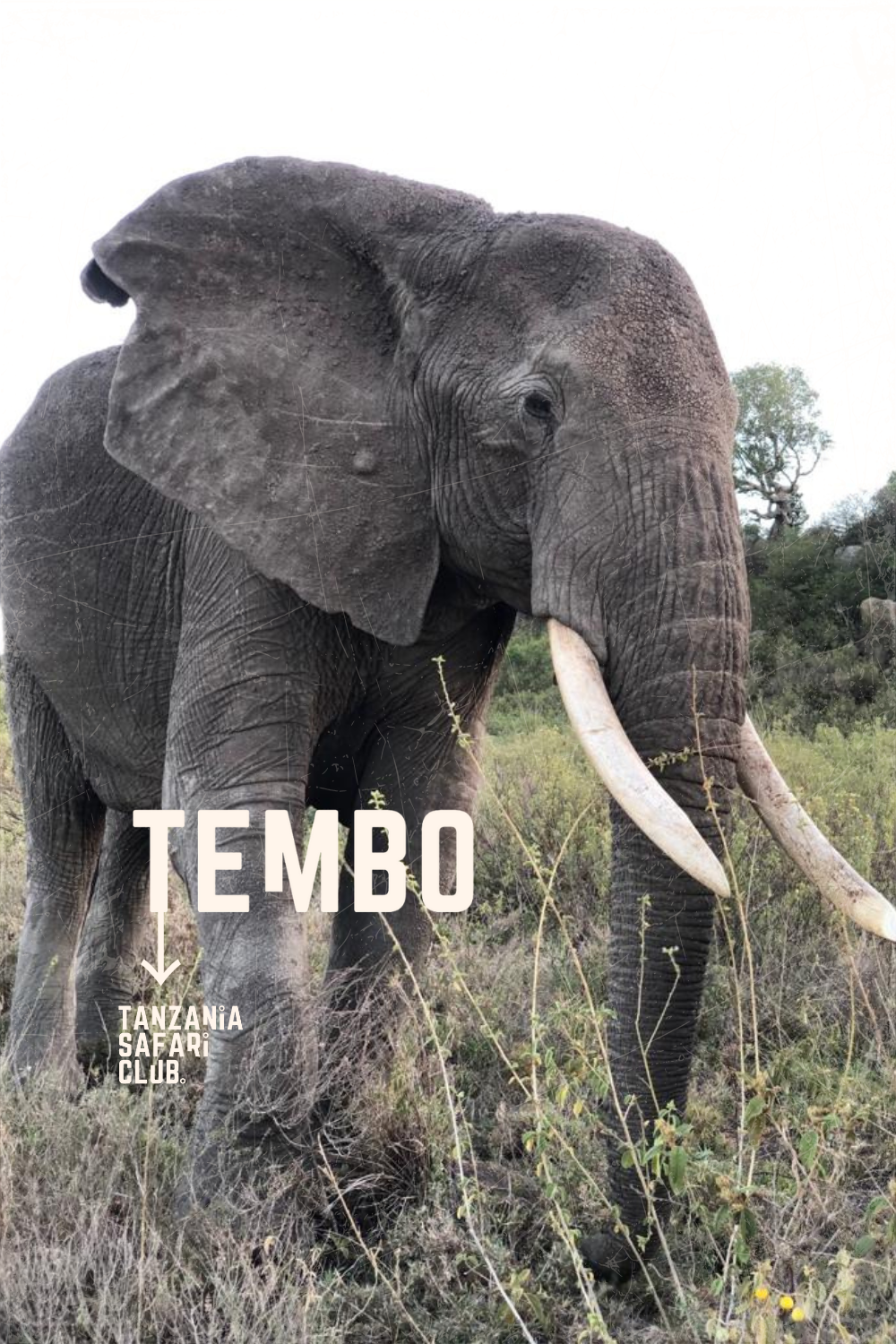
The Elephant (Tempo)
In the Savannah lives the largest land animal on earth: the mighty African bush elephant. These beasts are something to behold and tower over you, even standing in the Safari truck.
Tanzania has the 4th largest population of Elephants in the world, but sadly, the Elephant population in Tanzania has fluctuated significantly over the past years. Conservation efforts have been made to prevent poaching and habitat loss. The elephant population was decimated, with over 60% being killed or displaced; in 2014, it was as low as 43,000, but recovered to 60,000 in 2021 and 81,000 in 2023. There are big plans for protecting Elephants for the future.
Elephants are ubiquitous across Tanzania, and you’ll find them roaming the Serengeti, Tarangire, and the largest can be found in the Ngorongoro Crater (where they are safer from harm).
The KiSwahili word for Elephant is TEMBO.
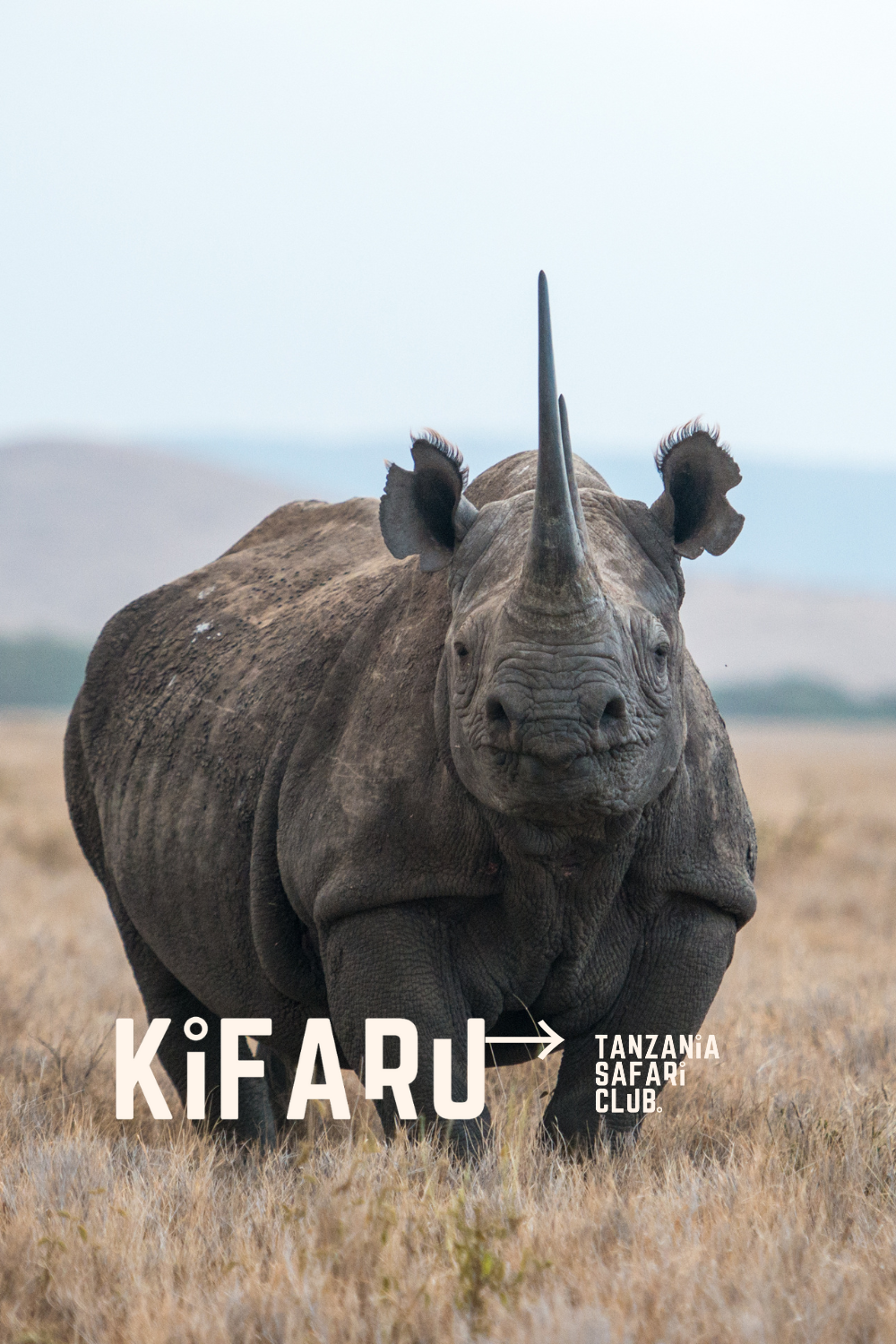
The Rhino (Kifaru)
The animal you’re least likely to get close to is the Rhino. It’s one of the most guarded animals on earth, and it’s likely you’ll spot the armed guards before seeing the Rhino itself.
The largest group of Rhinos is the Black Rhino, of which there are said to be between 260 and 280. Thankfully, this is an increase from the 160 counted in 2014. These animals have been hunted almost to extinction, but conservation efforts have helped to stabilise their decline. As a comparison, South Africa has over 16,000 rhinos; therefore, the Tanzanian Rhino is a rarity.
There are only 18 elusive white rhinos, which had been transported to Tanzania from South Africa, and live in the Ngorongoro Crater.
The Swahili word for Rhino is KIFARU.
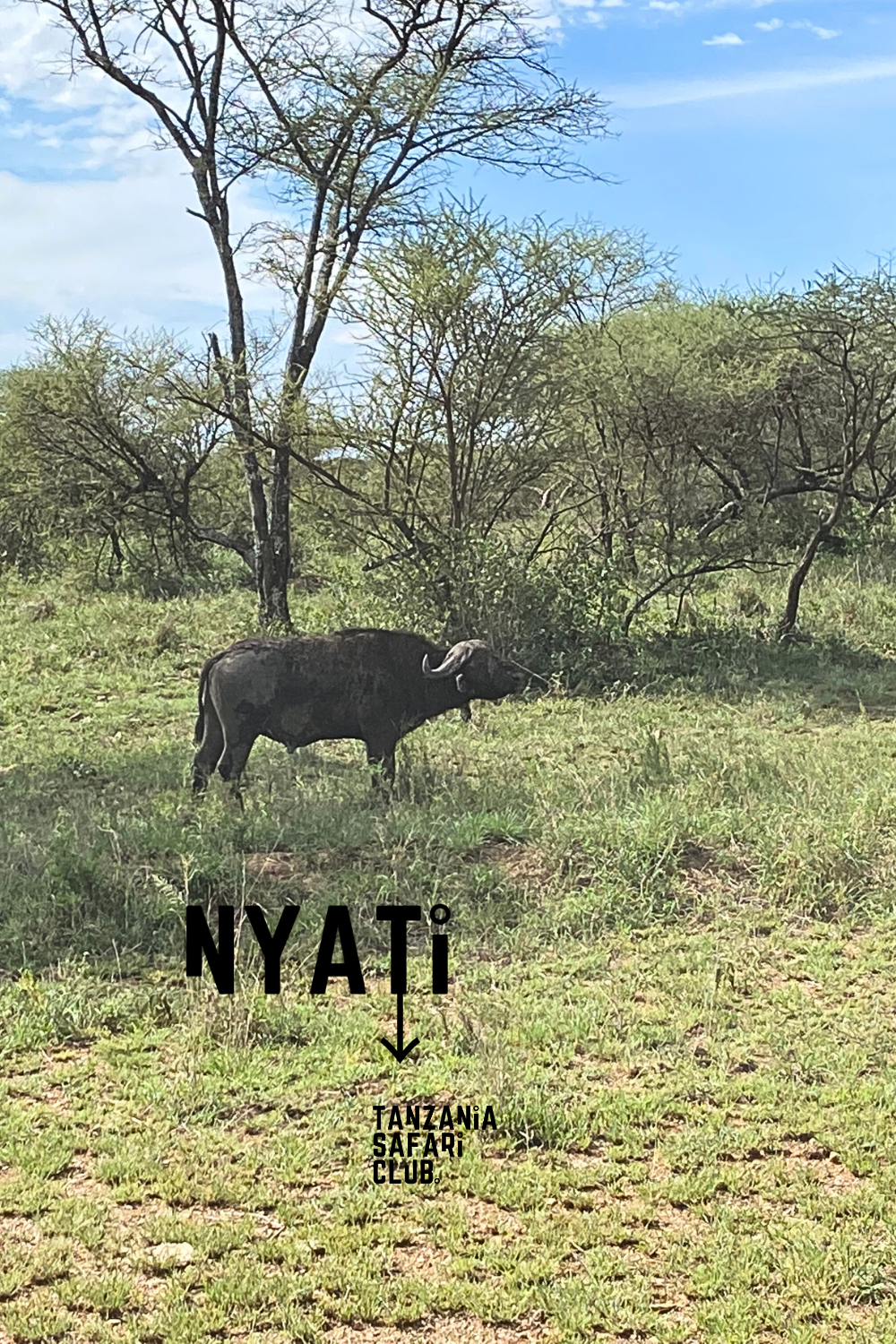
Cape Buffalo (Nyati)
Finally, the mighty buffalo is one of the more overlooked of the big 5, mostly because they are so abundant that almost every visitor can tick it off their list. Tanzania has the highest population of Buffalo, with at least 200,000 individuals, over 50% of the total global population. Despite their large numbers, the Buffalo is still considered as “nearly endangered”.
The Buffalo’s size is what is most impressive – standing up to 5ft tall, and weighing up to 500kg, this is an impressive beast.
The word for Buffalo in Swahili is NYATI.

 English