

Travelling to Tanzania can feel overwhelming for tourists, especially if they have never been to the continent before. Safety is often one of the first concerns that comes to mind when deciding whether to go.
If you are travelling from the UK, where the culture is different and in some areas English is not widely spoken, there may be moments when a situation feels unfamiliar or even unsafe. Not to mention the UK government’s advice is stern.
To help, I have put together a few pointers to keep in mind.
Is there crime on Safari in Tanzania?
Tanzanians take great pride in their country and are known for their warm hospitality. You will often hear the word “karibu” which means “welcome.” Both locals and tour guides see it as a point of pride to host visitors and will do their best to look after you during your stay.
However, it is important to be aware that petty crime, such as theft and pickpocketing, is common, particularly in urban areas like Dar es Salaam or Stone Town. It is advisable to keep your belongings close and, much like in cities such as London, avoid drawing unnecessary attention to yourself (like flash jewellery or accessories).
On Safari
While on Safari, the community of guides, park rangers and staff are fiercely protective of their guests. They know that if guests feel unsafe, it will affect their livelihoods. Your belongings will be safe while on Safari, but be cautious and keep your belongings close and valuables locked away anyway.
While In Zanzibar
Stone Town has a reputation for being busy, and tourists may be targeted by petty crime and scams. While this is quite rare, you should be cautious with your belongings and be aware of your surroundings. It is also generally safe to be out at night; however, stick to well-lit areas and known tourist areas to be safe.
As a large percentage of Tanzania’s coastal population is Muslim, it is not generally advised to be drunk or to openly drink alcohol in public. It will attract unwanted attention!
If you’re with a guide – like the ones we provide – they will keep you safe, answer any questions and keep hawkers away.

Is Tanzania Safe for Solo Travellers?
Yes, Tanzania is generally safe for solo travellers, but it is important to have a plan for where you are going and understand the potential risks of going alone.
As a tourist, you will often be considered an mzungu (foreigner). In bustling cities and even in villages, it is common for people, especially children, to wave, say hello or approach you out of curiosity and friendliness.
On Safari
If you’re travelling on a tour in the national parks, then you’re very safe.
The guides are very protective of their guests. Some tour operators arrange group trips where individuals can join others. This is a great way to meet like-minded travellers and can also be more affordable than booking a private tour. A group may make you feel safer.
Cultural tours are worth including in your trip, and on Safari, you may pass through Maasai villages where locals sometimes ask for a photo. They may expect a small tip, so it is best to ask before taking any pictures. Others may offer jewellery for sale, but never feel pressured to buy. A simple greeting and a clear, polite refusal are usually enough.

While In Zaniabar
Especially in Zanzibar, it’s certain that you’ll be approached: from independent tour guides who will try to offer excursions, or beach vendors selling all kinds of trinkets, to taxi drivers and beggars. While this can feel intimidating, a friendly “hello” followed by a polite “no, thank you” usually works.
If you feel unsafe, continue walking and enter a hotel, restaurant or shop to ask for help!
Is Tanzania Safe for LGBT+ travellers?
As we’ve mentioned, Tanzania’s culture is much more conservative than the UK, EU or USA, and same sex activity is illegal. Same sex relationships are not tolerated either. Public displays of affection (holding hands, kissing etc..) could put you at risk of harassment, arrest or imprisonment.
The warnings are stark, but Tanzanian’s are generally more relaxed compared to other East African countries. Gay and queer communities do exist, however, we suggest expressing extreme caution if travelling to Tanzania.
It is safe for most travellers, but we do not recommend that any visitors do anything that puts themselves at risk or draws attention to themselves. It may be best to avoid any symbolism associated with pride too (rainbow badges, bracelets etc…).
What to Wear in Tanzania
Tanzania is a conservative country, so what you wear matters, though it depends on where you are.
Locals are generally understanding of tourists, but it is best to be respectful. It is not uncommon, especially for women, to be harassed or heckled for revealing clothing.
On Safari
While on Safari, what you wear depends on what is appropriate for the weather or situation (eg, colder weather in the Ngorongoro Highlands). While there are no strict rules, be mindful that many of the drivers are religious or more conservative than people in the UK, EU or USA.
While in Zanzibar
Tanzania’s coastal population is predominantly Muslim and holds conservative views. In Zanzibar’s historic Stone Town, clothes which expose the shoulders, or short shorts, may cause offence to the local population; you may even be subject to a fine by the Zanzibar authorities.
Do not walk around in a bikini and try to cover up. Even men’s shorts may be seen as inappropriate in certain areas too.
It’s worth noting again that drunken behaviour or drinking openly in public may attract unwanted attention.
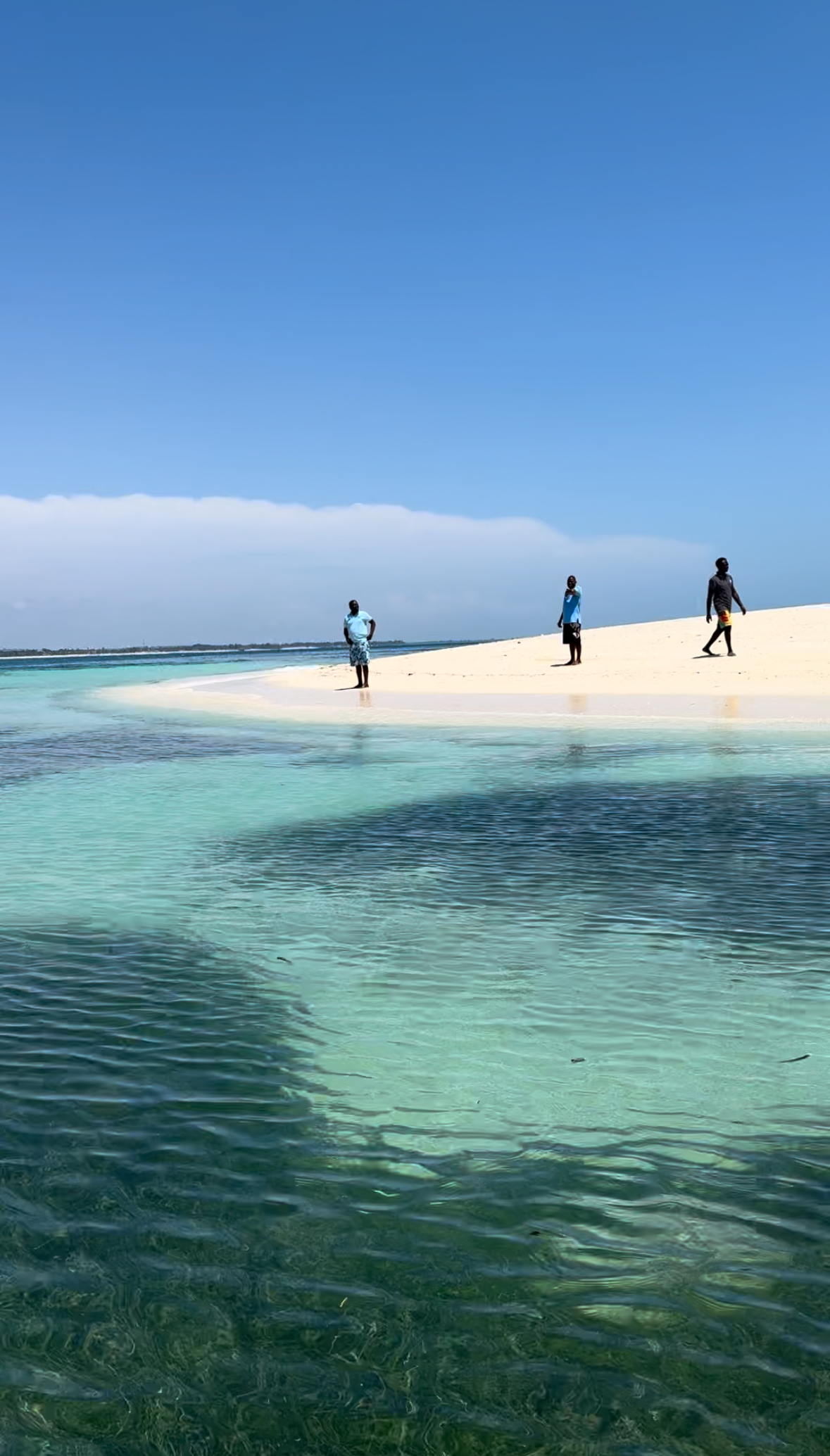
At beaches and hotels, the dress code is much more relaxed, and you can freely walk around in swimwear without any issues. Pack clothing suitable for both settings.

Plan Ahead and Enjoy Your Trip
If you’re to ask us for the best advice, we’d say:
- Be cautious as you normally would: keep your belongings organised and valuables hidden.
- Don’t be flashy & wear modest clothing.
- Plan ahead, and be aware of potential risks (especially if solo).
- Plan your Safari or Zanzibar trip with a trusted guide/tour company.
- But, most importantly, relax and enjoy your safari!

 English