

Zanzibar has been trending on social media recently, and is often included as one of the best places to go after Safari – or for a backpacking holiday or as part of a Gap Year package. The island has almost everything you’d want from travel: extremely rich culture and history, crystal clear beaches and a sense of adventure.
It’s why millions travel.
Many may not realise that the island we often refer to as “Zanzibar” is actually called Unguja, which is the largest island in the Zanzibar Archipelago. The 3 main islands are Pemba, Unguja and Mafia.
After years of travelling across from Dar es Salaam, we have a good idea of what the island has to offer for different types of holiday, and we suggest 3 areas to consider when looking to travel to the islands: Stone Town, the North (Kendwa and Nungwi), and the South East (Paje and Jambiani).
Before you travel, here is a little more information about each region, and if you’re just researching, why not ask us a question?
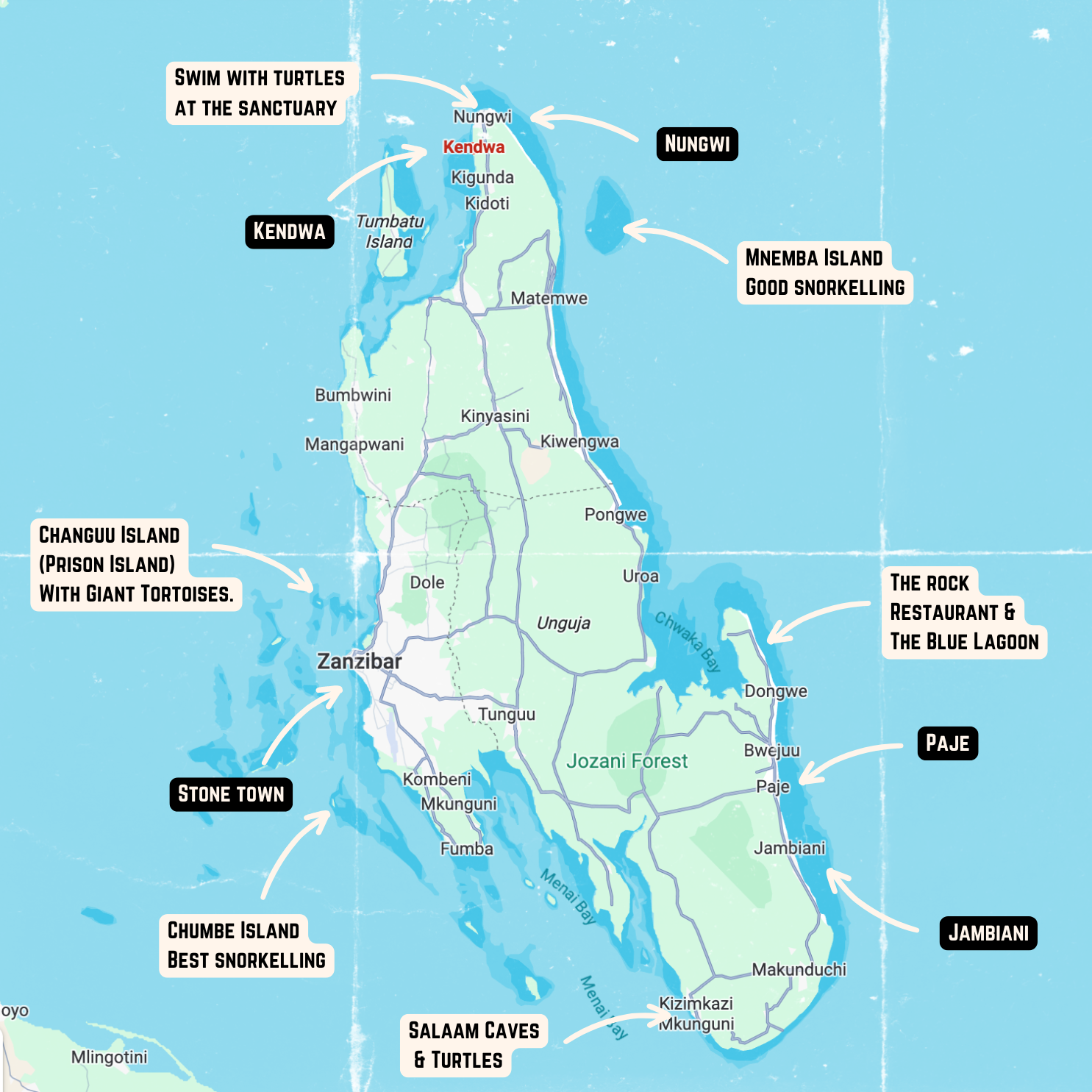
North Zanzibar – Kendwa and Nungwi
Kendwa is a small but vibrant town in the north of the island, and is said to have the best beach in Africa, and the fourth best beach on earth. That’s something! Kendwa is a relaxed little place with some activity in the evenings, nice local restaurants and hotel bars.
Just slightly north of Kendwa is Nungwi, which is a much larger settlement with a much larger selection of beach bars, restaurants, and boutique resorts, ranging from backpacker hostels to high-end luxury hotels. Like Kendwa, Nungwi has picture-perfect beaches where there is still a strong culture of fishing.
Nungwi has traditionally been resistant to tourism and was the last place to allow the building of hotels; however, it quickly became the most visited part of the island. Nungwi is a hub for water sports: snorkelling, scuba diving, and boat trips out to Mnemba Atoll for world-class coral reefs. You need to be aware that there are parts of the reef that are dead, so ensure that if you’re booking with a reputable company.
You’ll also find the Mnarani Marine Turtle Conservation Pond in Nungwi too, where rescued sea turtles are protected. You can swim with them!
The north of the island enjoys the sunset over the beach, and the area comes alive.
There is more to do in the North of the Island and opportunities to relax and party.
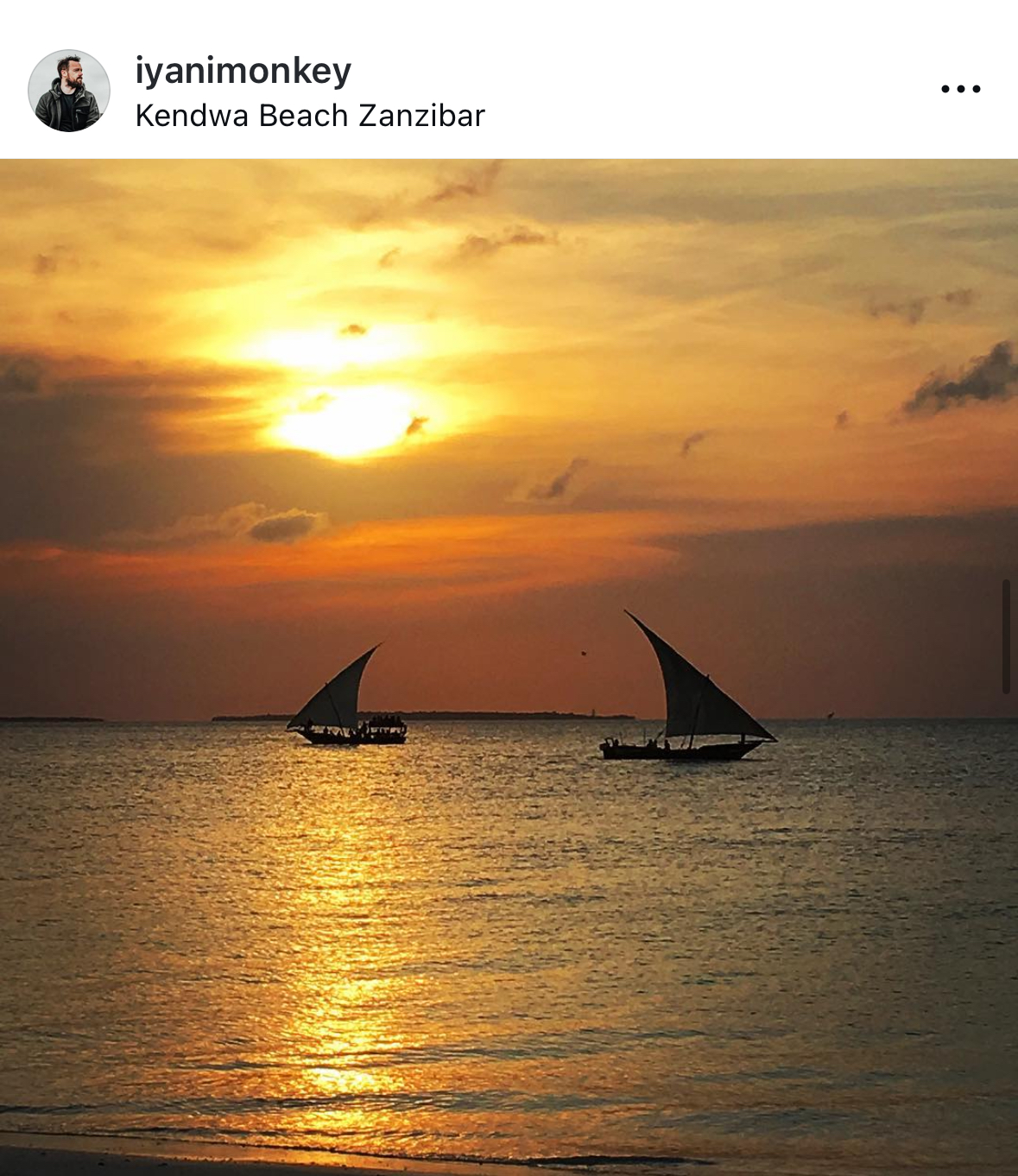
East Zanzibar – Paje and Jambiani (quieter, long beaches with a coastal community).
Paje and Jambiani, on the island’s southeast coast. It is easier to see this area as having a slightly slower pace of life, and it is better suited for families and those who love to spend hours exploring the beach.
In the area, Paje beach is the most popular, and locals will tell you it’s the best place to go. The village has a few attractions and is where the first kiteboarding school was opened in 2007. The reason is down to a very consistent side-onshore wind that blows for most of the year. The village is also close to a lagoon and snorkelling opportunities.
Further down the beach into Jambiani, the beaches are wide, flat, and stunningly beautiful – at high and low tide – with endless stretches of soft sand.
Jambiani, just south, is quieter, with a small fishing village atmosphere where you can see local seaweed farmers at work along the shore. These areas are ideal for those wanting a laid-back beach break. The tides are more dramatic than in the north, so they create opportunities to see something different every day. Whether that’s spotting sea creatures (like starfish and crabs). The long shallow lagoons are perfect for walking, just watch your feet on the urchins.
While nightlife is limited compared to Nungwi, you’ll find beach bonfires and relaxed reggae bars dotted along the sand. For travellers who prefer a little more tranquillity, culture, and space to breathe, Paje and Jambiani are the perfect balance.
This beach is for relaxing and recovering.
Stone Town Of Zanzibar
Stone Town of Zanzibar is the cultural and historical heart of Zanzibar, and no trip is complete without spending time here.
The city is part of a UNESCO World Heritage Site. It’s a labyrinth of narrow alleys, carved wooden doors, and bazaars, and a fascinating contrast to the island’s quiet beaches. It is a busy, bustling city centre that also feels somewhat like an open-air museum. At every corner there is something of unique interest; from the birthplace of Freddie Mercury, to the old Slave Market and Cathedral established by Dr David Livingston (from Edinburgh), the Old Fort and plenty, plenty more.
This is where Zanzibar’s Swahili, Arab, Indian, and European influences come together, most visible in the architecture. It has long been considered a point of power for the eastern trade routes and one of the most important strategic ports in East Africa.
The seafront is lively at sunset, especially around Forodhani Gardens. Stonetown is a perfect base for day trips, but it is usually more expensive than outside of the city. While the beaches in Stonetown aren’t as swimmable as elsewhere, its atmosphere is second to none.
While you can just wander around by yourself, we strongly recommend that you take a guided tour to ensure you don’t get lost (very easy), learn everything you may miss and protect you a little bit from the beachboys and haukers on the waterfront.
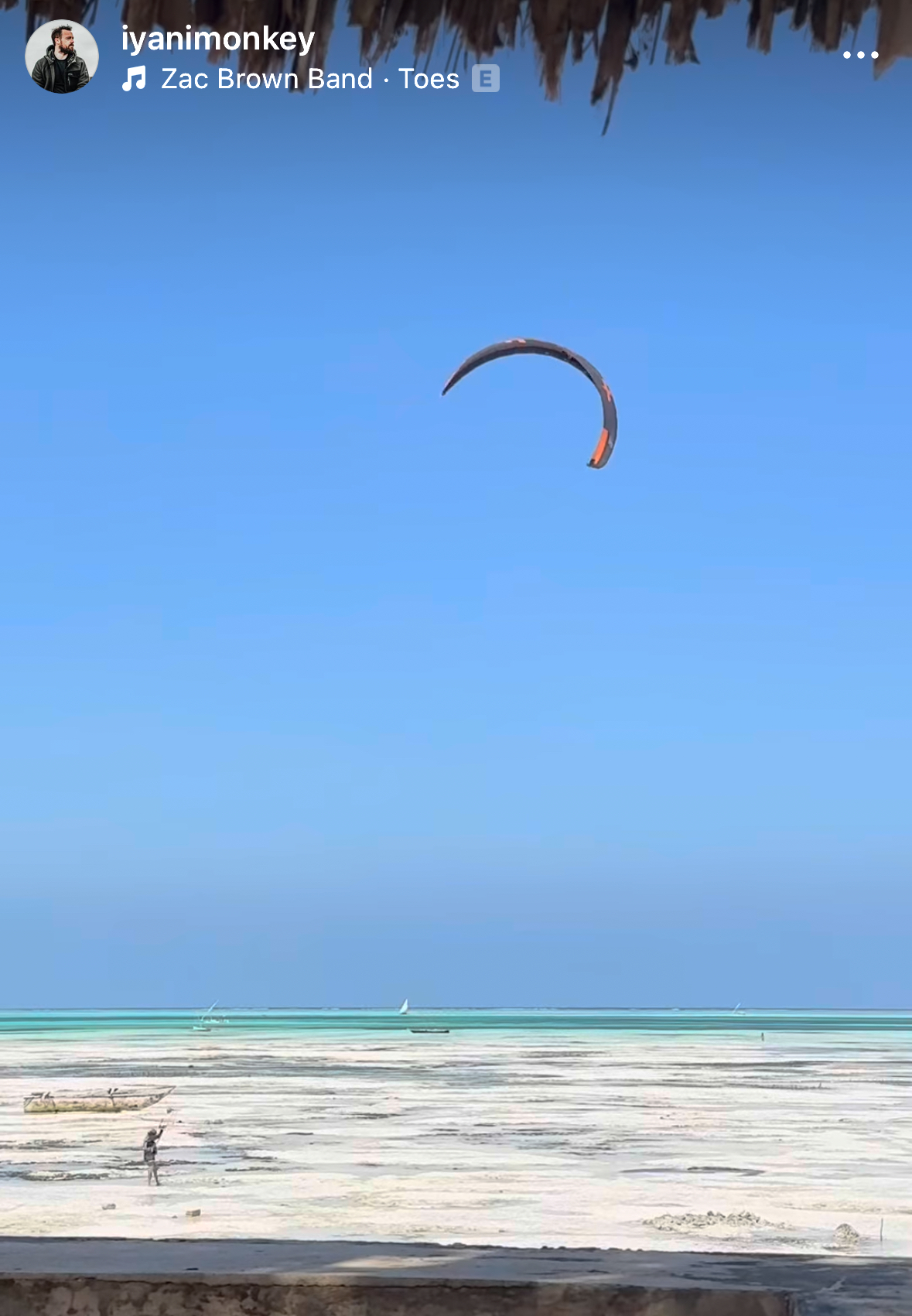
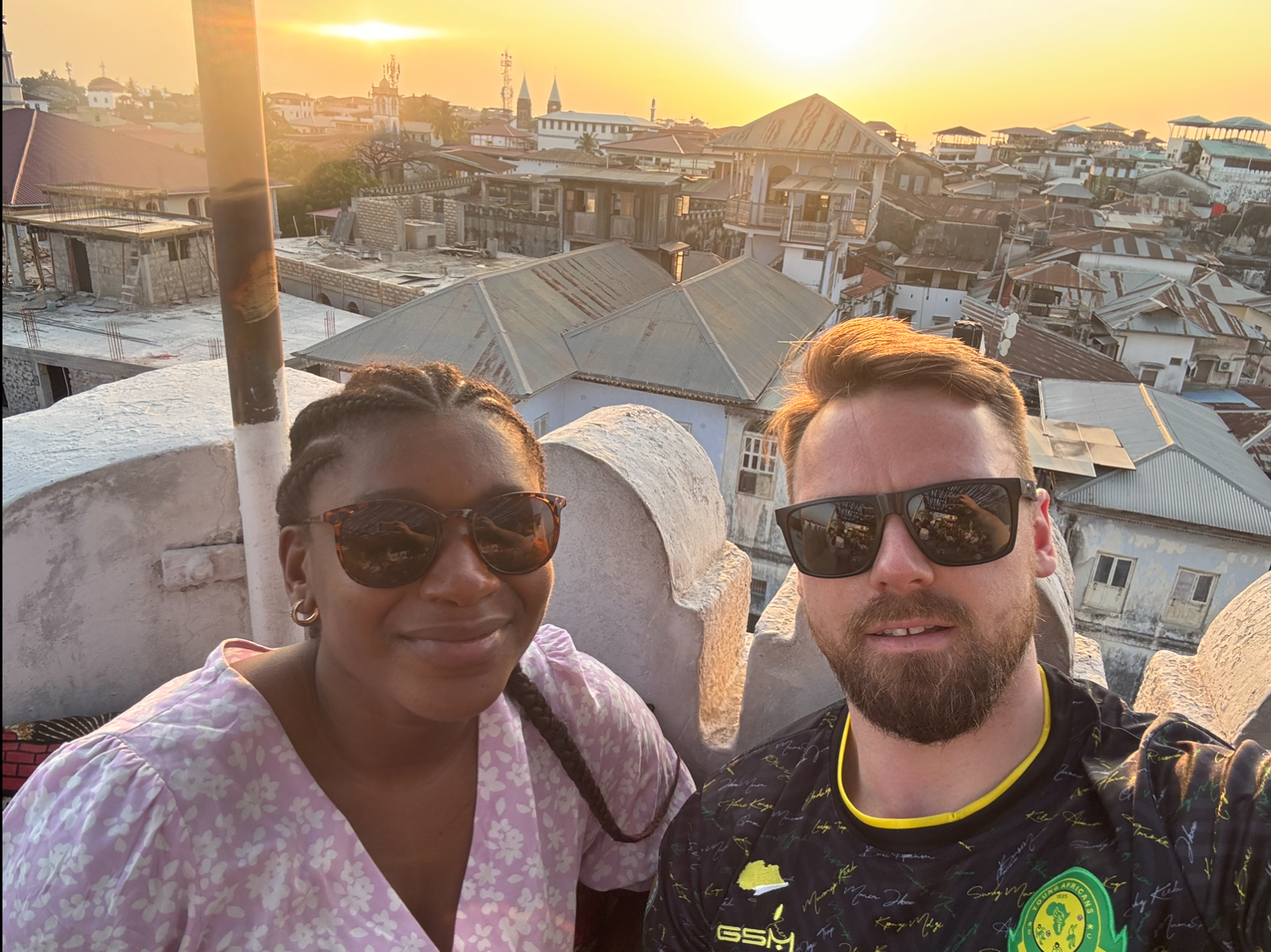
This is where you come for culture, history, and a taste of Zanzibar’s vibrant everyday life. We recommend staying at the Swahili House hotel. It is picturesque, romantic and has stunning views across the city; as you can see below.

 English