

When travellers dream of northern Tanzania, it’s the Ngorongoro Crater, the Serengeti, or the great herds of the wildebeest migration, they think of. But just to the south-west of Ngorongoro rises another giant: Mount Oldeani, a dormant volcano that stands quietly in the background
Towering 3,188 metres (10,459 ft), Oldeani is one of the highest volcanic peaks that form the rim of the Ngorongoro Highlands. Its forested slopes catch the eye as you climb – or drive – from Karatu toward the Crater rim, and on a clear day the views from its sides stretch across the Serengeti, Lake Eyasi, and even to the far-off Rift Valley escarpments.
A Mountain of Volcanoes and Forests
Like Ngorongoro itself, Mount Oldeani was created from ancient volcanic activity. It is part of the great arc of mountains that rings the Conservation Area, alongside Lemagrut, Lolmalasin, and Olmoti. Its upper slopes are covered in montane forest, which act as a vital water catchment for both local communities and wildlife.
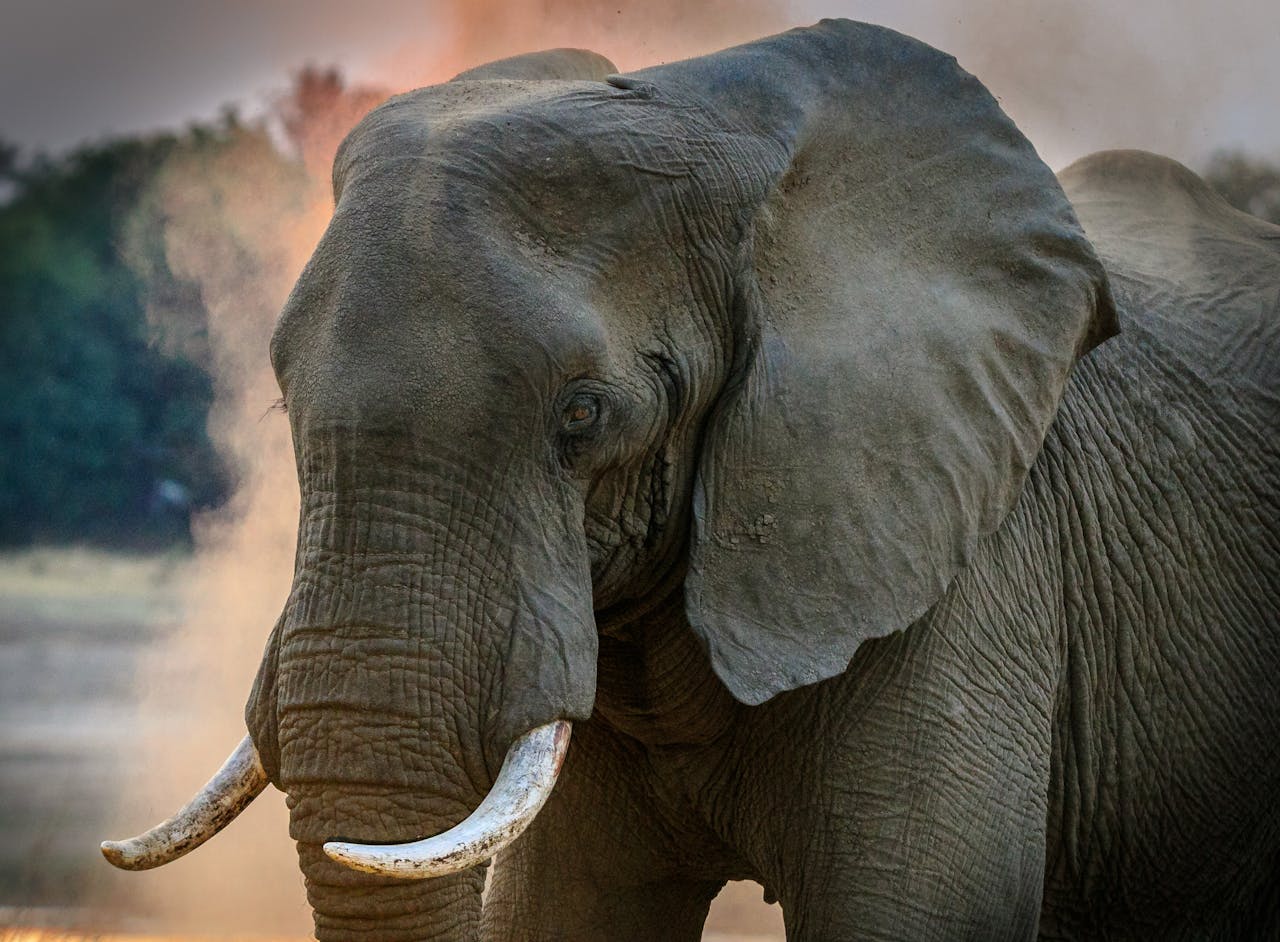
These forests are alive with birds and butterflies, and from time to time large mammals such as elephants, buffalo, and leopards roam between Oldeani and the Ngorongoro forests. For adventurous travellers, guided hikes around Oldeani reveal a side of the highlands far quieter than the busy Crater floor.
Colonial Farms and Iraqw Migration
Mount Oldeani is not just a natural landmark – it also has a fascinating human story. After World War I, German settlers who had lost their estates returned to Tanzania and set up coffee farms. Their arrival encouraged the Iraqw people, whose homeland to the south was becoming overcrowded, to move northward.
The British colonial government supported this migration, designating land around Oldeani as Iraqw territory. During World War II, the area became one of Tanzania’s most important wheat-producing zones, with fields stretching across what is today the Karatu highlands. After the war, the land was returned to the Iraqw, who carried on farming and built thriving communities.
Today, the mountain overlooks one of the most productive farming belts in Tanzania, with Karatu and Oldeani town serving as gateways for travellers heading into the Ngorongoro Conservation Area.
Can you see Mount Oldeani on the Safari Circuit?
For modern safari-goers, Oldeani is more than a piece of history. It’s a landmark you’ll see on your journey between some of northern Tanzania’s most iconic parks:
Ngorongoro Conservation Area – Oldeani lies on the rim of this UNESCO World Heritage Site, home to the “Big Five,” incredible scenery, and the densest population of large mammals anywhere in Africa.
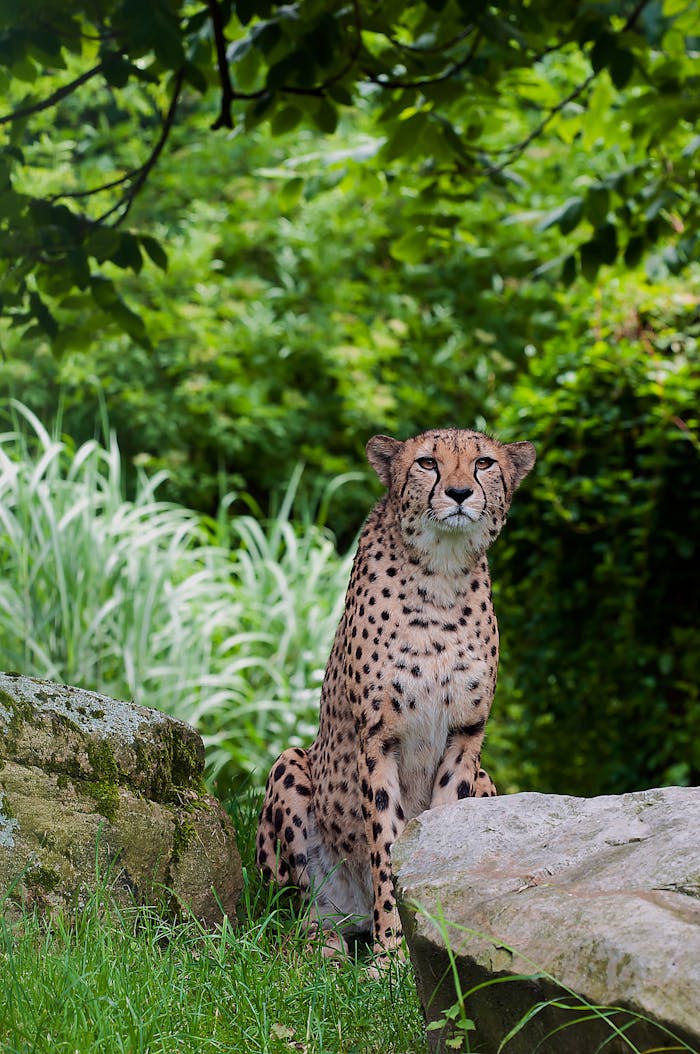
Serengeti National Park – As you drive west, Oldeani falls behind you as the road descends to the open plains where lions, cheetahs, and vast herds roam.
Lake Eyasi – South of Oldeani lies this remote soda lake, where visitors can meet the Hadzabe hunter-gatherers and Datoga pastoralists.
Lake Manyara & Tarangire – Travellers coming from these parks pass through Karatu, with Oldeani marking the climb into the highlands before reaching Ngorongoro.
From a safari perspective, Oldeani is a constant companion – whether you’re approaching Ngorongoro, heading toward the Serengeti, or looking down from the Crater rim at the mosaic of farms and forests below.
Visiting with Tanzania Safari Club
Mount Oldeani is one of those places that adds depth and colour to your safari, even if you never drive up its slopes. When you travel with us, you’ll have the chance to see Oldeani as part of a wider exploration of the Northern Safari Circuit, from Lake Manyara and Tarangire to the Ngorongoro Crater and the legendary Serengeti. Learn more about us, and see Mount Oldeani on your next Tanzanian Safari!
 English