

Always, our first stop is the Tarangire National Park. It may be less well known than the Serengeti or Ngorongoro Crater, but it offers – so some may say – the best game-viewing opportunities in Northern Tanzania, and is home to 3000-year-old Baobabs.
In case you’re curious about the land you’re about to travel to, we’ll dig a little deeper into the Tarangire National Park, its history and what kind of wildlife you’re likely to find there.
Geography & Location
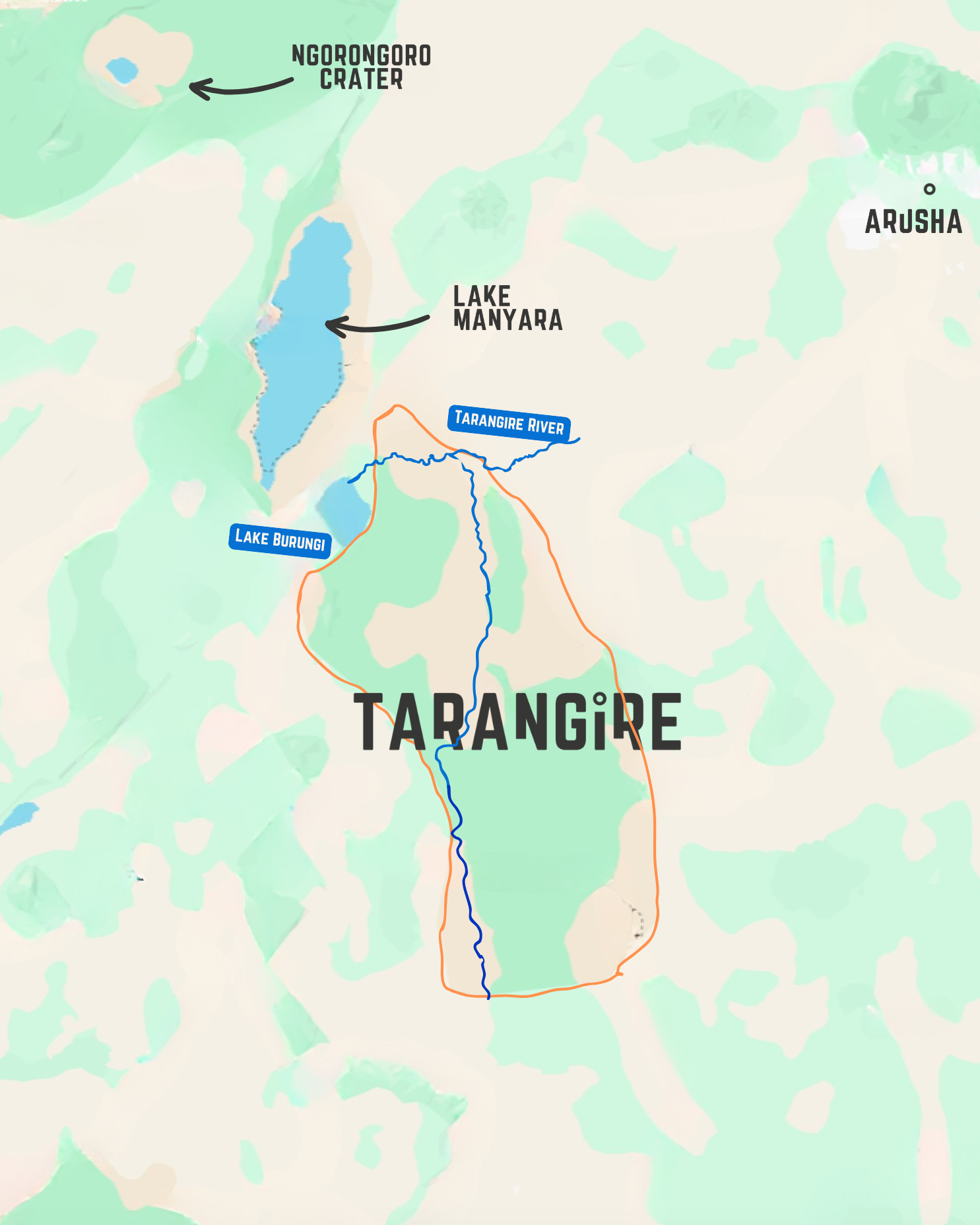
The Tarangire is one of the most accessible game reserves in northern Tanzania. The northern gate entrance is a mere 7 kilometres south of Lake Manyara, and just under 2 hours’ drive from Arusha (about 110 km drive).
The National Park covers an area of approximately 2,850 square kilometres, which makes it the 6th largest national park in Tanzania, stretching from the southern flank of Lake Manyara down into the northern Dodoma Region.
The conservation area is framed around the Tarangire River, which runs directly through the park, and supports it’s enormous wildlife population.
The wildlife move between the Lake Manyara region and Tarangire often, and since a flood in the Lake Manyara national park, the Tarangire has become one of the best places to catch a glimpse of the big 5, and has one of the densest populations of wildlife in Northern Tanzania.
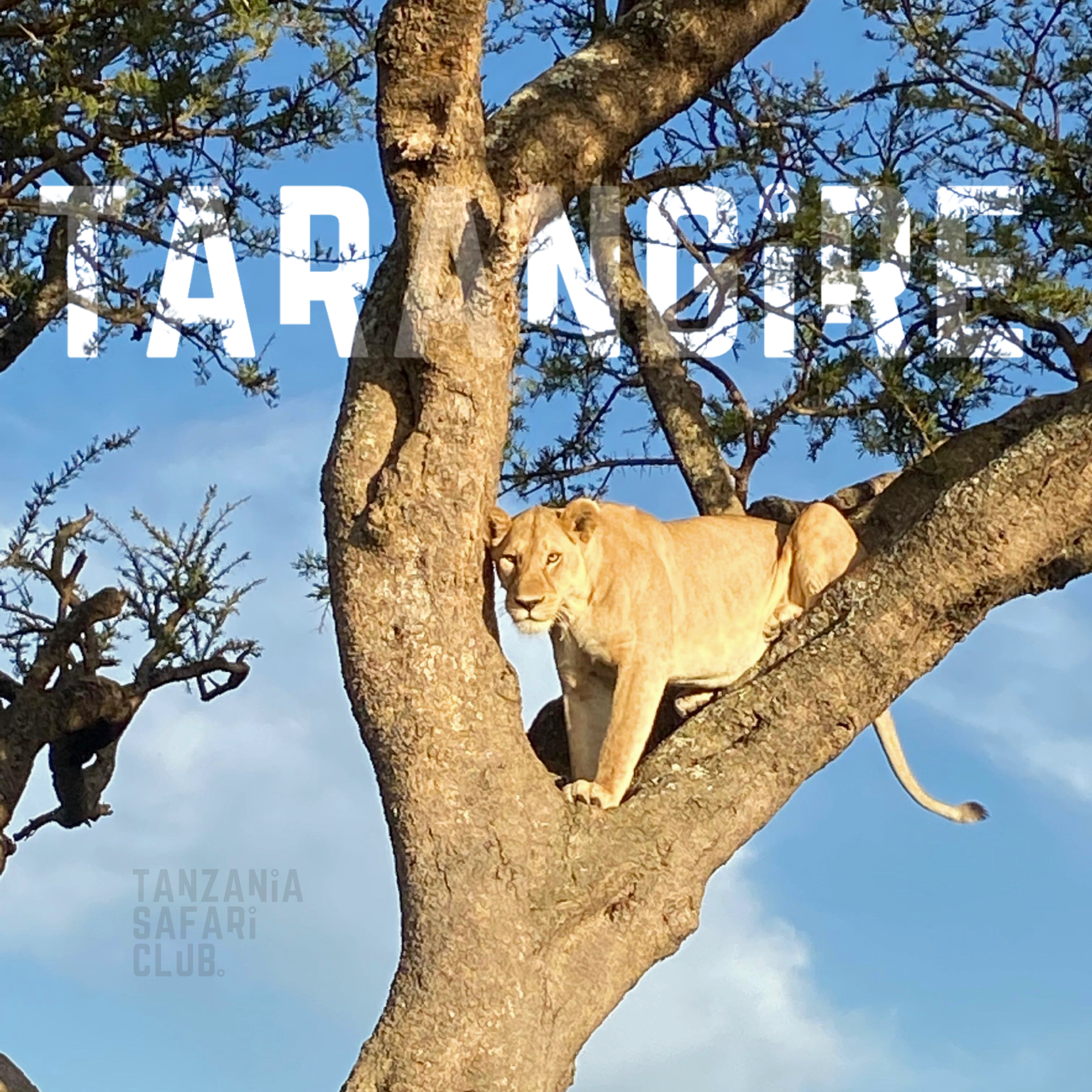
History of the Maasai Steppe Game Reserve & The Tarangire National Park?
The Tarangire, as a National Park, was established in 1970, however, the conservation area is one of the oldest in the country. During the 1890’s, the German Colonial expedition into Tanzania documented it as a noteworthy area of geological significance between Lake Manyara and the surrounding Lake Burungi: an “agropastoral landscape populated by Mbugwe people”. It was clearly seen as a great opportunity for cultivating crops or raising livestock. The ecological importance of the lands south of Lake Manyara was widely acknowledged after Tanzania changed hands to the British, in the years after the First World War, too.
Through the 1940s, and into the late 1950’s, the land was hotly disputed; the debate between campaigns to transform the land for agricultural use and calls to protect it as a game reserve raged late into the 50s. The matter was definitively settled by 1957 as the Tarangire Game Reserve was first gazetted, as part of the “Maasai Steppe Game Reserve – which also included Lake Manyara. It was not until 1970, however, did the Tarangire gain it’s “National Park” status by the Tanzanian Government.
What makes the Tarangire Special? 3000-year-old Baobab trees & the Great Migration of Tarangire
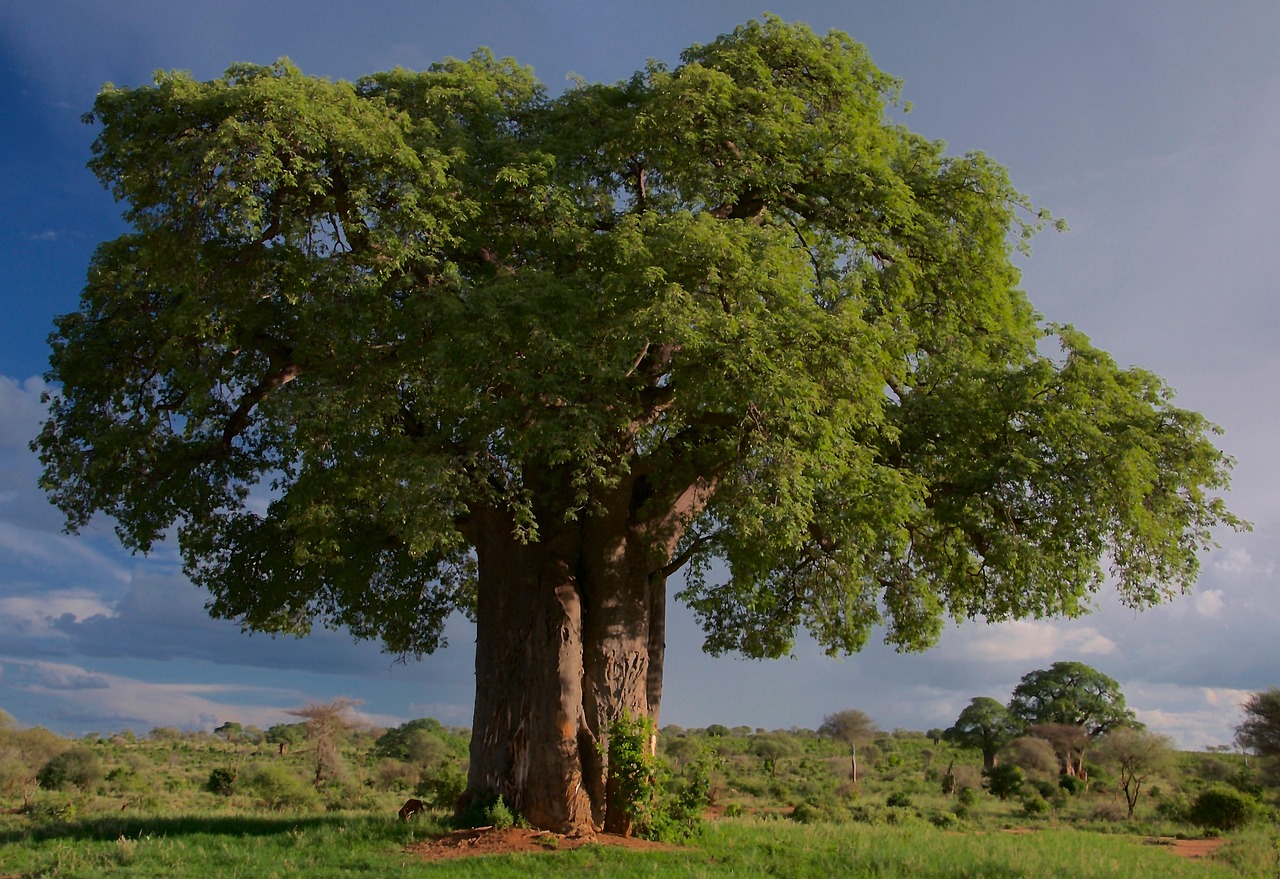
There is plenty to make the Tarangire conservation area special. If it’s not big 5 living right next to each other, and a huge amount of biodiversity, it could be the enormous baobab trees – some as old as 3000 years.
These trees are giants of the savannah, some reaching up to 30m in height, and up to 10m in diameter. The trees produce a fruit called Ubuyu, which is extremely popular across the country.
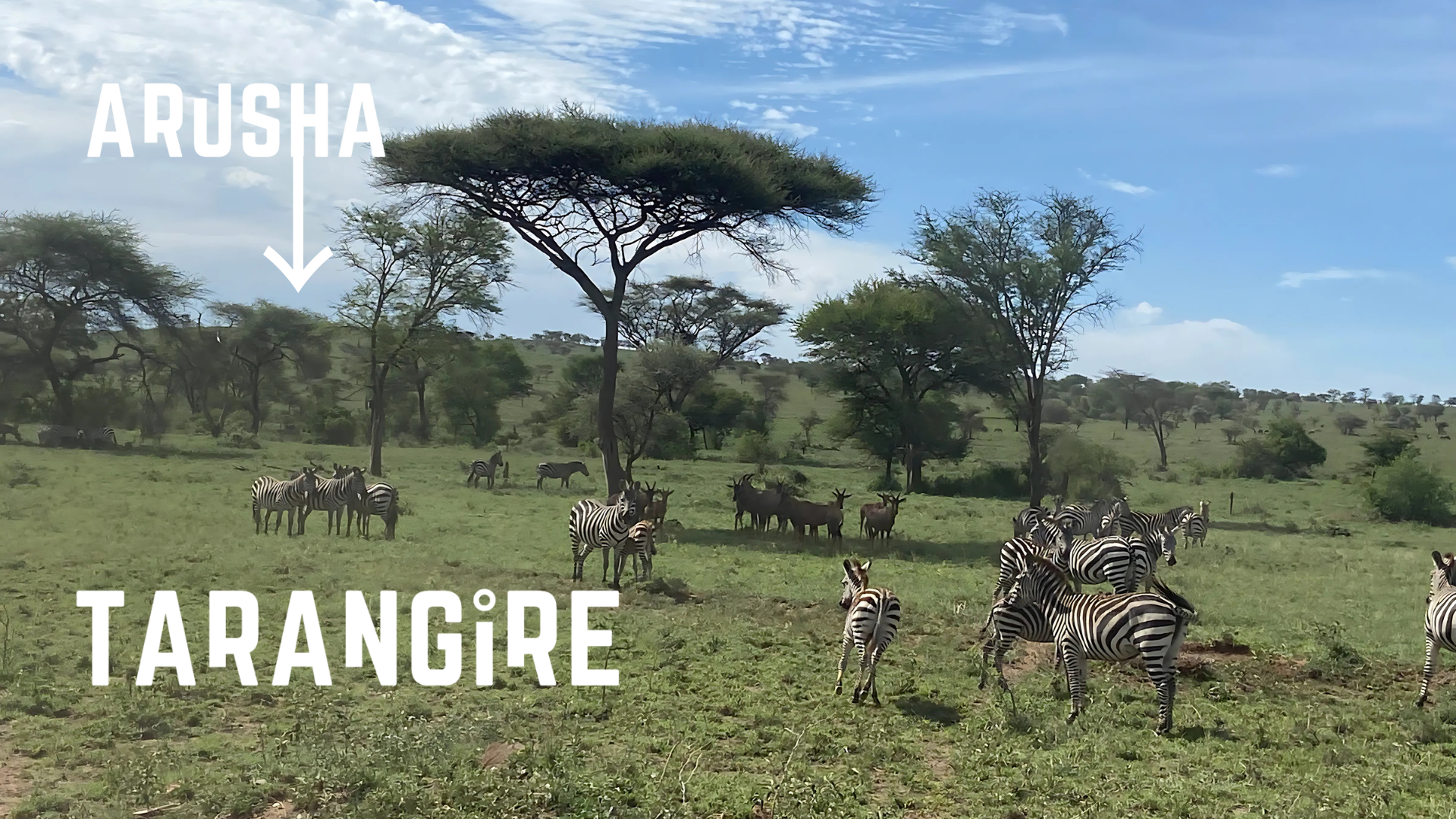
Similar to the Serengeti’s Great Wildebeest Migration, Tarangire has its own seasonal migration of wildebeest, elephants, zebra, giraffe, antelope, warthogs, buffalo and birds. Each year, the animals migrate across the park in order to find fresh water sources and untouched grazing spots.
The majority of the migration takes place during the dry season – June, July, August, September and October – when the swollen rivers, streams and swampy marshlands retract into precious trickles of life.
Unlike the Serengeti, where Wildebeest lead the way, it’s the Tarangire Elephants who – quite literally – create a path where other animals can follow. As the herd migrates towards fresh water sources, it flattens the trees, bushes and vegetation that would otherwise present an impassable obstacle for smaller animals. As you may expect, the cluster of animals together makes a great hunting opportunity for predators.
As the rains, short rains in November and longer rains in April and May, replenish the water, the animals spread back out across the park.
Best time to visit Tarangire National Park
Thankfully, the Tarangire is a fantastic place to visit all year round. The dense populations of animals ensure that there is plenty to see all year round.
The dry season is the busiest time of the year – and coincides with peak season and the famous river crossings in the Serengeti. At this time of year, you’ll see the herds of elephants making their way across the park to find water – followed by antelopes and wildebeest, and stalking predators.
The rains are less popular, but ideal for bird watching and observing the big 5 in more peaceful surroundings. The only drawback of travelling in the rains is accessibility – and your comfort!
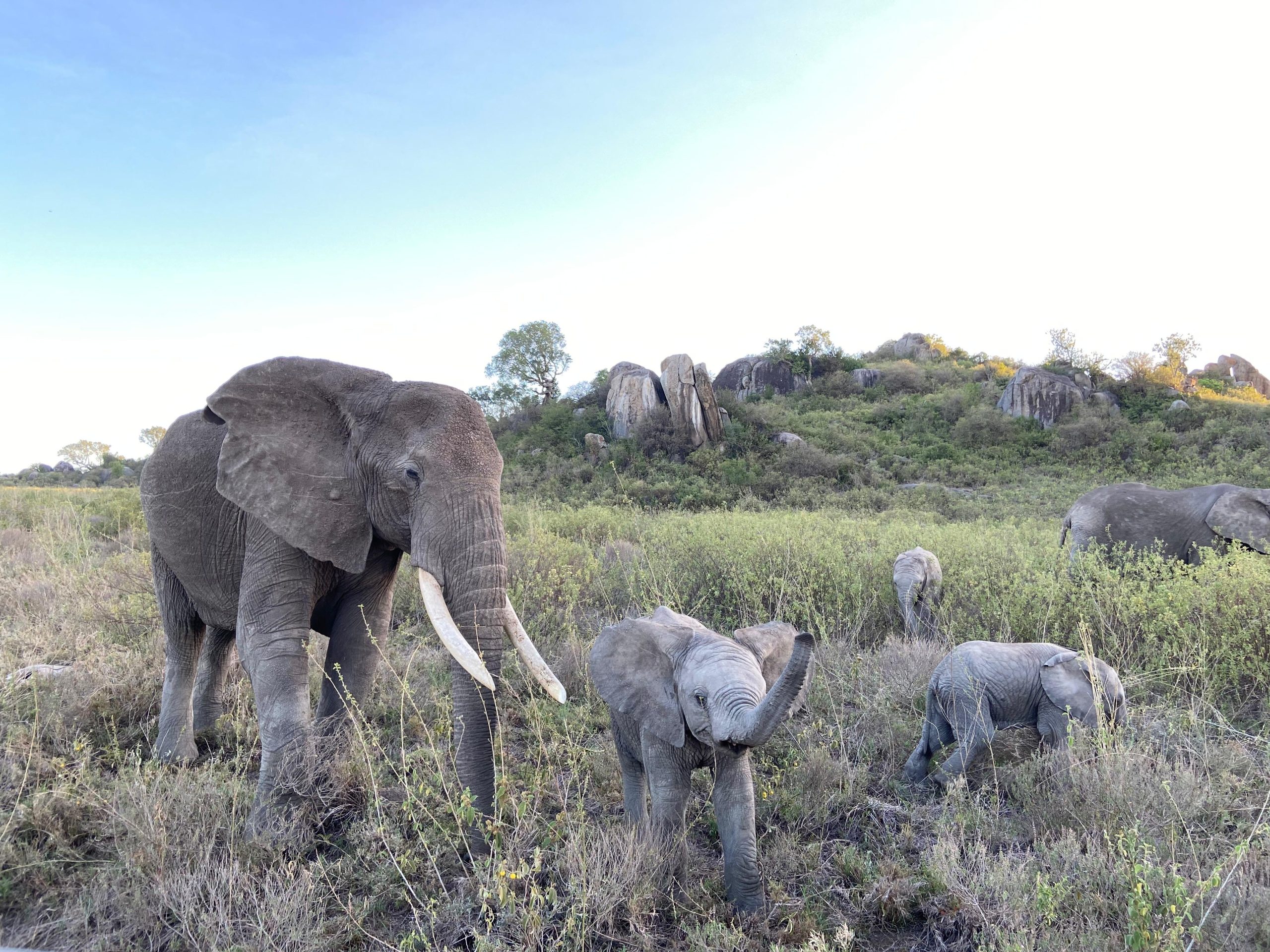
What Animals can you see in the Tarangire?
Tarangire National Park is renowned for its biodiversity and ecological significance. The park’s ecosystem is vital for the few endangered and threatened species, like the elephants, lions, leopards, and cheetahs. The rains bring over 550 species of birds too.
- Elephant (between 2,500 and 3,000 in )
- Cape Buffalo (est. 5,000)
- Zebra (est. 22,000)
- Wildebeest (est. 14,000)
- Maasai Giraffe (est. 400)
- Impala (est. 3,000)
- Eland (est. 1,500)
- Grant’s Gazelle (est. 2,000)
- Waterbuck (est. 1,000)
- Dik-dik (unknown)
- Vervet Monkey (unknown)
- Olive Baboon (unknown)
- Banded Mongoose (unknown)
- Dwarf Mongoose (unknown)
- Lion (est. 250)
- Leopard (unknown)
- Cheetah (unknown)
- Caracal (rare but occasional sightings)
- Honey Badger (rare)
- African Wild Dog (occasional visitors – small roaming packs)

 English