

If you were to ask which part of Safari created the most valuable memories for us, it would be Lake Natron. While the variety of wildlife is limited when compared to the Tarangire, Serengeti or Ngorongoro Crater, the Natron area offers an altogether different experience.
It’s hard to put a finer point on it: Lake Natron is one of the most scientifically – and ecologically – important places on Earth. It has all the elements that put Tanzania at the front of the best Safari destinations on earth, and as a result, the lake sparks enough intrigue for it to collect rumours and myths.
Swirling around Lake Natron are myths and misunderstandings, stories of acid-scorched earth, acrid waters that burn human skin and turn you into stone. Petrified animals who dared to venture into the murky depths of Mars-like water.
Our job today is to dispel the myths and help you understand where they come from, and what Lake Natron is truely like. Hopefully, along the way we can put the exaggerations aside, and share the fascinating – and true- reality of this magnificent location.
Myth: “Animals and Humans instantly turn to stone when they touch the water”
We’ve all seen the iconic photos of “petrified” birds found in Lake Natron. Hauntingly cast into stone where they perched, serving as statuesque warnings for anything that passes too close to the caustic shoreline. The photos were taken and published by Nick Brandt as part of his 2010 – 2012 Across the Ravaged Land portfolio. Hauting enough to have inspired the myth that Lake Natron turns both animals and humans into stone.
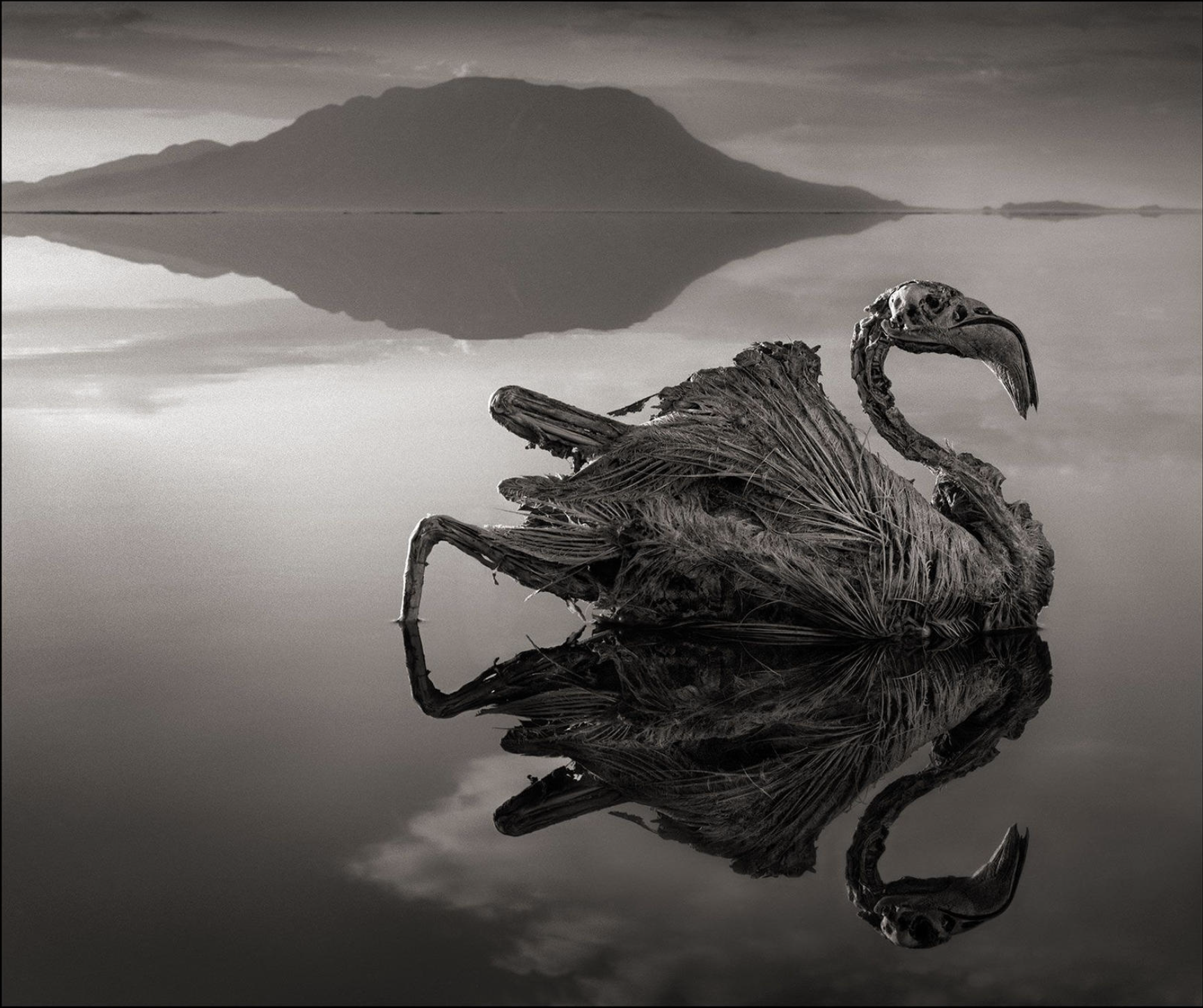
People ask: Why does Lake Natron turn humans to stone? The real answer is: it doesn’t.
The misunderstanding is derived from the fact that Lake Natron is a ‘soda lake‘, also known as an alkaline lake. They are identified by high concentrations of carbonate salts, which turn the water slightly alkaline (PH between 9 & 12). Lake Natron averages around a PH of 10.5,
The “petrified” animals are calcified over a long period after their death. After the animal has died, the bodies wash in the water, the feathers slowly collect a coating of sodium carbonate, calcium carbonate, and silica. The process, known as permineralisation, slowly replaces organic material with minerals and therefore, creates a “stone-like” fossil.
The truth is, many Maasai people wash their feet in the water to remove the tough skin on their heels and soles. To our knowledge, yet, we have to meet somebody who has been turned (at least partially) to stone.
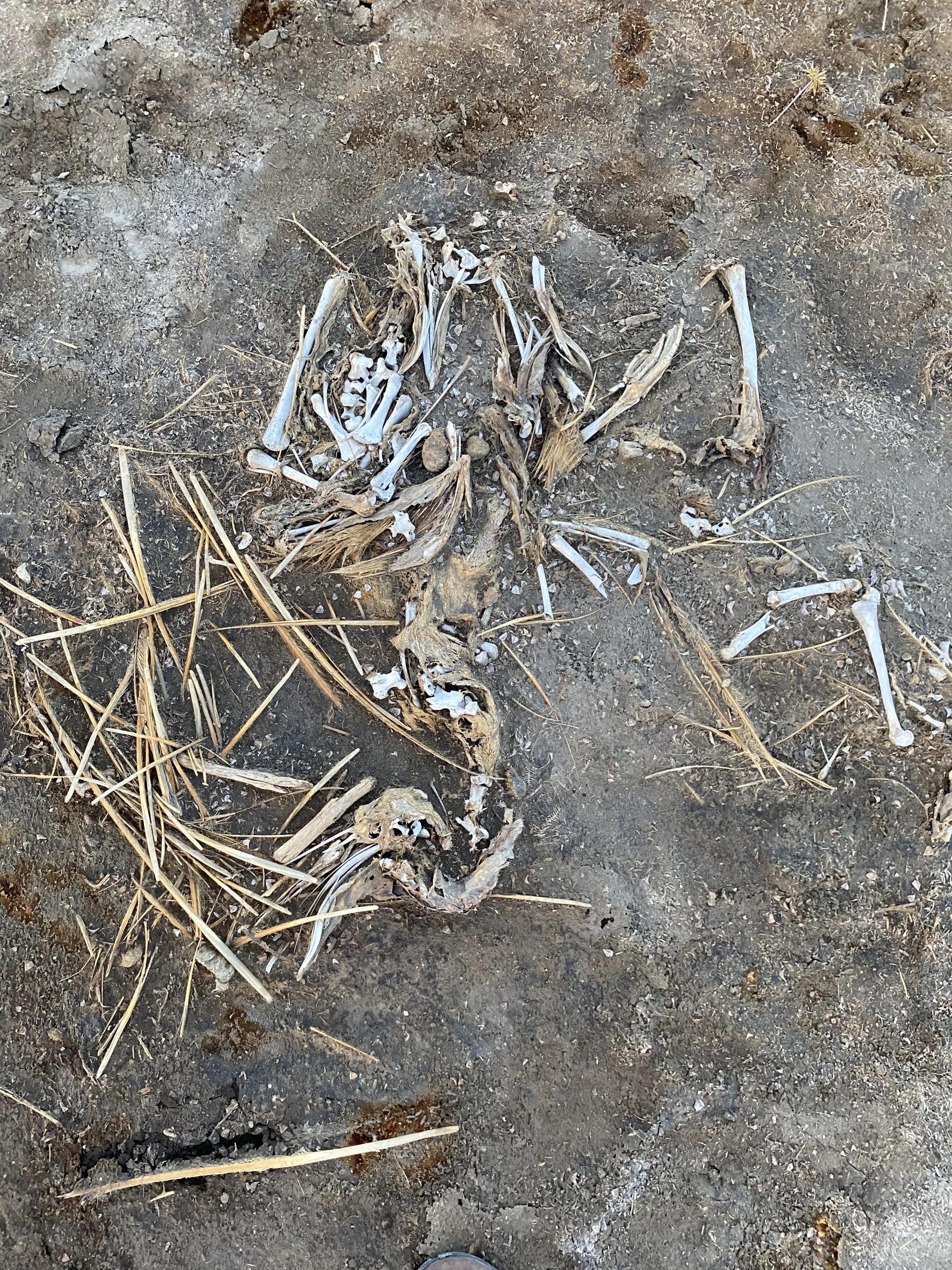 This is what the animal remains look like, taken on the shores of lake natron.
Myth: The lake is red/blood-red in colour, and it’s because the water is poisoned or dying.
Let’s address the two myths here, the first being that the water is blood red, and the latter that it’s poisoned or dying.
“Why is Lake Natron Blood Red”
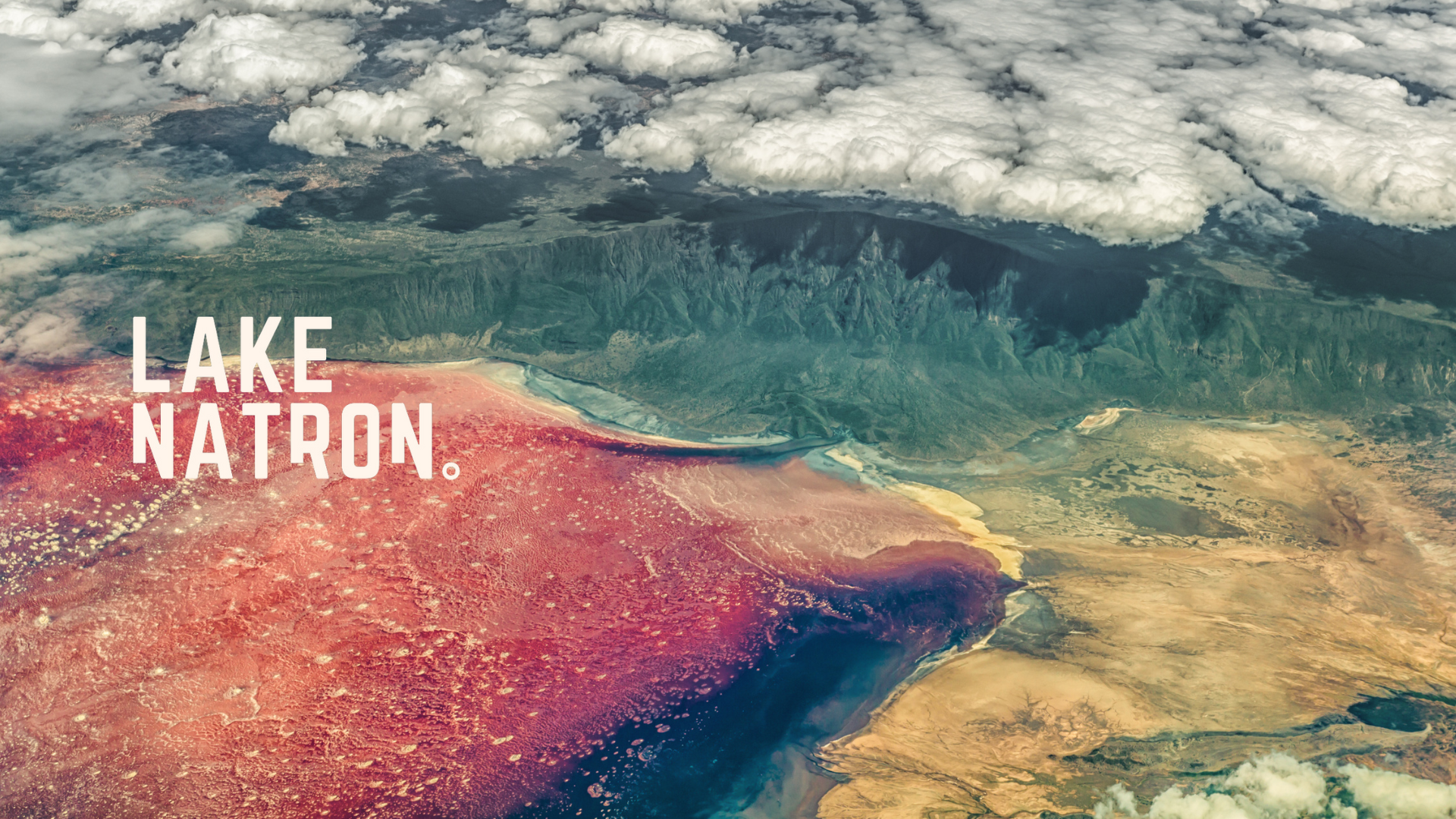
Interestingly, the photos of Lake Natron’s water wildly misrepresent the reality. On our first trip to Lake Natron, we were shocked: the water looked, well, like water. What makes the water appear red is the time of year and the perspective the photo was taken. Oftentimes, some post-production editing has enhanced the red hue.
At the height of the dry season, the Tanzanian sun bakes the Lake Natron into an alkaline salt brine, which creates the perfect environment for halophilic microorganisms to thrive. They survive in the saltiest places on earth and are identified by their red hue.

When standing on the shore of the lake, you can see that the water appears red, not because it is, but because the earth and sand take on a red, salty appearance. The dry season leaves large swathes of hostile-looking Martian landscapes that, from above, give the landscape a caustic appearance, as if the water were red.
The trend colour to the wonderful colours produced in Salt Farms in the Algarve, in Portugal.
Whether the water is poisonous, therefore, depends on the seasons. At the height of the dry season, the water is extremely salty and alkaline, making it potentially harmful if drunk. As the rains fill the lake back up and reduce the concentration, it becomes much softer. It is drinkable at this point, and the red mars-like hue becomes much less obvious.
Myth: “The lake is extremely dangerous and will burn your skin.”
There is some truth to this; the Lake is not one that the locals go swimming in regularly. That does not mean that the lake is particularly dangerous. The Alkaline concentration of the lake’s water varies between PH9 and PH12 depending on the seasons. At the lower end, 9PH is considered to be a soft alkaline solution. It is possible to drink the water, but it’s not recommended. It could result in hyperkalemia (high potassium levels) or kidney disease.
At the top end, PH 12 solution is similar to the caustic effects of heavy-duty detergents and slightly diluted bleach.
As a guest, it’s very unlikely that you’ll be walking or swimming near the parts of the lake that are particularly caustic. The Maasai often use the water for cleaning or washing the hard skin on their feet. The gentle alkaline helps loosen the skin, removing the rough, dead skin.
So, is Lake Natron extremely dangerous? No. Its water does, however, have the potential to cause itchy skin, burn your eyes and or make you sick if you drink it.

 English