

There are very few remaining examples of indigenous tribes that hold onto the cultural practices that have been with them for thousands of years. On the northern coast of the magnificent Lake Eyasi, live the Hadzabe, a tribe that retains hunter-gatherer practices and an egalitarian society.
Remarkably, is that the Hadzabe still walk the same sands as the ancestors of humanity who lived in the Olduvai Gorge – home to early humans approximately 2.1 million years ago.
As the temptations of modern life are pushing our ancestral way of life into the sands of time, similarly, studies have another worrying erosion of our own making: the slow destruction of healthy gut biomes caused largely by the Western diet.
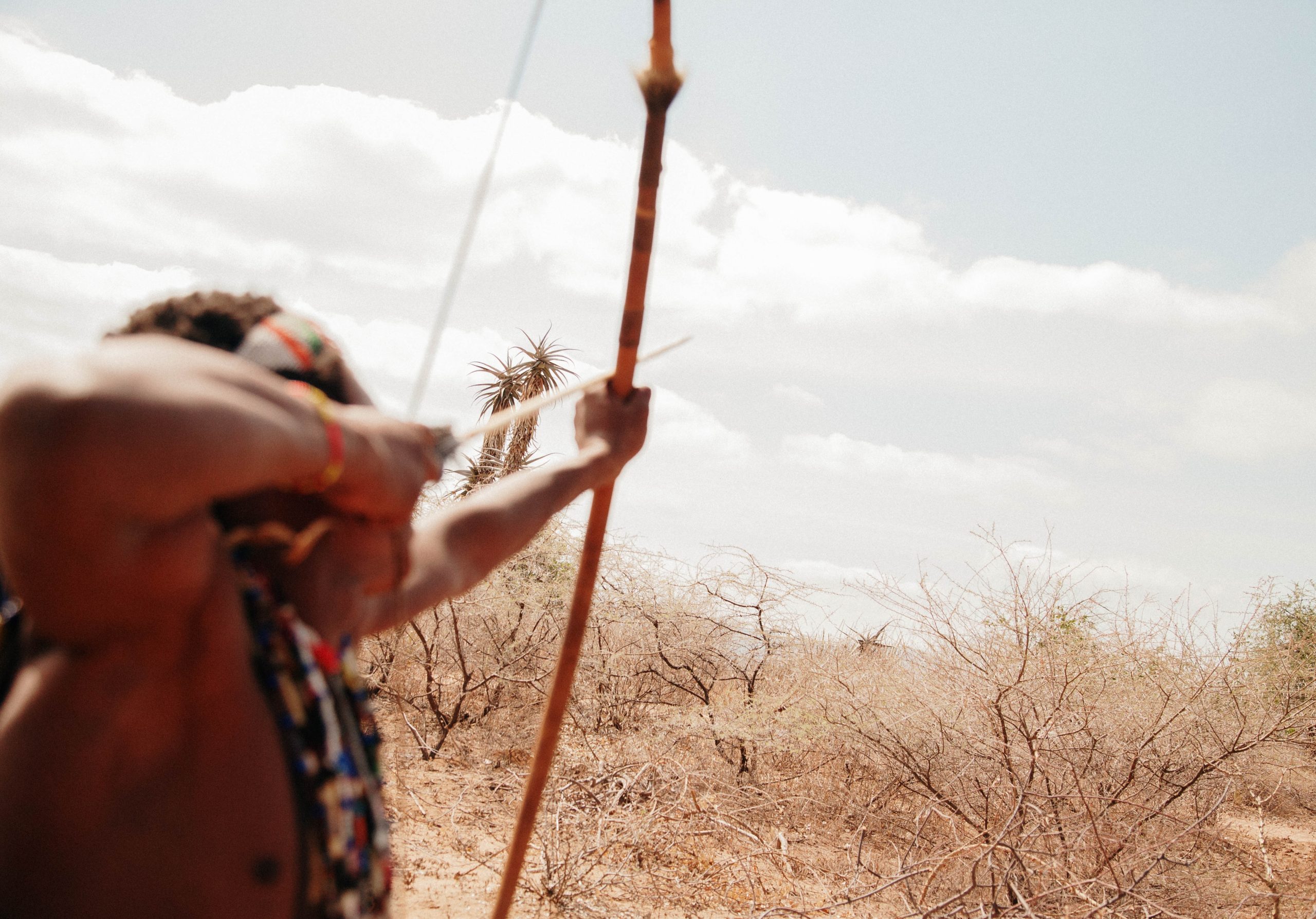
Following a 2014 study that found the Hadza have unusually microbial richness and biodiversity, a 2017 study, published in the Science Magazine, compared Hadza gut microbiome cultures with 17 other populations, including other hunter-gatherer tribes from Venezuela and Peru. The researcher found something completely unexpected: The Hadza’s gut biome is seasonal.
Researchers noticed the change was influenced by seasonal availability of foraged foods; while the Hadza eat a diet of meat and honey in the dry season, their gut microbes resemble those of Californian Americans. The surprise, as their diet switches to berries, roots and baobab fruit during the rainy seasons, a colony of “lost” microbes return again.
The descovery provided foundational evidence that, in fact, the gut biome is “plastic” and can be moulded and changed depending on our diet; what’s more, “lost” bacteria can be recovered with a simple dietary change. The call to action is to reduce our consumption of fat and increase our fibre intake.
Unlike in industrialised societies, which are often low in fibre and high in sugar, has wiped out many gut bacteria, the Hadza’s microbiome naturally regenerates. On average, the Hadza eat up to 150g of fibre per day, which is about 10× more than that of the average Californian American.
Supporting evidence from a more recent study, published in 2023, looked at cultures of gut resident species and compared the Hadza samples with individuals from a range of industrialised populations. They recovered 91,662 genomes of bacteria, archaea, bacteriophages and eukaryotes, and 124 of them are no longer present in industrialised communities.
The discoveries have provided a clear sense of how much our modern lifestyles are affecting our health and wellbeing; a key takeaway is that our industrialised gut seems to be enriched with genes associated with oxidative stress and a microbiome adapted to deal with inflammatory processes, potentially pointing towards our current diets and lifestyles increasing rates of chronic inflammation.
The Hadzabe are our connection to where humanity has come, and likely helping us understand how to move forward in our modern world.
Fancy building a connection with the history of humanity? Meet – and hunt – with the tribe on one of our curated Safari adventures.

 English