

Introduction
The idea of travelling to Africa to see the Animals is exhilarating. You’ve seen the pictures people have posted online. You’ve probably heard their stories, and you’re getting excited about experiencing it for yourself. This is a life-changing experience, you think, and imagine the wonderful things you can see and do.
So, you look online and start to read more. You start learning about Tanzania – the Serengeti, the unique biodiversity of the Ngorongoro Crater and the red waters of Lake Natron. How do I see all of these animals and amazing places in a few days?
You’re not looking for a high-end luxury package, and after all, it’s very expensive, and what you really want is an authentic experience. Not a package all-inclusive holiday – an adventure of sorts. Tanzania seems like the ideal place to go!
With some more research, coming across things you’d not considered: park fees, taxes, insurances, meals, and which accommodation to stay in? There isn’t much information on how much these things cost, either. What’s available doesn’t seem reliable.
With more time, you stumble on a few bad experiences on forums or review platforms. You’ll read stories of people being scammed, robbed or intimidated. The campsite facilities are terrible, and the holiday was nothing like what was sold to them. There were no animals, and they spent all day in a car.
Even now, you’re still excited – not everybody seems to have hated it – and you ask a few questions and for prices. You get bombarded with itineraries, harassed by sales representatives, and the numbers don’t add up. Your mind is swimming with routes and figures that seem to change on a whim.
Permits. Park Fees. Insurance. Registration numbers, TATO membership (Tanzania Association of Tour Operators) – does that even make a company trustworthy, you ask?
What should be the start of an exciting adventure becomes overwhelming, frustrating and a little bit scary. Usually, these things are taken care of by travel agents, but when travelling in Tanzania, you need to think about everything yourself.
As we say in Swahili – Amna shida! No worries.
If this sounds familiar, then you’re not alone. It is the experience of many people’s first safari!
This is why we set up our company: to bridge that gap and help visitors find the enriching and unforgettable experience they are looking for.
So, if you’re feeling a bit overwhelmed, we’ve put together a guide to help you.
What to expect from a Driver/ Guide/ Company
What to expect from Tanzania
Our Advice for a First-Time Safari
What to expect from a Driver/Guide
In Tanzania, the drivers and guides come in all shapes and sizes. From experienced multi-national park rangers and explorers, hotel drivers and those working in the informal guide industry, it’s common that every Tanzanian has at least one distant relative who does safari tours (in one form or another).
There are two main issues guides face with guides who are inexperienced: they get lost, and the truck breaks down. Neither are particularly fun.
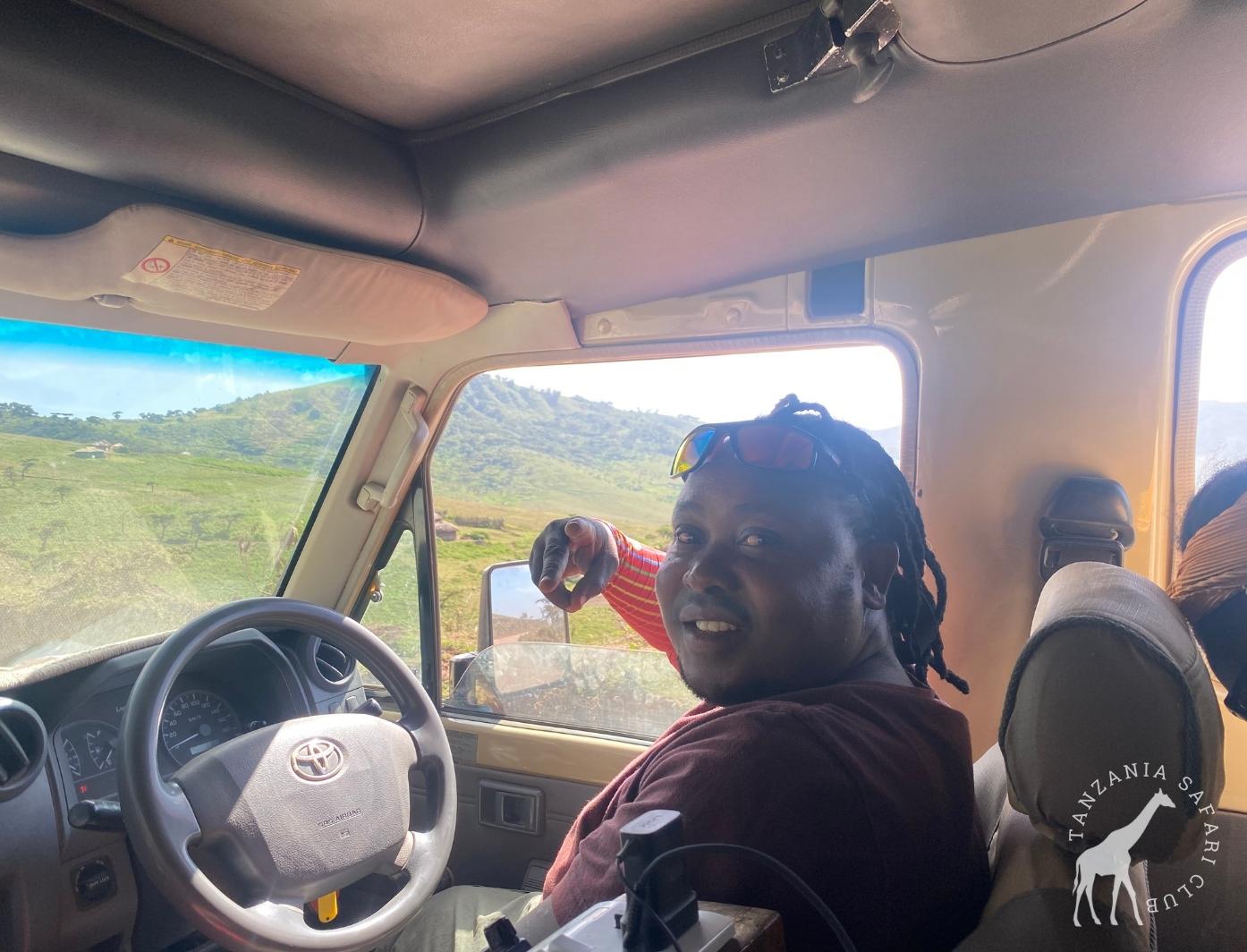
If you’re looking for a stand-alone driver, we have a little checklist that may be helpful. We always ensure all of the drivers, guides and local Tanzanian partners we work with have all the correct accreditations and documentation.
- Vehicle Insurance (Jubelee, or NIC).
- Guest insurance (like Amfref).
- Registration Number with TATO (the TATO website is not up to date with all members).
- First Aid Kit & trained in basic first aid.
- SOS phone or emergency recovery support.
- Emergency contact list (company HQ, local ranger posts, hospitals).
- Step-by-step itinerary document (Briefing before departure, accommodation outline, locations and clear)
What should you expect from travelling in Tanzania?
We often see complaints online and see that they are often caused by expectations not meeting reality.
In this section, before you book or travel, we’ll do our best to prepare you for some realities. We believe that just a baseline of understanding about Tanzania will help set your expectations and ensure you make the most of your first time on Safari.
- Tanzania can be hectic!
- Lots of time in the Car.
- No such thing as 5 star in the bush.
- Safari isn’t as wild as you think.
Tanzania can be hectic.
Tanzania is such a dynamic place to be. Things move and change constantly, and consistency is a luxury. It makes the country fun, exciting, interesting and exhilarating, which is why we love it so much. It’s the opposite of the UK, USA and most parts of Europe, where things are more structured and familiar. The change can be a shock in you find comfort in consistency.
There are two things to prepare for: cultural differences and poor infrastructure.
Cultural (hawking)
Tanzania is culturally different compared to much of the world. This is exactly why you should travel to Tanzania and learn a new way of living and approaching life!
We read a lot of online comments, saying they felt harassed, bothered and intimidated. Often, it’s because guests are unprepared or do not know how to deal with hawking.
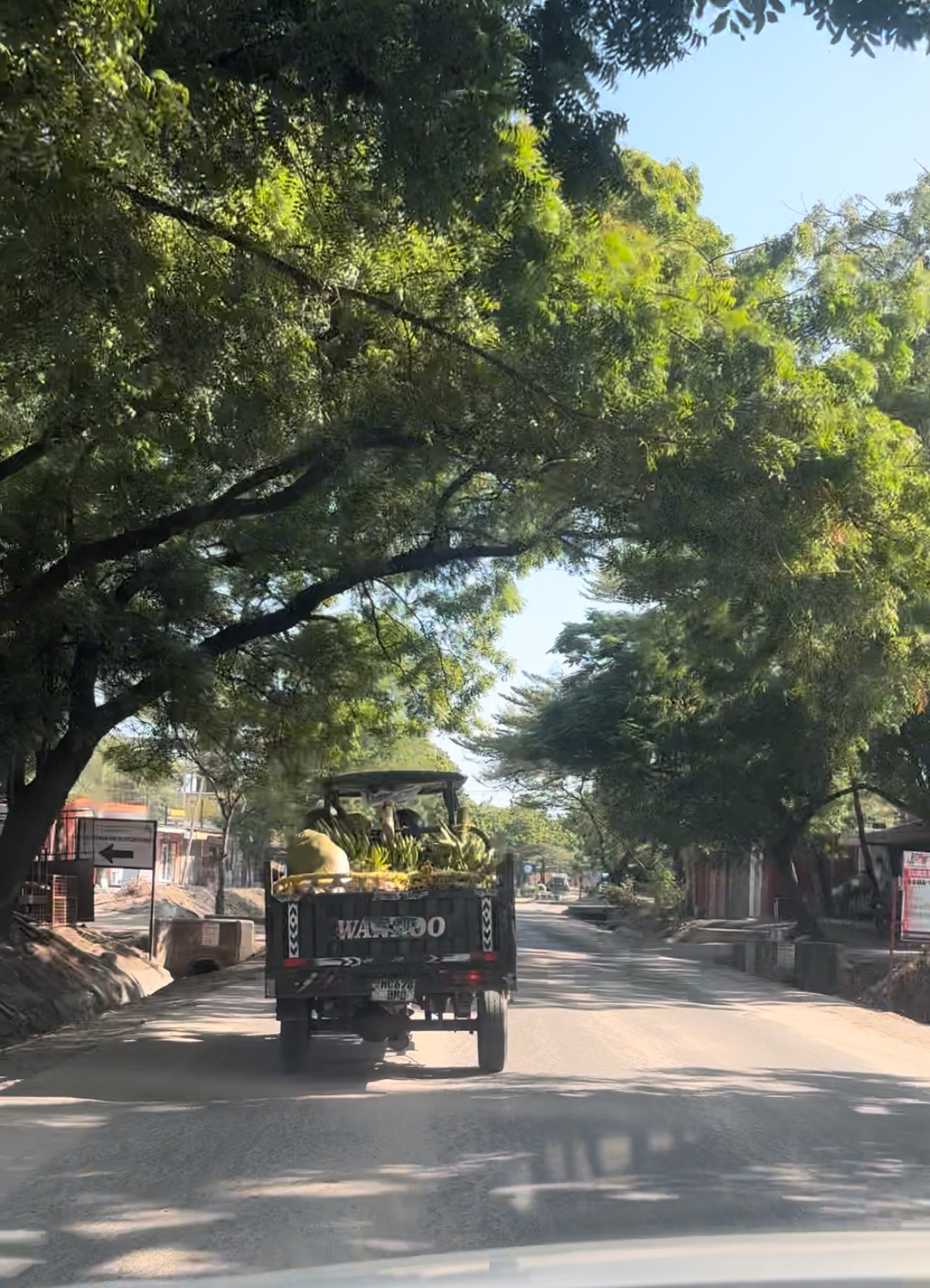
When you travel in Tanzania, you’ll feel this busy energy as soon as you leave the airport. People will come to speak to you, ask you questions and try to sell you things. This will likely happen throughout your trip. It can be uncomfortable at first if you’re not expecting it or if you are unaware of how to deal with it. Don’t worry! You’ll get used to it and start to enjoy the process of engaging with people. Think of it this way: the challenge pushes you outside your comfort zone, and that’s all part of the fun!
Be confident, calm, polite – but firm where you need to be.
Cultural (service)
Many people say the customer service is lacking in Tanzania, but this is often felt as we have different expectations as visitors. Like takes a slower pace in Tanzania; therefore, there is a good chance the service may be slower than you expect. It is also customary to call your server, so don’t be afraid to wave at them if you need something.
In the tourist areas, the staff are well trained to cater to western customers, so, you may not encounter any issues.
You’ll see that the people of Tanzania are warm, welcoming and proud.
Cultural (Values & Traditions)
Another aspect that causes concern with visitors is the cultural and religious differences. Tanzania has a conservative culture, and it is not uncommon for people to comment on what you’re wearing. There is a rough 50/50 split between Christianity and Islam; both communities are conservative and may be offended by women (and men) wearing short clothing.
Just be mindful of where you are and whether you should cover up to be respectful. On safari, outside Arusha, this is rarely an issue.
- It can feel scary and overwhelming at first.
- People want to come and chat, and that’s quite normal (it’s unusual in Europe, which is why we mention it)..
- Service may be slower, so be patient.
- Show respect to elders and the conservative.
Infrastructure
Even though Arusha is one of the most visited cities in Tanzania, it is still part of the developing world.
Lots that can, and do, go wrong. We see complaints often about power cuts in hotels, damaged rooms and unpredictable service. Flights, connections, transfers, and road travel are often unpredictable too. Bush flights may be delayed or cancelled, the roads during rainy seasons get bad and impassible or take hours to get anywhere.
Often, people complain about the quality of the accommodation while on Safari – bugs, unlockable doors, broken showers or dirty rooms. We always opt for a good standard of accommodation, but you’re in the middle of the wilderness, so you should expect rough and ready.
Safari is a true adventure – so expect the unexpected. If things go wrong, it’s a funny story to tell afterwards.
- Things may go wrong, and that’s ok!
- Don’t try to control the experience, just enjoy the ride.
- No such thing as 5-star in the Serengeti!
Lots of time in the Car
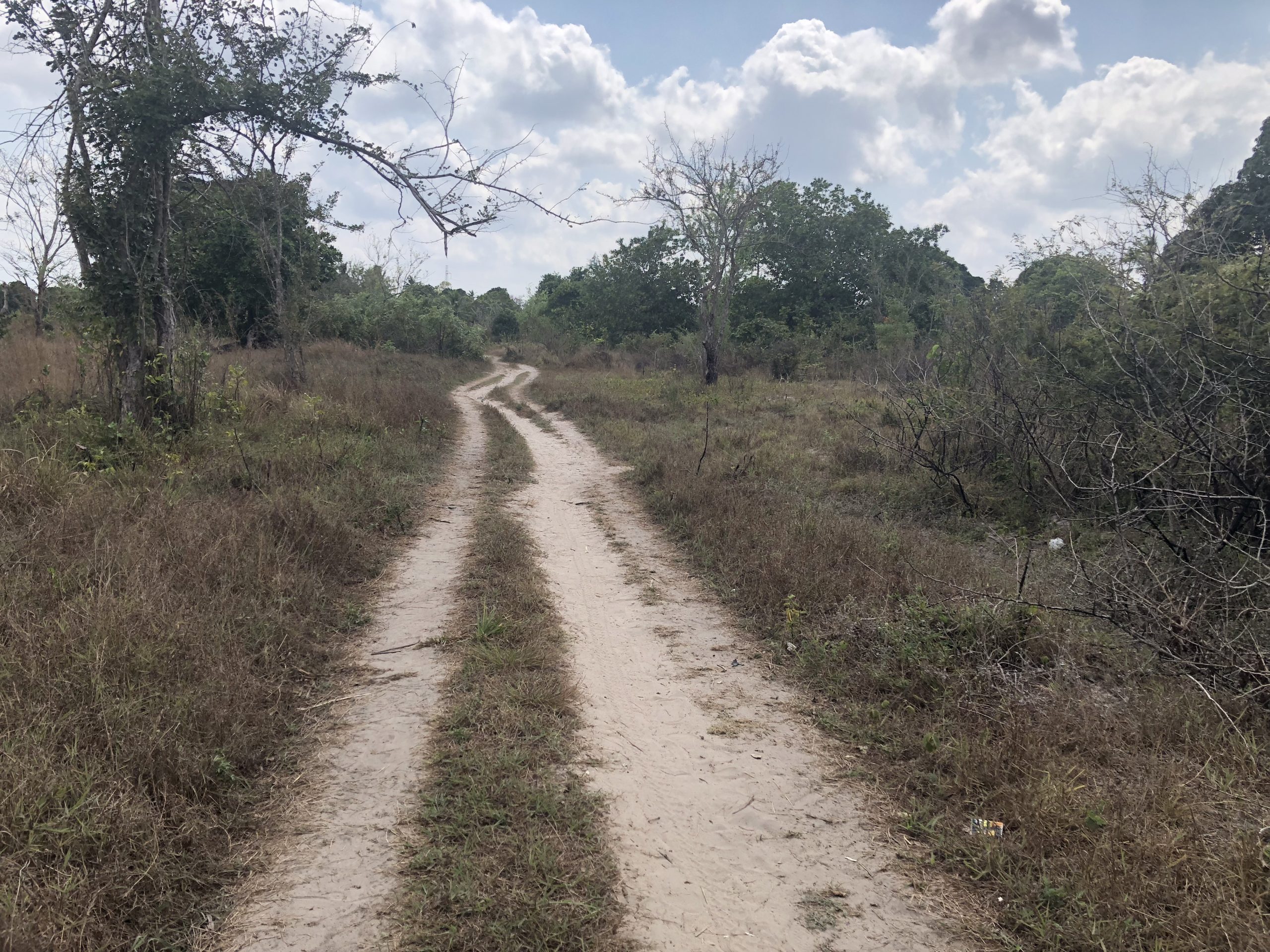
Over the years, we’ve learned that the expectation of being on Safari is very different to the reality of it. We’ve seen people return from their first safari expressing how disappointed they were at the fact that they couldn’t leave the truck.
It’s true, you’ll spend much more time in a car, driving, than you may have expected.
There are opportunities for walking tours and other adventures, but they require the extra expense of organising an armed guard/park ranger – plus, the added risk of being in the savannah on foot. Many guides are not comfortable with that kind of risk.
Also, you should bring clothes that are suited for long drivers, rather than hiking a mountain (a common mistake)!
So – don’t be disappointed, you’ll still get super close to the animals, enjoy the stunning views and have an amazing trip.
No such thing as 5-star in the bush
Often, many people on their first safari are used to travelling around Europe or America, so they have access to a very high standard of hotel, at an affordable price. There are 5-star hotels in the Serengeti, but they offer a separate experience altogether.
It is not unusual to experience power outages, weak internet, variable food quality, low water quality, and general discomfort. Sometimes amenities are less luxurious or consistent than expected.
It is possible (in the lower-end camps and lodges), you’ll not get a decent shower for a few days, feel grimy, dusty and grim. You’re likely to have a poor night’s sleep, feel stiff and sore from the travelling. We suggest packing some comforts, personal care items and remember: there is a shower at the hotel in Aursha!
Let’s be honest – a safari is not a traditional package holiday – it’s an adventure in all senses of the word. You’ll be travelling into to wilderness in a country that is very different from our own, with different customs and ways of doing things. You’ll learn new things about this world and yourself.
When you see the towering slopes of Ol Doinyo Lengai, catch a flash of a Cheetah (Duma in Swahili), and stand toe to toe with an Elephant (Tembo) – all the worries, aches and pains completely melt away.
Embrace it, enjoy it, and soak up the experience regardless of what happens. The best experiences are bitter-sweet.

Safari isn’t as wild as you think
When planning a Safari, many people set their expectations somewhere between King Solomon’s Mines and a David Attenborough documentary. The fact is, many of the national parks are quite well-worn paths.
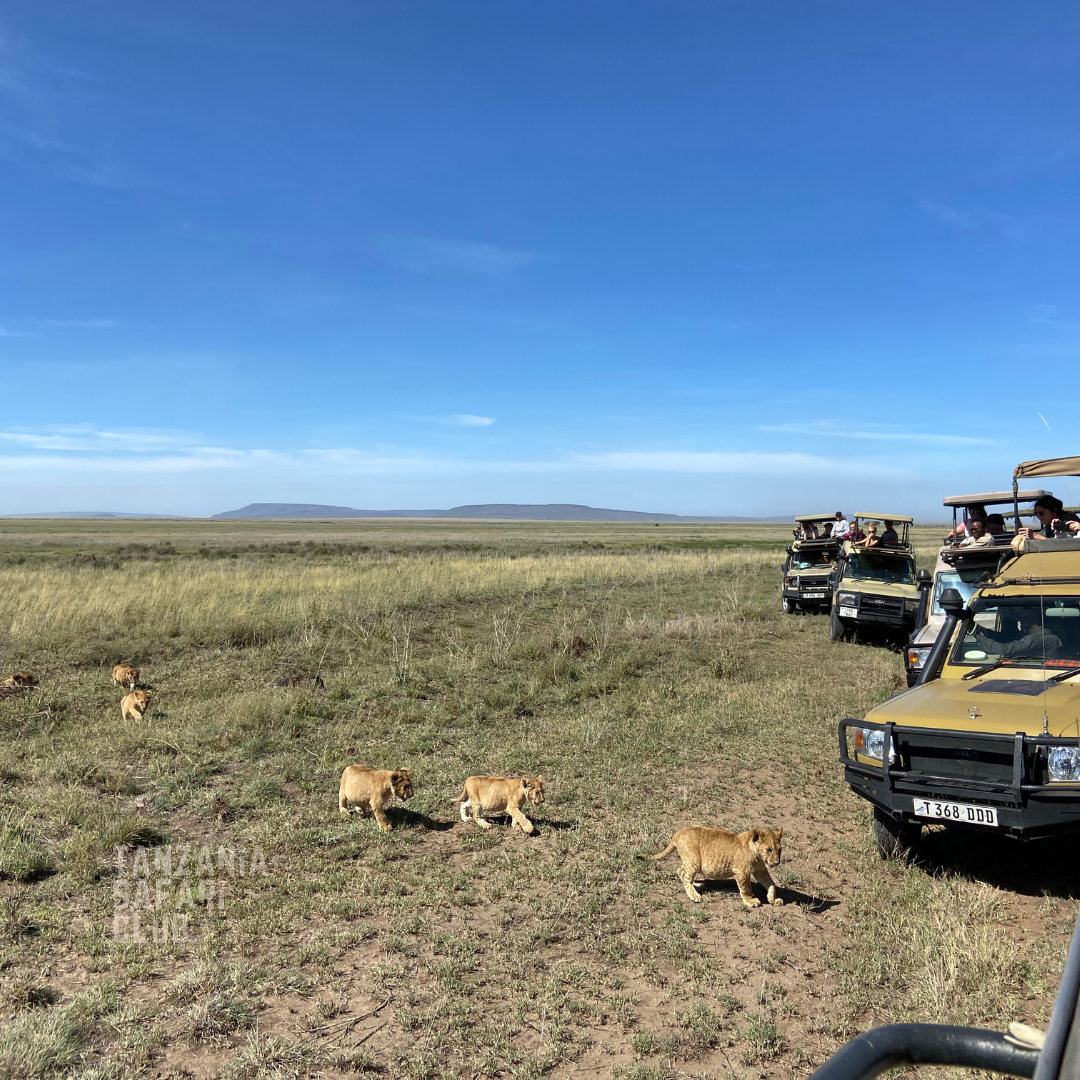
Many complaints describe how busy the roads in the national park can be, and how often their view of the animals is blocked by several cars. This will happen during the peak busy season. Yes, it may break the immersion of adventure, but, it’s worth the other times when you see wilderness as far as the eye can see – or look into the eyes of an Elephant.
Expect it to be busy.
What is our advice?
- Set realistic expectations.
- Do your research – but listen to local advice.
- Pole Pole – take your time and don’t rush.
- Give yourself time and Space.
- Hakuna Matata! Relax, and enjoy it!
Set realistic expectations.
This is what we have tried to achieve with the first section of this article: a little bit to help you understand what you’re signing up for, and so that you can appreciate every bump in the road.
Tanzania is a developing country, and many of its customs, traditions and practices may be different from what you’re used to. Life moves more slowly on warm Tanzanian winds. Respecting and accepting the country as you find it is an integral part of opening your mind to a different way of living. It will be an enriching experience that will lead to both self-reflection, and potentially, self-improvement.
It’s all part of the adventure, but it can be a shock if you’re not ready for it.
Do your research – but listen to local advice.
Research is just a natural part of getting excited and thinking about all the things you wish to do.
We actively encourage research and learning about all things Tanzania. Me – personally – I love the volcanoes and learning about how the volcanic ash from the Gregory Rift makes all the wildlife possible (for example). Some throw themselves into watching documentaries about the Maasai, and others put The Lion King on repeat.
It’s fantastic to read reviews and blogs, watch YouTube videos, TikToks or Instagram reels. All of these things can create an image in your mind, but the best advice comes from those who live and work on the ground; they understand the realities of travel to Tanzania better than anyone.
A good example is the Seregneti is the most famous place to visit, but one of the worst driving experiences. You’d never know that, unless you drove there every week. It’s missing out on our Duma 4 Day Safari, for that reason. With less time, it’s better to go elsewhere.
Our advice: Resist the temptation to control the experience; most guides are proud and wish to show off their country, and will do so without any kind of direction.
Listen to your guide and experts. Be curious, ask questions, but try not to control the experience and let the expert show you the way!
Pole Pole: Take your time to plan and book.
A common saying in Swahili is “pole pole” – it roughly translates to “slowly slowly”.
Often, we hear from travellers who wish to plan, book and travel within a few weeks before departure. It’s possible, but it usually means fewer options, more stress and a greater chance of getting things wrong (loads of unwanted stress).
We often find that travellers are trying to fit their holiday within their time off at work, which has no space for the long flights, days of travelling, and time for recovery.
Give yourself plenty of time to think about what kind of experience you’d like, and work with a team (like ours) to put a plan in place.
Give yourself time and Space.
The number one biggest issue we see for travellers is time, specifically those from the USA who have very short periods available away from work. This is a big issue.
It is very difficult to organise and plan a trip like a safari, within a set few days, attempting to make all things as streamlined as possible; flights, arrival, safari, travel, Zanzibar, flight home, back to work.
Our advice is to give yourself more time off than you’d usually do. It allows you to make this trip a real occasion, space to do everything you want to, and not feel like you’re on a timeline.
Hakuna Matata! Relax, and enjoy it!
Hakuna (there is no) Matata (short for Matatizo, meaning problems) means, guess!?
It means relax, chill out and let the ride take you. Experience everything with an open heart, an open mind, and write the stories you’ll tell forever.
This trip may just change you. The experience will instruct you and guide you for years to come.
It’s ok if things don’t go perfectly, or your experience takes you out of your comfort zone. That is the best way to see Tanzania, and the best way to do your first safari!

 English