

Few cultures in the world are as instantly recognisable as the Maasai of East Africa.
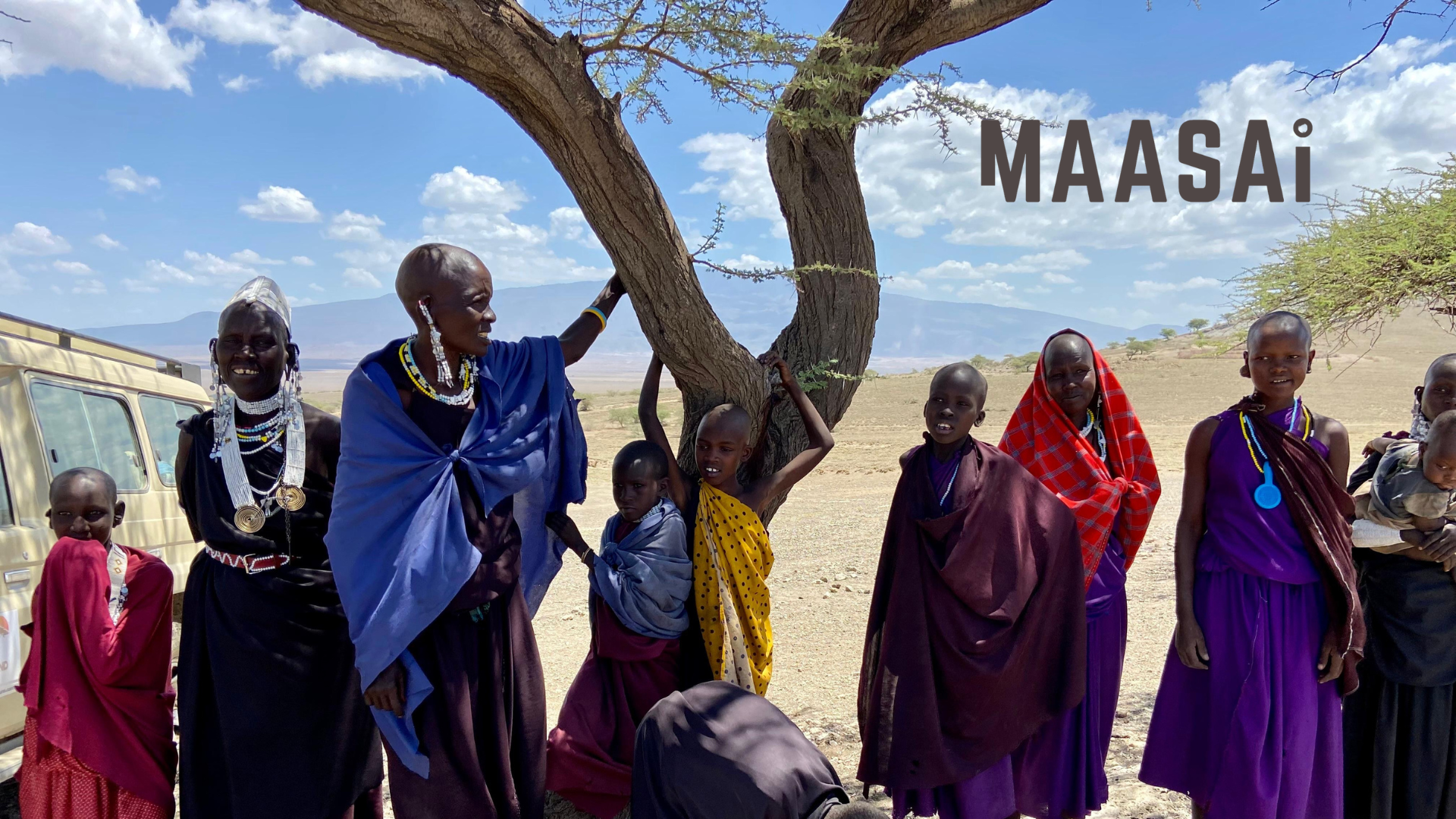
They are easy to spot with their bright red shúkà (robes), intricate beadwork, long spears and warrior traditions. The Maasai have come to symbolise much of what can be called the heart of northern Tanzania and southern Kenya.
Behind what we see on the face, the Maasai have a complex (and sometimes sad) story of resilience, adaptation, and a people fiercely fighting to maintain their traditions while navigating the pressures of modern Tanzania.
Today, we take a deep look into the history and culture of the Maasai, so, before you travel, you can access a deeper understanding of one of the most celebrated indigenous tribes on earth.
What are the Maasai Famous for?
Across the world, the Maasai are one of the most recognised tribes from Africa. But, why!?
The tribe are most famous for a number of reasons: their iconic red clothing (called a shúkà) and intricate jewellery, feats of endurance and extreme bravery (like stealing food from Lions) and their distinctive jumping dance (adamu). The tribe found itself welcomed into popular culture after being featured in BBC nature documentaries.
Online, the Maasai are associated with being unusually tall, which is partly true, and often credited to their high calcium diet (drinking milk from their cattle). In reality, the Maasai come in all shapes and sizes- but are taller on average compared to other people and tribes in Tanzania. Their environment – and generations of adaptation – has helped them become uniquely equipped for travelling long distances over miles of flat land and capable of feats of awe-inspiring endurance.
We believe that the truly interesting things about the tribe lie behind what is most obvious. So, let’s get into more detail about the Maasai and their history.
History.
The Maasai are a Nilotic people, meaning we can trace their origins back to the Nile Valley region in North Africa.
It was in the 15th century that they began a slow migration south, eventually settling within the walls of the Great Rift Valley, first settling in Kenya, and then in Northern Tanzania. Even though there are roughly 120 recognised groups of native people recognised in northern Tanzania, over 50 tribes in Kenya, by the 20th century, the Maasai were the dominant population in both countries.
Historically, the Maasai were semi-nomadic and fiercely protective of their cattle, which were (and remain) the backbone of their economy, social structure, and spiritual life. Cattle raids and warrior culture shaped much of their reputation, and the Maasai were both feared and respected by neighbouring groups, and those who came later from Europe.
The colonial era brought immense disruption to the Maasai in Tanzania. First German, then British, colonial administrations restricted Maasai land access (as the British had done in Kenya years previously), creating reserves that pushed them away from fertile lands. The first agreement was signed in Kenya in 1904, and over the next several years, treaties ensured the loss of two-thirds of their lands.
The displacements continued until the creation of national parks, such as Serengeti in 1951 and Amboseli 1974, also displacing Maasai communities.
Despite these losses, the Maasai adapted and maintain much of their cultural identity into the present day.
In modern Tanzania, the Maasai are still found in their ancestral lands in the Great Rift Valley, but they also find homes across the country. There is estimated to be around 430,000 Maasai in Tanzania as of 2025
Geography and Homeland
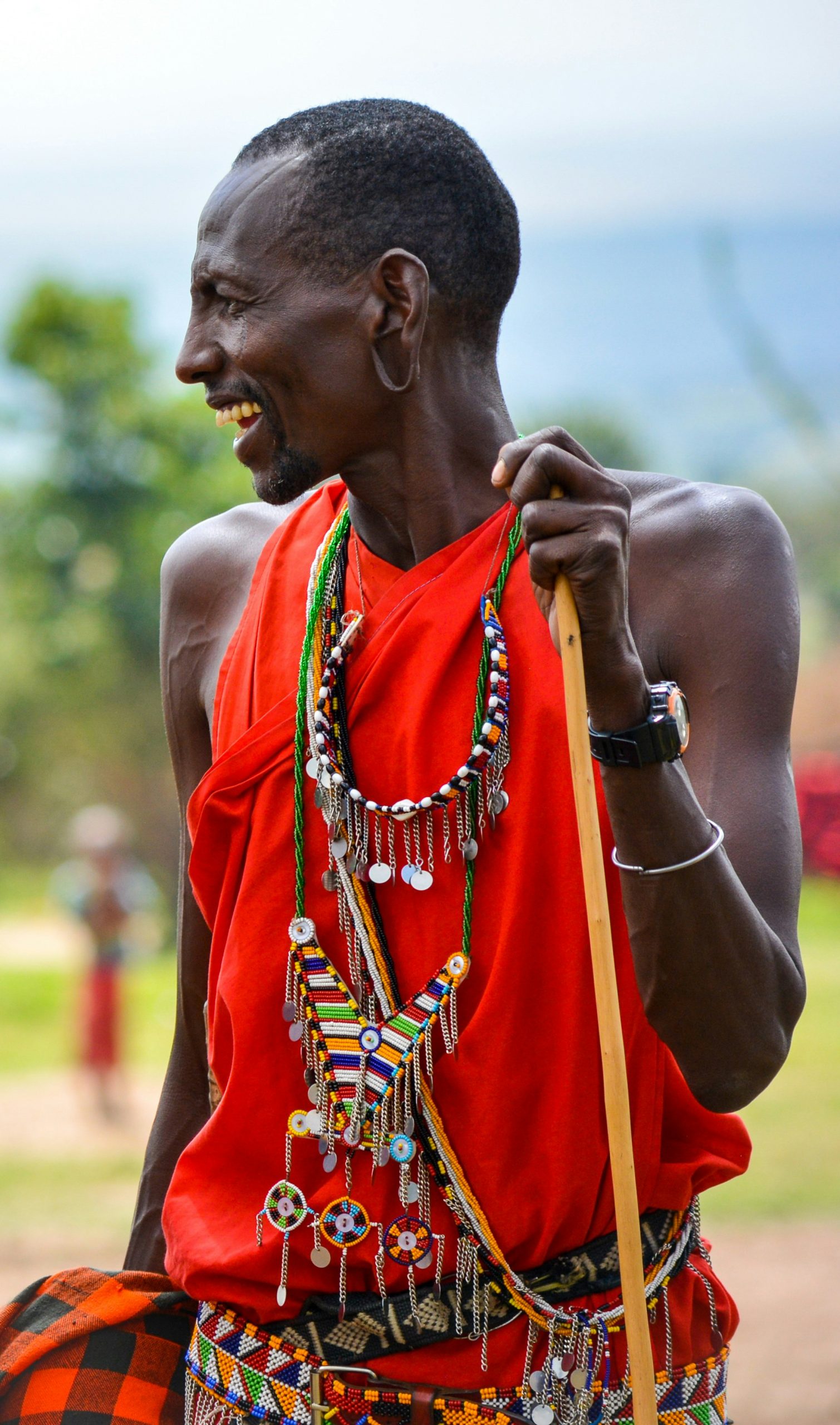
The Maasai homeland lies within the sweeping and dramatic lands of the Great Rift Valley. Maasailand spans across southern Kenya and northern Tanzania, stretching from the Kenyan foothills of Mount Kilimanjaro across to the Serengeti and Maasai Mara.
Living in this region means coexisting with some of the most celebrated – but dangerous – wildlife on earth. The mighty herds of elephants, lions, giraffes, and wildebeest. While the safari destinations that attract millions of visitors each year, many are unaware that the area is home to Maasai villages. This coexistence is not without it’s tensions, as wildlife conservation policies restrict the Maasais’ ability to travel and protect themselves when predators threaten their cattle.
It was once a rite of passage to kill a lion, but those days are long past.
Still, the Maasai connection to the land runs deep. Their pastoralist lifestyle is perfectly adapted to the savannah environment, where mobility and close knowledge of water sources and grazing cycles are essential for survival.
Today, in Tanzania, the Maasai tribe’s heart is located just south of Lake Natron, close to Ol Doinyo Lengai – the mountain of God.
Culture and Traditions
Maasai society is built upon an age-set system.
From birth, individuals move through defined stages of life, each with associated roles and responsibilities. Young Boys begin as herders (you can often see them walking along the roads with their herds, close to the national parks), before transitioning into warriors (morans) during adolescence. Later, they become elders, who are respected decision-makers and community leaders.
The ceremonies that mark each transition involve music, dance, feasting, and ritual practices. Circumcision, for example, is a key rite of passage for boys, while elaborate celebrations accompany weddings and the initiation of new elders.
At the heart of Maasai culture is the centrality of cattle. Owning cattle is a mark of wealth and prestige, and herds are often exchanged during marriages and negotiations.
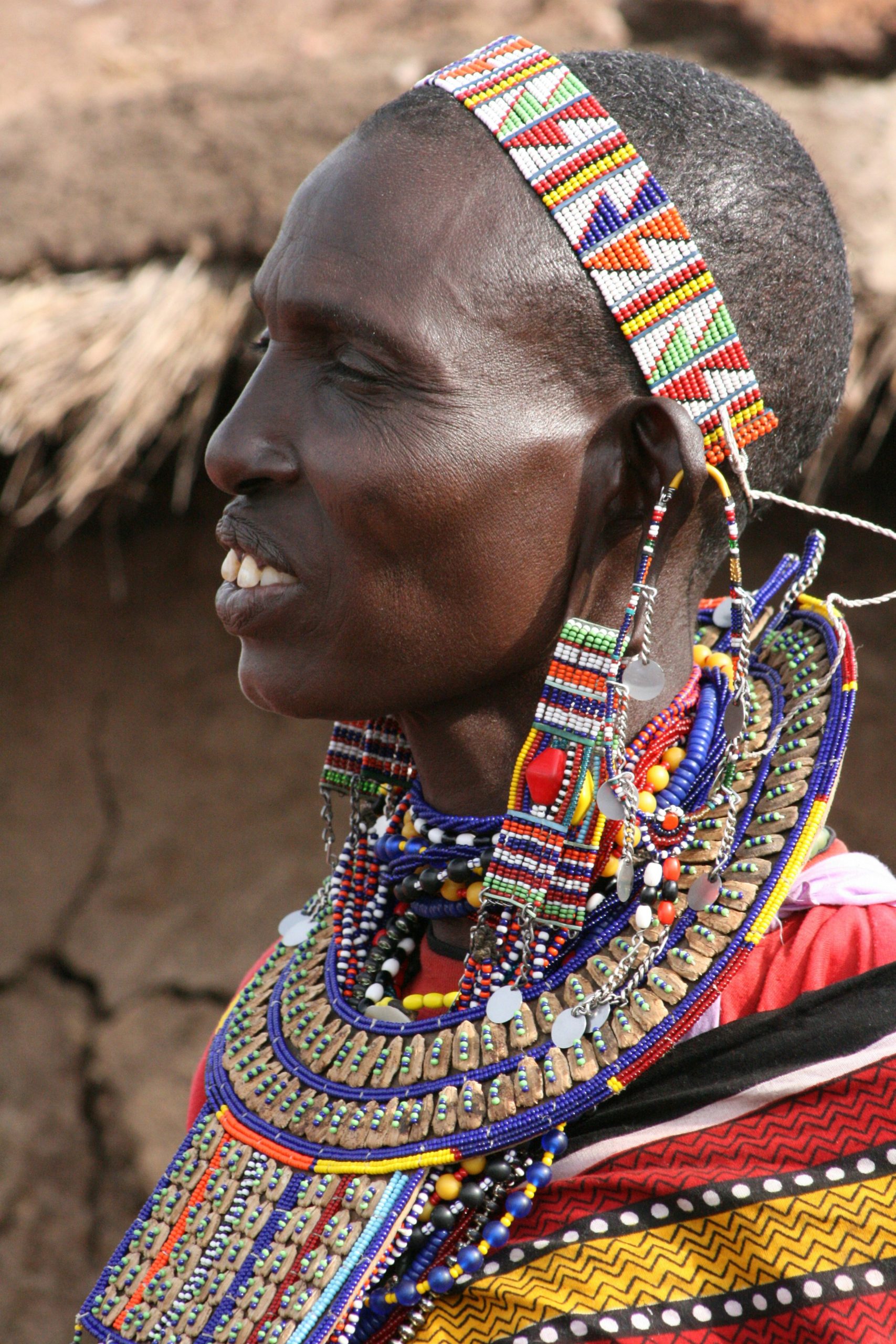
While not decision makers, Women play a key role in Maasai culture, and their responsibilities differ from men’s. They are the primary caretakers of children, manage the household, and are responsible for building the family’s home (enkaji), made from mud, sticks, and cow dung. The Maasai women are also renowned for their beadwork, creating colourful necklaces, earrings, and ornaments that carry cultural meaning and mark life stages; these are available to buy from the Maasai during your Safari too. This is one of the only sources of income available to them.
While traditionally excluded from decision-making, today, more Maasai women are gaining access to education, healthcare, and leadership roles, balancing tradition with emerging opportunities for greater independence.
Language and Communication
Tanzania’s most spoken language is KiSwahili; however, there are said to be 120 tribal languages. Most people speak KiSwahili and their local tribal languages too.
The Maasai speak Maa, a Nilotic language closely related to those of neighbouring groups such as the Samburu (Kenya). Today, many Maasai also speak Swahili, English and other European languages (due to tourism and travel) – but still speak their native language to each other – protecting it in the process.
Oral tradition plays a vital role in communication. Elders pass down knowledge, history, and morality through storytelling, songs, and proverbs. These oral narratives serve as both entertainment and a form of education, ensuring the continuity of Maasai identity.
Beliefs and Spirituality
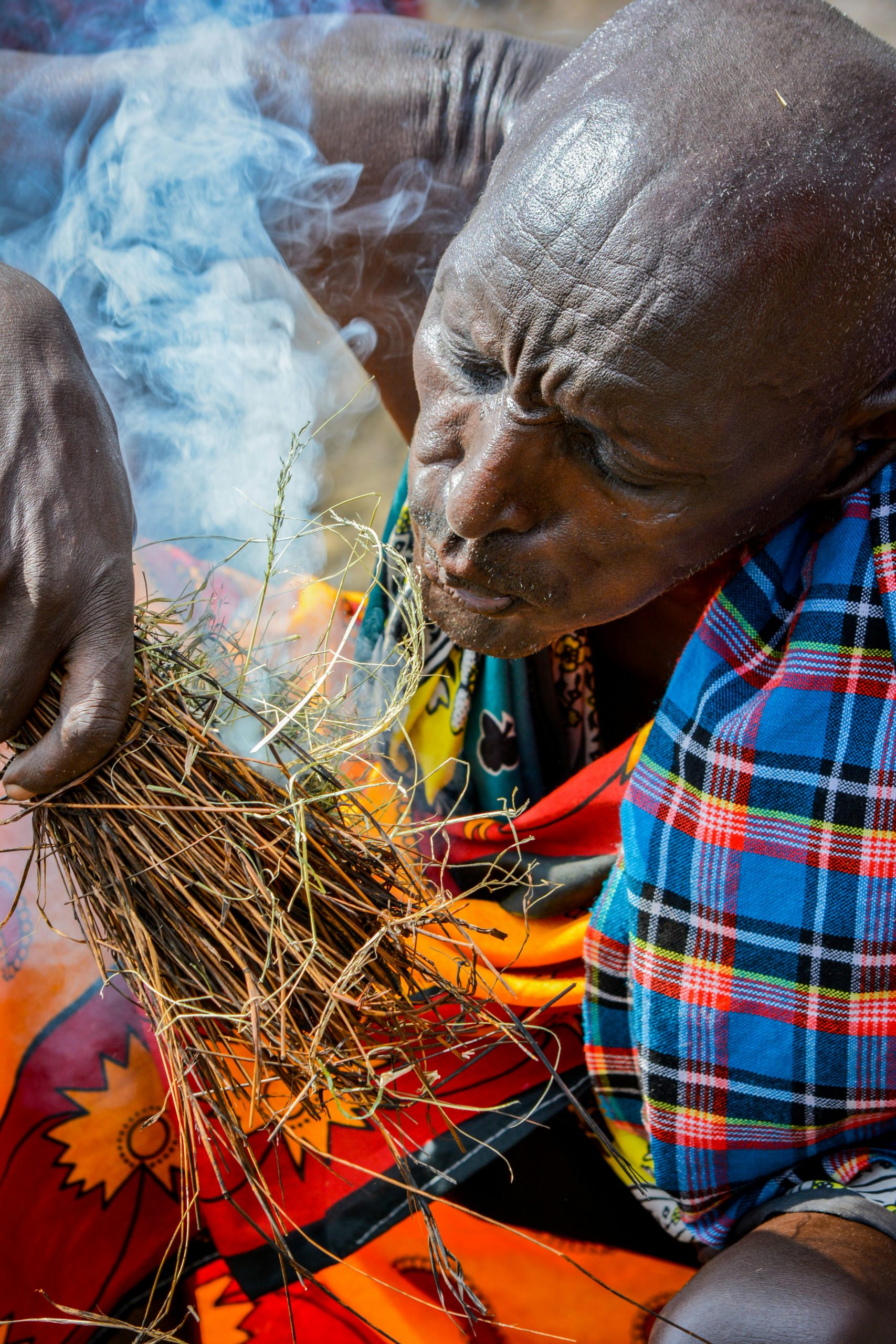
The Maasai are traditionally deeply spiritual; they have a monotheistic belief system that is centred around Enkai (or Engai), a supreme God who manifests in dual identities: Enkai Narok (the Black God, associated with rain and benevolence) and Enkai Nanyokie (the Red God, associated with drought and hardship).
The Maasai also hold reverence for their “Mountain of God”, Ol Doinyo Lengai. The mountain is an active volcano, and is said to offer guidance and provide the Laiboni (they act as shamans, healers, teachers and diviners). It’s said that you can hear the mountain speak, and it’s true. On a quiet morning, you can hear the mountain creeking and bubbling with volcanic activity.
The mountain is often a site for rituals and sacrifices that often involve cattle, asking for rain, good omens and the like.
Today, however, many Maasai have converted to both Christianity and Islam, which is a reflection of their interactions with modern Tanzanian society.

Maasai Dress and Identity
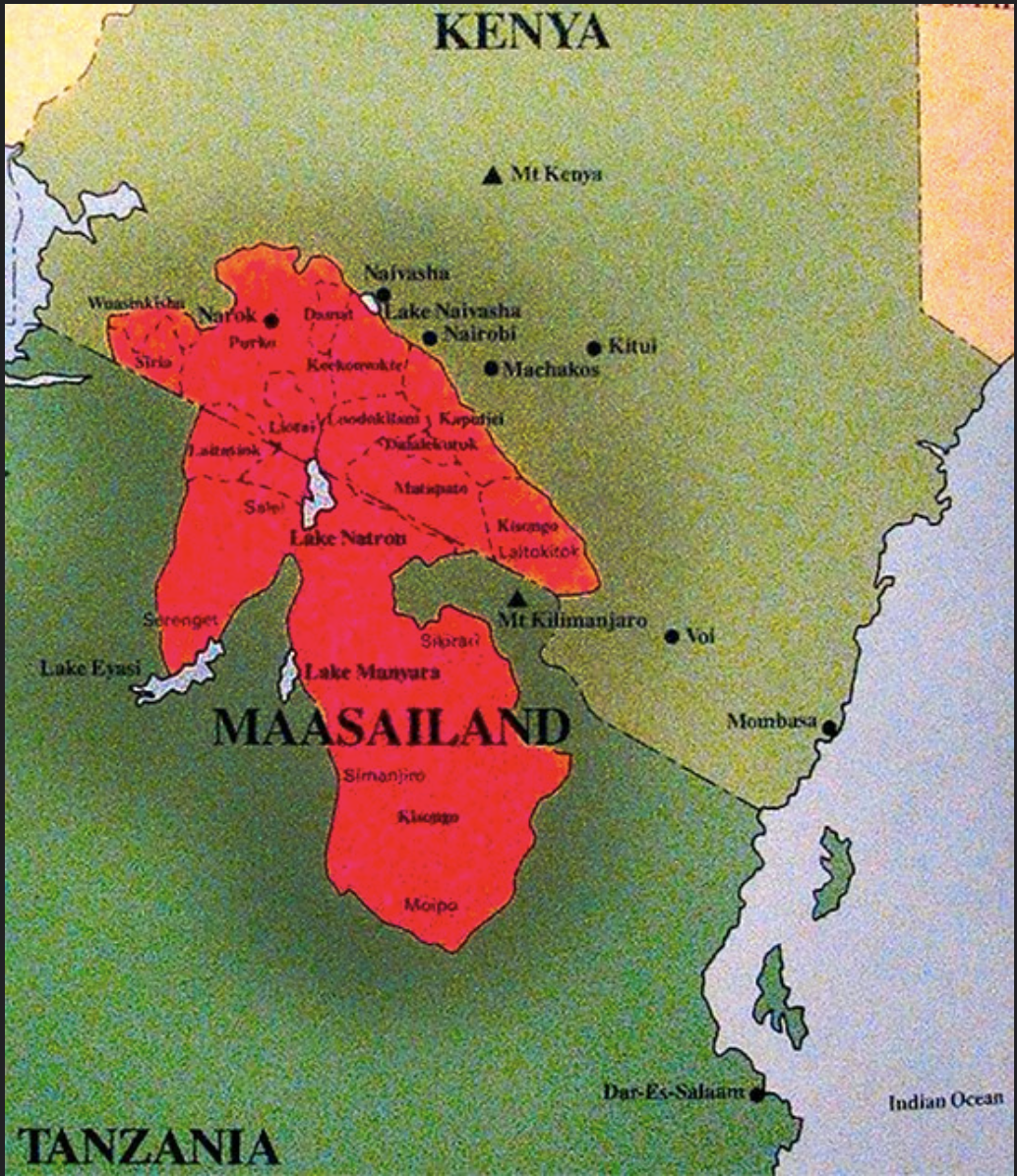
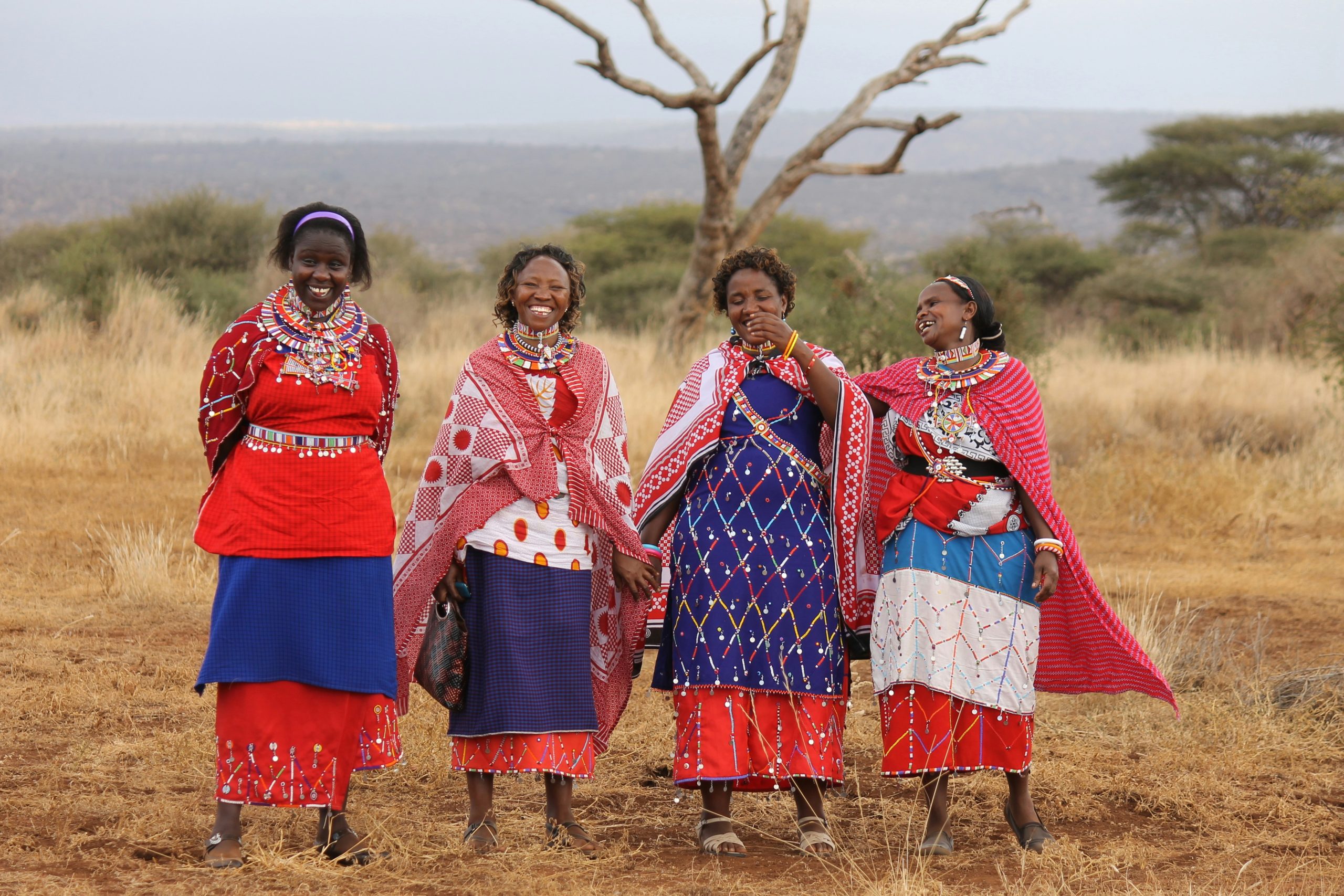
The iconic red shúkà has become synonymous with Maasai identity. Traditionally made from animal hides, the fabric has evolved to brightly colored cloth, often checkered or striped, with red believed to symbolise bravery and protection. Today, they are made using synthetic materials or modern fibres.
Beadwork is another cornerstone of Maasai dress. Maasai Women craft intricate jewellery with colours carrying symbolic meanings. White is for purity, blue for energy, green for land, and red for bravery (which explains the red warrior dress). Necklaces, earrings, and headdresses are not just decorative but mark social status, age, and marital status.
The Maasai are famous for their music and dance, particularly the adumu — the “jumping dance” performed by warriors. In this ritual, young men leap into the air in rhythmic competition, showcasing strength and stamina. Songs and chants are often call-and-response, accompanied by rhythmic clapping. They serve spiritual, ceremonial, and social purposes, from blessing cattle to celebrating marriages.
Artistic expression is most visible in beadwork, where patterns and colours carry cultural narratives and personal meaning.
Maasai and Modern Life
Today, the Maasai stand at a crossroads between tradition and modernity. Education, urbanisation, and tourism have reshaped aspects of Maasai life. Many young Maasai pursue schooling and professional careers in Dar Es Salaam, while others remain committed to pastoralist traditions.
Maasai may look traditional on the surface, but, they now enjoy the benefits of mobile phones, motorbikes, and modern clothing. The cultural elements of the Maasai tribe are still strong, but it has not required them to shun modern technology or culture.
Preservation and the Future
Efforts are underway to preserve Maasai traditions while enjoying the benefits of modernity. Community-driven schools teach both modern subjects and Maasai culture, NGOs and Maasai leaders advocate for land rights and environmental conservation, and women’s cooperatives create beadwork for tourists and global markets, providing income while preserving art and culture.
The future of the Maasai will likely be one of balance: retaining their vibrant identity while adapting toour a rapidly changing modern world.
The end.
The Maasai remain one of the world’s most iconic and resilient tribes. Their history is marked by migration, struggle, and adaptation. Their culture – vibrant, spiritual, and deeply tied to cattle and land – continues to inspire global fascination.
Now you’ve learned a lot about the Maasai, it’s time to meet them. Speak to us today, and let us help you bring home memories of the Maasai.
 English